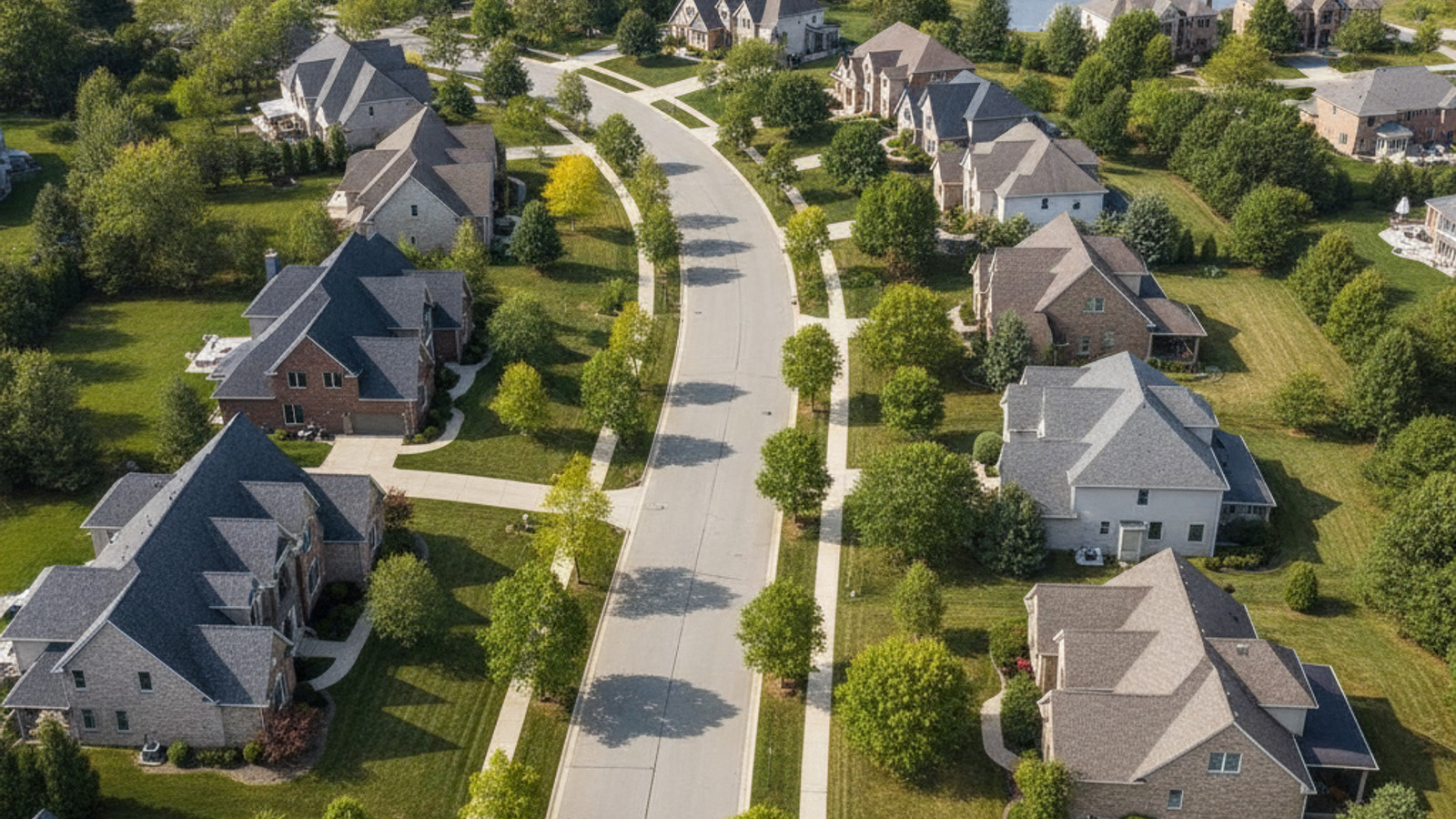
Buyers researching Oakland County suburbs frequently ask if Rochester Hills is the right fit for their next move. Located just north of Detroit, this area blends extensive green spaces with a highly active housing market. It offers a distinct suburban environment characterized by large subdivisions and immediate access to major commercial hubs.
Deciding whether to buy a home here requires looking past the surface appeal of tree-lined streets. You have to weigh the daily commute realities, local property tax structures, and the exact costs of living in Rochester Hills. Understanding these practical details makes the difference between a frustrating home search and a successful real estate investment.
The Rochester Hills Real Estate Market and Cost of Living
Navigating the local housing market requires a clear understanding of current price points and available property styles. As of 2026, median home prices hover around $450,000, making this a highly competitive sector of Oakland County. Buyers should expect multiple offers on well-maintained properties, especially during the spring and summer months.
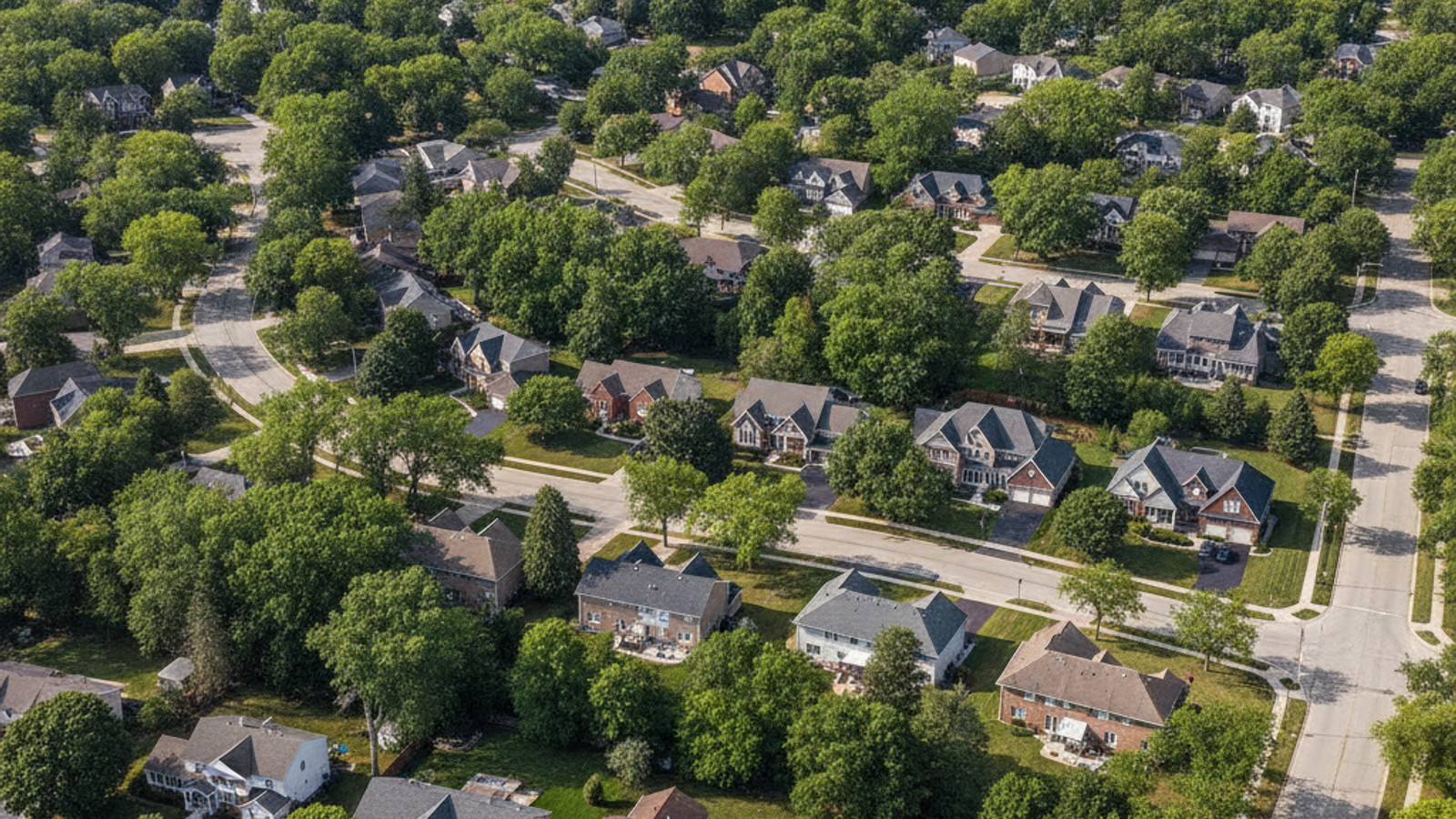
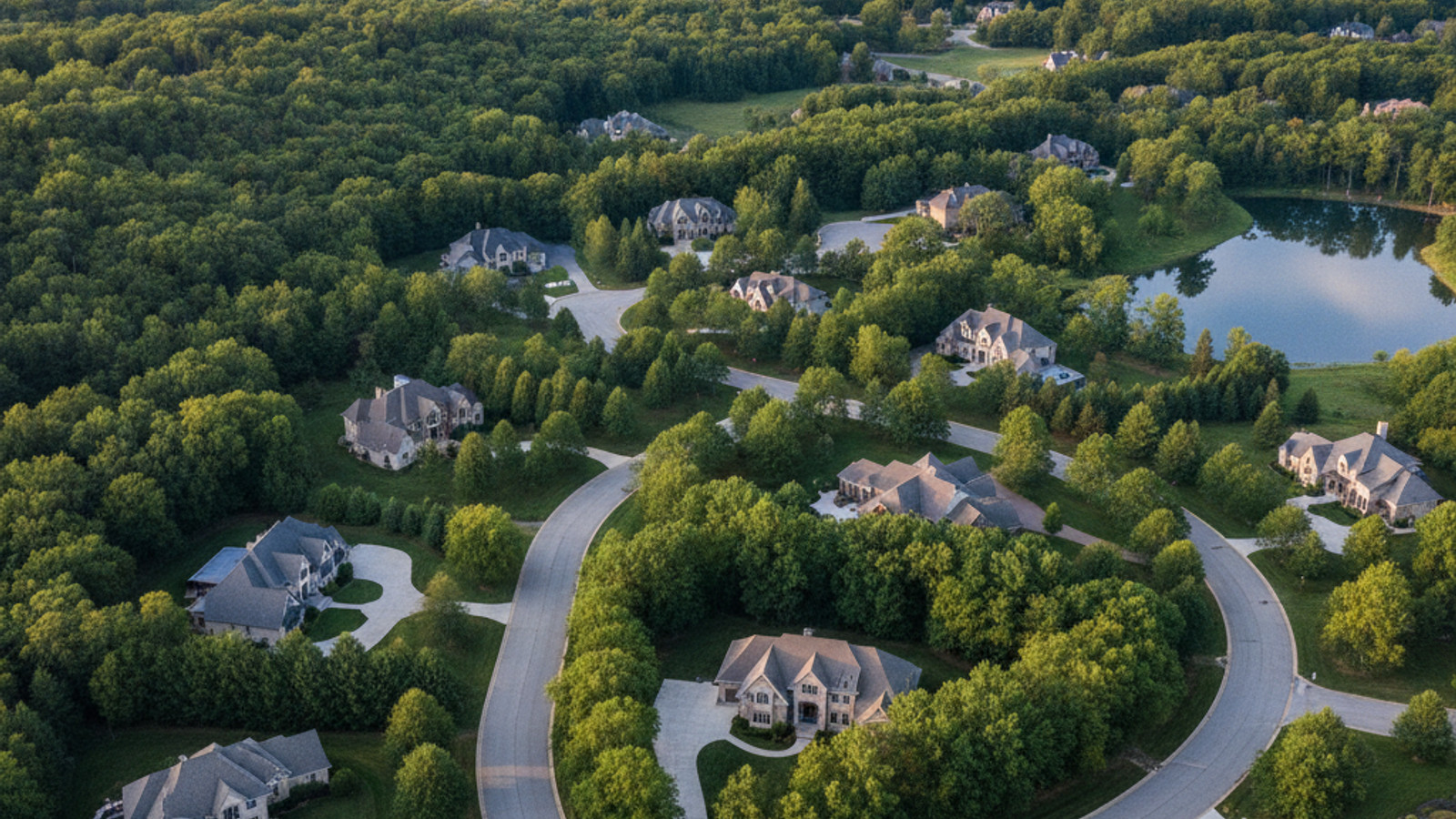
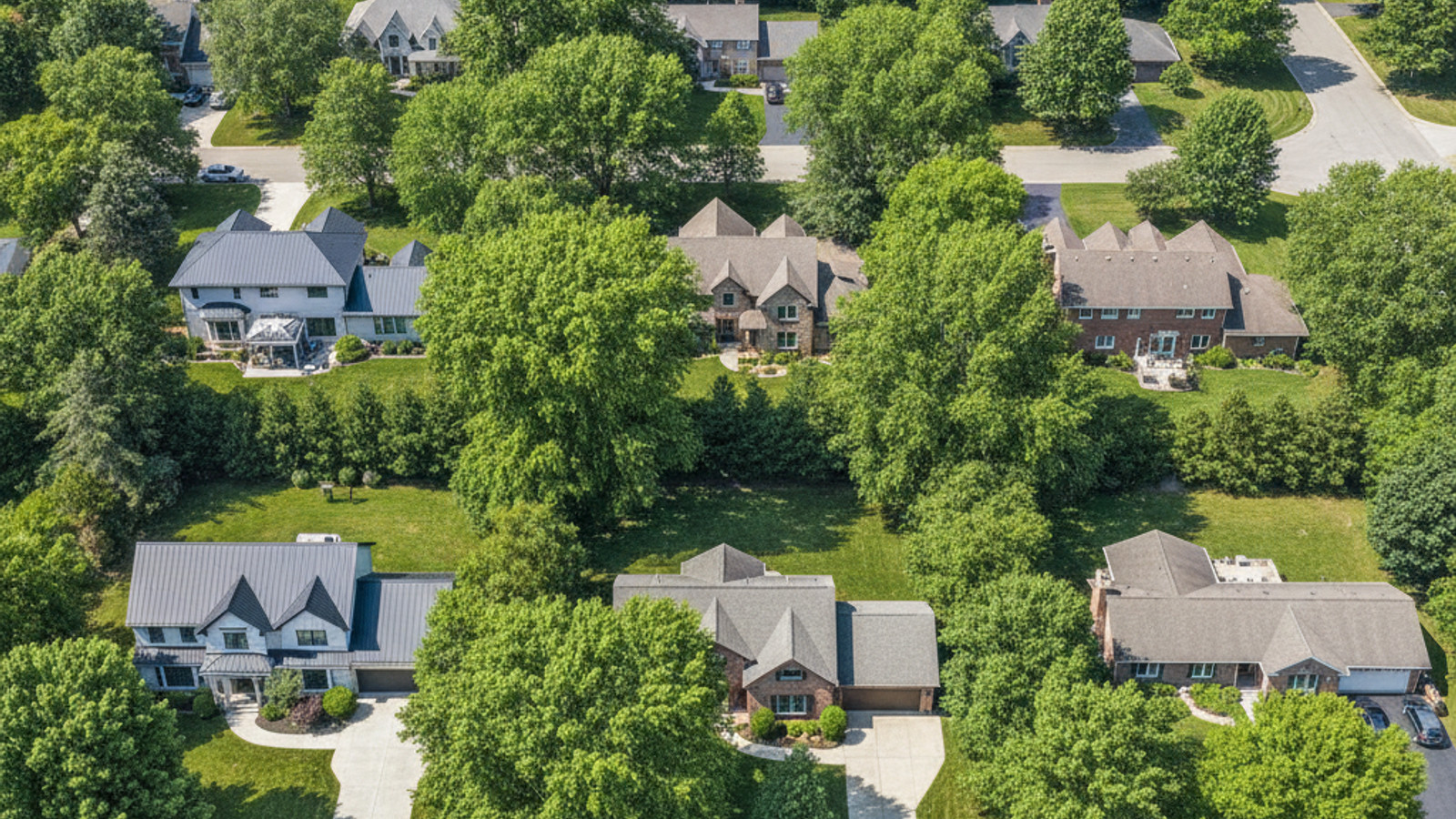
Housing options vary significantly depending on which side of the city you explore. The inventory ranges from dense condo complexes and townhomes to sprawling single-family properties situated on larger lots. This variety means you can find a property that matches your specific square footage needs, provided your budget aligns with the local premium.
The overall cost of living generally exceeds the state average, largely driven by housing demand and local amenities. Buyers relocating from other parts of Michigan often notice this premium immediately. However, the strong local infrastructure and municipal services help justify the higher entry price for many purchasers.
Property Taxes and Homeowner Fees
Factoring in carrying costs is essential when looking at homes for sale in Rochester Hills. Effective property tax rates range between 1.20% and 1.55%, varying slightly depending on your specific zip code and school district boundaries. Property taxes in Michigan are calculated using a taxable value formula and local millage rates, which can reset upon the sale of a home.
Beyond taxes, many subdivisions require an annual HOA fee. These dues typically fund the maintenance of shared green space, private community amenities, and snow removal for common roads. It is crucial to request the HOA bylaws and review the financial health of the association before submitting an offer.
Commute Times and Connectivity to Job Markets
Transportation logistics play a massive role in any relocation decision. Rochester Hills is heavily car-dependent, meaning residents rely primarily on personal vehicles for daily errands and work travel. While public transit options exist via the SMART bus system, the local infrastructure is optimized for driving.
For those working in the city, the commute to downtown Detroit covers approximately 30 miles. This drive typically takes 35 to 45 minutes via I-75 outside of peak rush hour. During morning and evening peak times, localized congestion is common, so planning for extra travel time is a daily necessity.
The city truly shines when it comes to regional connectivity within Oakland County. Immediate access to Troy is just a 15-minute commute, and Auburn Hills is easily accessible via M-59. This centralized location provides exceptional proximity to major automotive, engineering, and tech employers.
Local Amenities, Healthcare, and Shopping
Daily convenience is a major factor driving the real estate demand in this area. The Village of Rochester Hills operates as the primary outdoor shopping center for the community. This open-air complex provides a dense concentration of national retail brands, boutique shops, and diverse dining options.
Proximity to adjacent downtown Rochester adds another layer of accessibility. Residents can easily access independent dining options, art galleries, and a highly walkable business district just minutes from their driveways. Having this commercial density nearby reduces the need to travel far for entertainment or specialty services.
Healthcare infrastructure is equally robust and easily accessible within the city limits. Residents have immediate access to comprehensive medical services at Ascension Providence Rochester Hospital. Having a major medical center so close provides significant convenience and adds tangible value to the local real estate market.
Outdoor Recreation and Extensive Trail Systems
The integration of nature into the municipal layout is one of the most defining characteristics of the area. The local infrastructure strongly supports outdoor activities, weaving green space directly through residential zones. Buyers often prioritize properties that offer quick access to these community features.
The city maintains a vast network of parks and non-motorized pathways that serve the entire region. Whether you prefer paved walking routes or rugged nature hikes, the options are extensive. Here are a few notable highlights of the local recreation scene:
- The Clinton River Trail and Paint Creek Trail provide miles of easily accessible, well-maintained paths for walking and biking.
- Bloomer Park offers extensive natural trails, varied topography, and a state-recognized velodrome for cycling enthusiasts.
- Spencer Park features year-round access, including a beach for swimming in the summer and ice skating facilities in the winter.
Rochester Community Schools and Higher Education
Educational infrastructure is a primary consideration for many buyers moving into Oakland County. Rochester Community Schools serves over 14,000 students across the region. The district consistently ranks within the top 5% of public school districts in Michigan, making it a major driver of local housing demand.
The public school system maintains an approximate 94% graduation rate. Students have access to robust extracurricular activities and advanced placement programs that prepare them for higher education. This strong institutional performance helps stabilize home values even during broader market fluctuations.
Higher education is also deeply integrated into the local community. Oakland University is situated immediately adjacent to the city, granting easy local access to undergraduate and graduate programs. The university acts as a major local employer and contributes significantly to the regional economy.
Frequently Asked Questions
What is the average commute from Rochester Hills to Detroit?
The drive to downtown Detroit covers about 30 miles along the I-75 corridor. Outside of peak rush hour traffic, you can expect the trip to take roughly 35 to 45 minutes. Commuters should always budget extra time during the morning and evening rush.
How are the property taxes structured in Rochester Hills?
Homeowners in the area generally see an effective property tax rate between 1.20% and 1.55%. This rate is applied to the taxable value of the property, which is calculated using local millage rates. Keep in mind that property taxes can adjust upward following the purchase of a home.
Where can buyers find objective crime statistics for Rochester Hills?
The Oakland County Sheriff’s Office provides comprehensive and objective local police data. Buyers can request specific incident reports or view public safety logs directly through the municipal website. Reviewing these official statistics is the best way to understand local safety metrics.
Which is better for commuting, Rochester Hills or Troy?
Troy generally offers a slightly faster commute to Detroit due to its location further south along I-75. Rochester Hills provides a more relaxed suburban environment while still maintaining a quick 15-minute drive into Troy. The right choice depends heavily on where your specific office is located.