If you are looking to buy a home in Metro Detroit and you have the budget for a premium suburb, the conversation almost always lands on two heavy hitters: Troy and Rochester Hills.
Both of these cities are consistently ranked among the best places to live in the United States. They share a border, excellent schools, and high property values. Yet, for neighbors, they feel worlds apart in daily life.
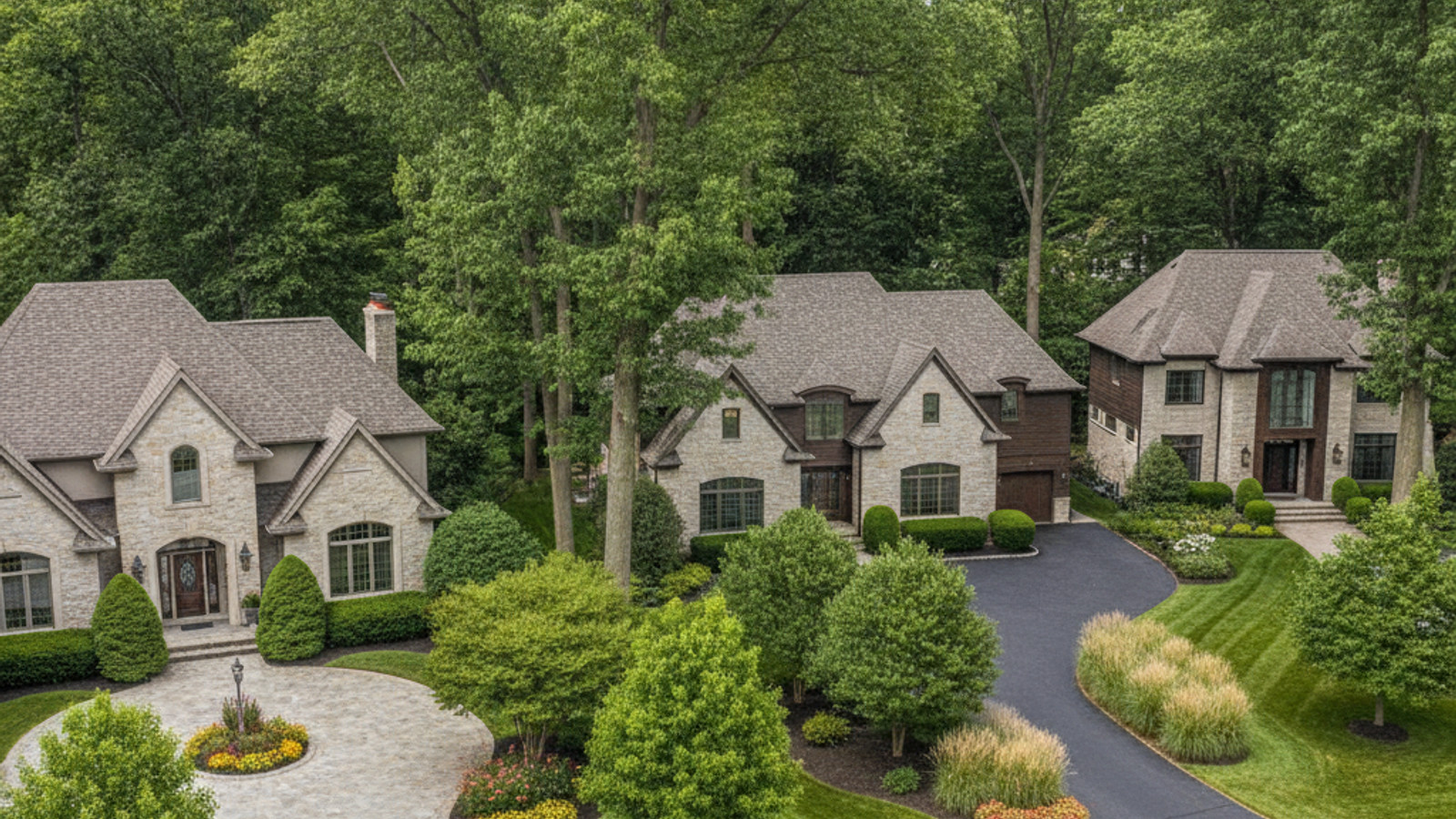
The core distinction usually comes down to what you value more: convenience or lifestyle. Troy acts as the commercial hub of the county—it is dense, diverse, and incredibly convenient for commuters. Rochester Hills, on the other hand, is a “residential retreat.” It is defined by rolling hills, larger lots, and a connection to nature.
With Troy’s population sitting around 87,000 and Rochester Hills at roughly 76,000, both offer plenty of amenities. But choosing the right one depends on digging into the data. Let’s break down the vibe, the costs, and the commute to help you decide.
Lifestyle & Vibe: Cosmopolitan vs. Nature-Oriented
When you drive from Troy into Rochester Hills, the atmosphere shifts noticeably.
Troy feels cosmopolitan and fast-paced. It is home to the “Golden Corridor” along Big Beaver Road, which features high-rise office centers and the Somerset Collection—a luxury mall that attracts shoppers from all over the Midwest. Because of this commercial density, Troy has a vibrant energy. It is also known for immense cultural diversity, boasting some of the best international dining options in the state, particularly for Asian and Indian cuisine.
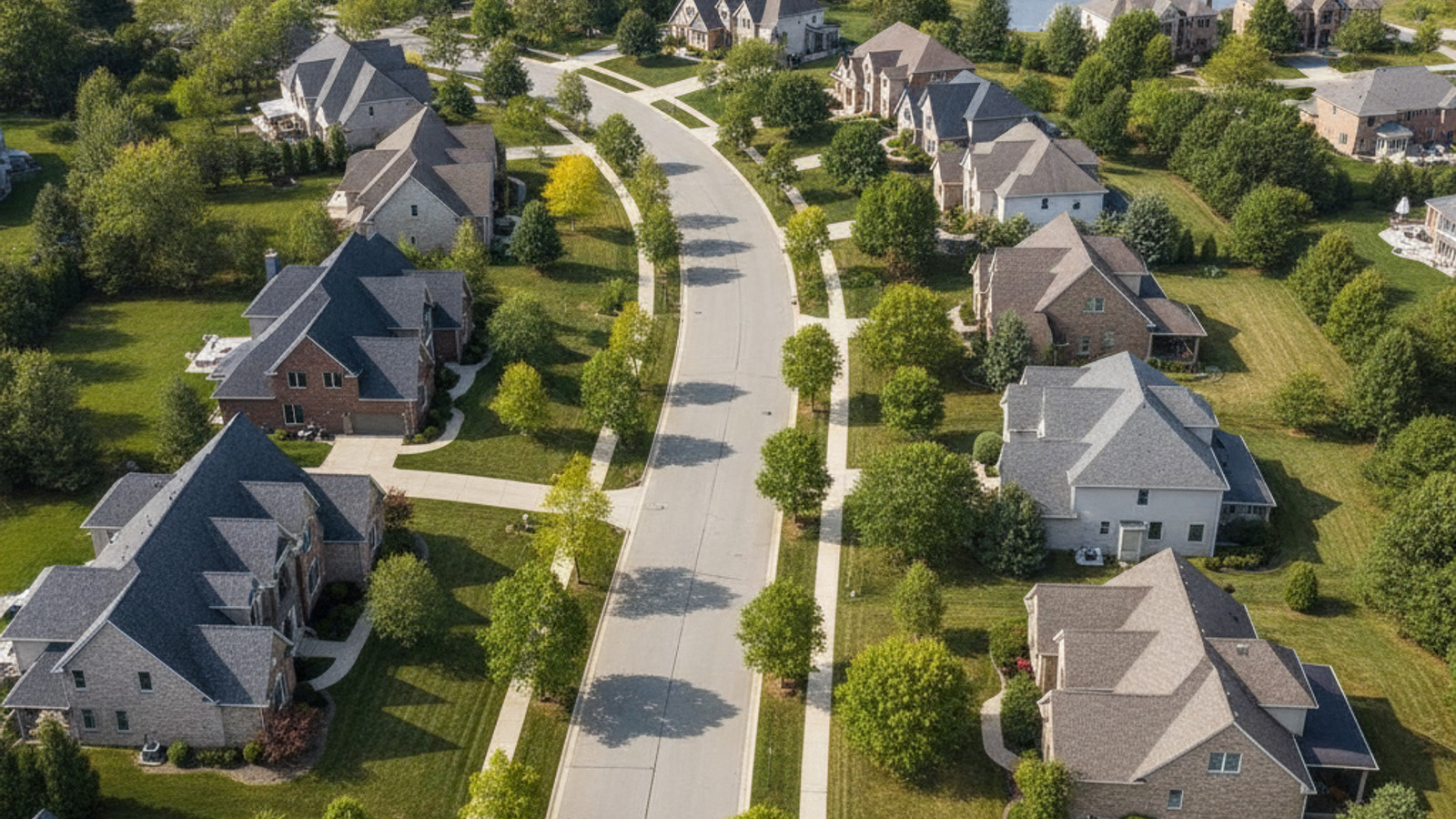
Rochester Hills offers a slower, more scenic pace. As the name suggests, the topography includes rolling hills and winding roads that you just don’t find in the flatter grid of Troy. The social hub here is the “Village of Rochester Hills,” an outdoor lifestyle center with shops and fountains that feels like a town square.
It is important to note that while Rochester Hills residents love their quiet streets, they rely heavily on the neighboring Downtown Rochester for nightlife and parades. Rochester Hills surrounds the City of Rochester, so residents get the benefit of a historic, walkable downtown just a few minutes away, something Troy lacks.
Cost of Living & Housing Market Comparison (2026 Data)
While both cities are affluent, your money buys something very different in each zip code. Generally speaking, Rochester Hills commands a higher price tag for entry.
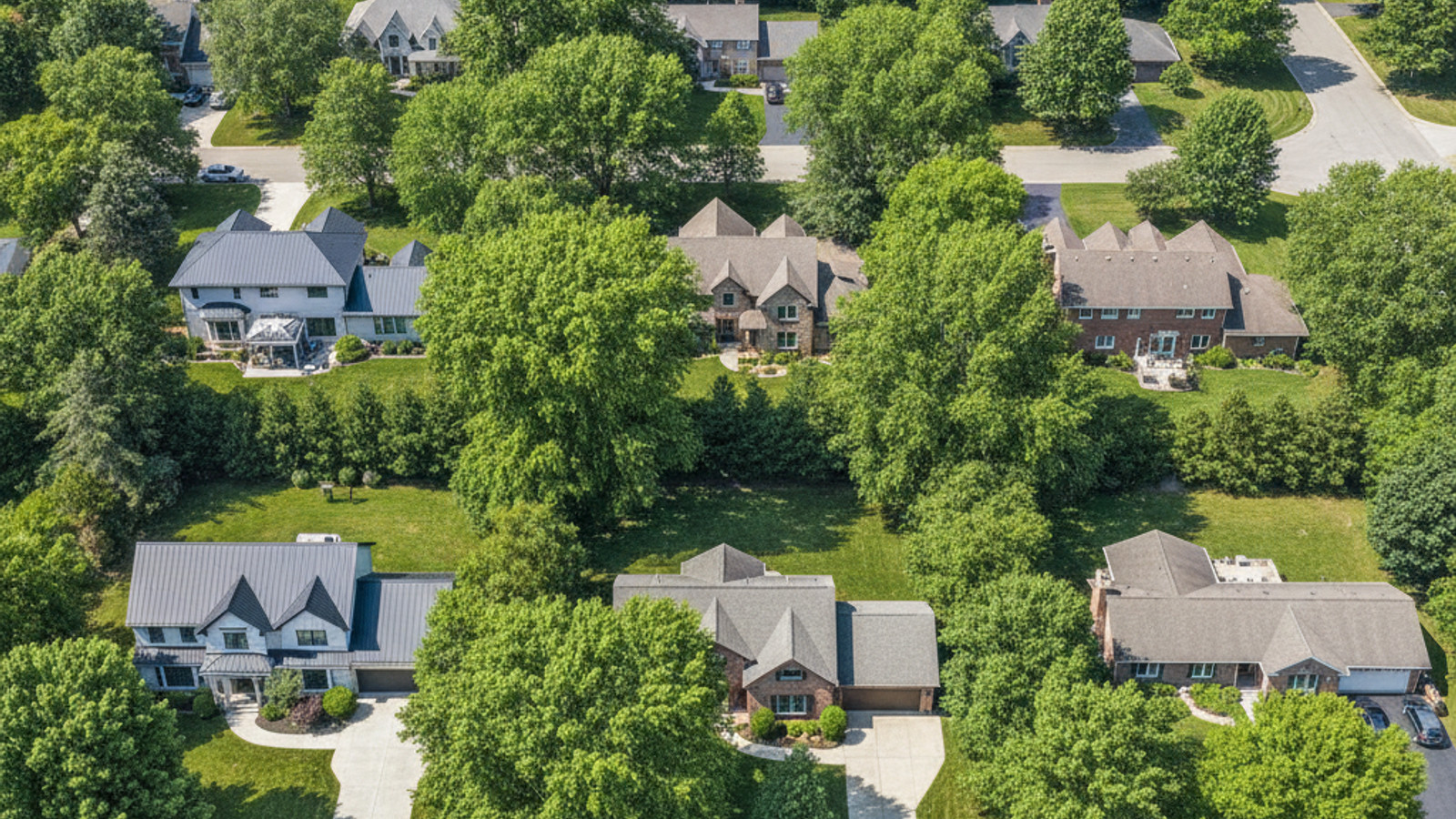
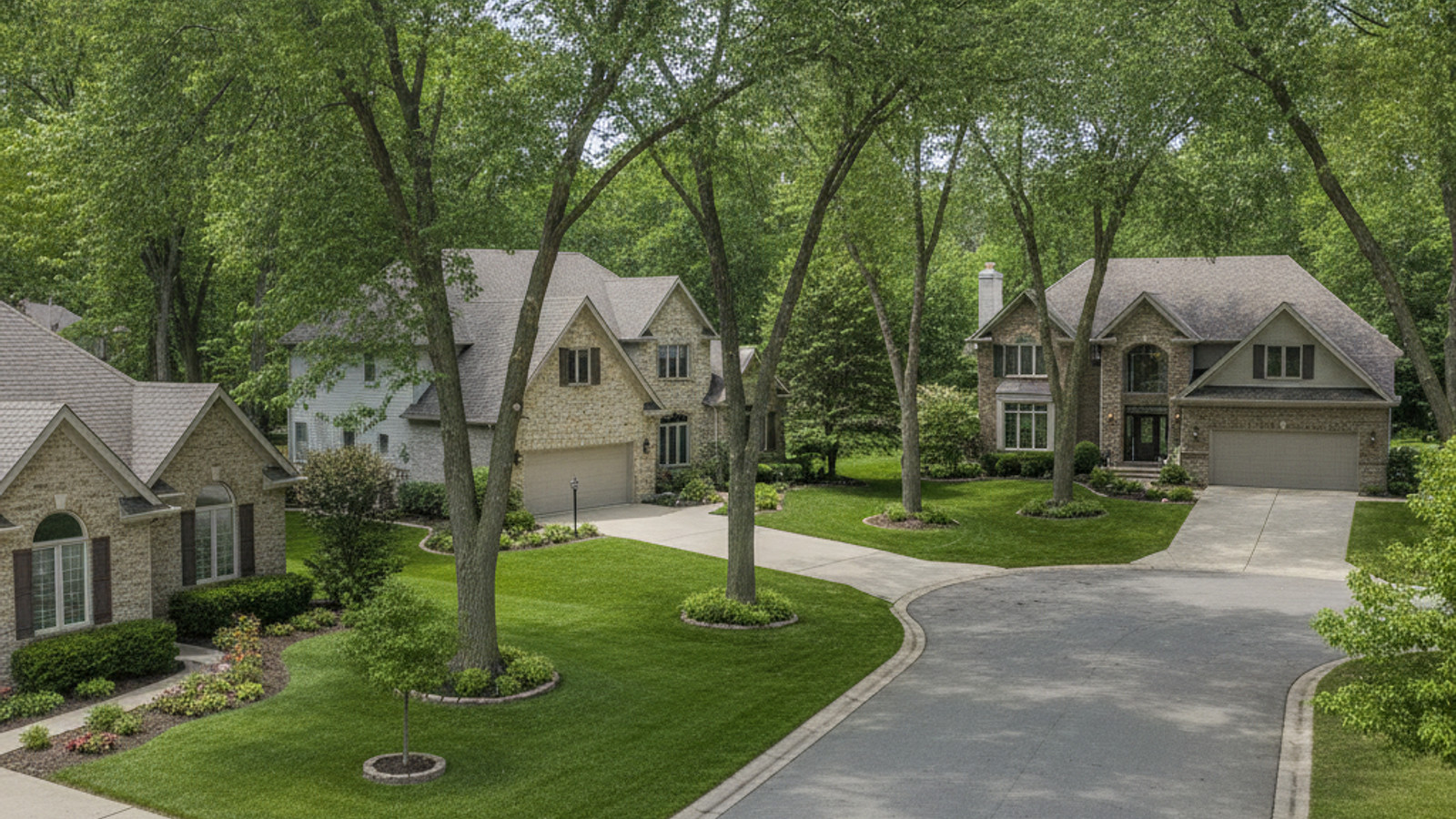
The median home price in Rochester Hills hovers around $425,000. The housing stock here leans heavily toward owner-occupied single-family homes. You will find more subdivisions with “acreage” feel, wider spacing between neighbors, and extensive landscaping.
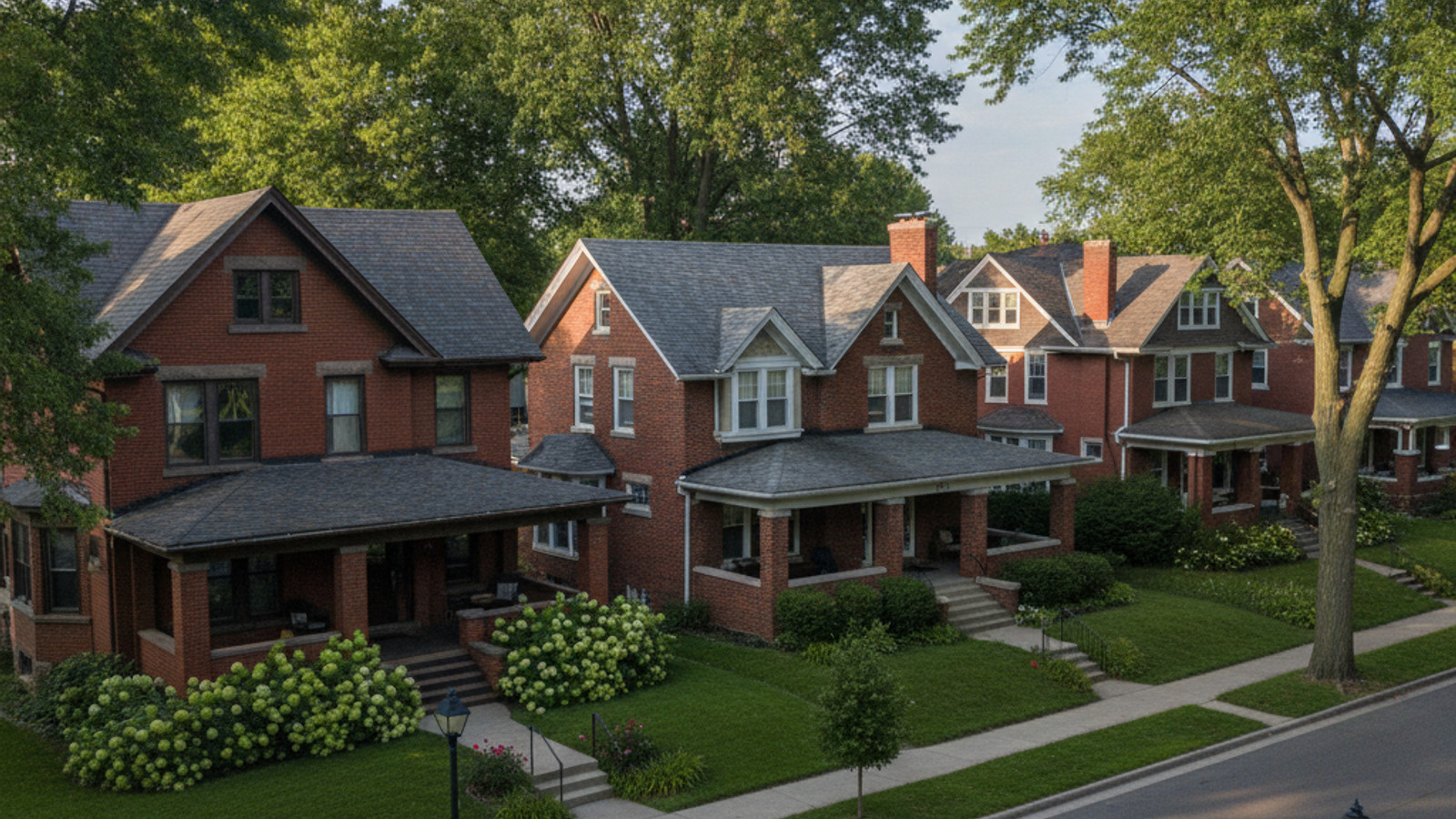
In contrast, the median home price in Troy is closer to $375,000. Troy is denser, with standard suburban subdivisions where homes are closer together. However, Troy offers a much wider variety of housing types. If you are looking for a rental while you get to know the area, Troy has significantly more apartment and condo options, whereas rentals in Rochester Hills can be scarce and expensive.
For renters, a standard 2-bedroom unit in Troy averages about $1,600, while a similar unit in Rochester Hills often pushes past $1,800.
Property Tax Showdown: Which City is Cheaper?
Here is the financial twist that often surprises buyers: Troy is cheaper on taxes.
Even though home values are rising in both areas, Troy has a massive commercial tax base. The revenue generated by the Somerset Collection, the office towers on Big Beaver, and the hotels along I-75 allows the city to keep residential taxes lower.
- Troy Millage Rate: Approximately 44.6 mills
- Rochester Hills Millage Rate: Approximately 47.8 mills
What does that look like in real dollars? If you buy a home with a taxable value of $200,000 (roughly a $400,000 market value home), you would pay about $600 to $700 less per year in property taxes living in Troy compared to a similarly priced home in Rochester Hills. Over the course of a 30-year mortgage, that savings adds up significantly.
Schools: Troy School District vs. Rochester Community Schools
For many households, the search starts and ends with the school district ratings. The good news is that you cannot make a “bad” choice here—both are academic powerhouses.
Troy School District (TSD) is frequently ranked in the Top 3 districts in Michigan. Troy High School is nationally famous for its academic rigor and college prep intensity. If you prioritize a highly competitive environment with extensive AP offerings and a track record of Ivy League admissions, Troy is often the draw.
Rochester Community Schools (RCS) is also elite, consistently landing in the Top 15 in the state. Many parents view RCS as slightly more “holistic” or balanced compared to the high-pressure cooker environment sometimes associated with Troy.
A Critical Note on Boundaries: Real estate borders do not always match school borders.
- Some residents in Troy may fall into the Avondale or Warren Consolidated districts.
- Some residents in Rochester Hills are zoned for Avondale Schools rather than Rochester Community Schools.
Always verify the specific address before writing an offer.
Commute & Location: The I-75 Factor
If you work in Detroit, Royal Oak, or at the automotive headquarters in Auburn Hills, your commute will look very different depending on which city you choose.
Troy is the undisputed winner for logistics. It is bisected by I-75, meaning most residents are only 5 to 10 minutes from a freeway on-ramp. The average commute from Troy is roughly 22 minutes. If you need to get downtown for a game or work, it is a straight shot.
Rochester Hills is physically “further out.” Because it sits north of Troy, commuters often have to drive 10 to 15 minutes on surface streets (like Rochester Road or Adams Road) just to reach the highway. This adds time and stress to the daily drive, pushing the average commute to around 27 minutes.
However, there is a trade-off. Troy’s convenience comes with congestion. Big Beaver Road can face gridlock during rush hour and holiday shopping seasons. Rochester Hills generally has quieter local traffic, once you are away from the main M-59 thoroughfare.
Safety and Crime Rates
When it comes to safety, both cities are exceptional. Rochester Hills is frequently named the #1 safest city in Michigan and ranks in the top 5 safest cities in the U.S. for its size.
Troy is also incredibly safe, safer than 85% of U.S. cities. You might see statistics showing slightly higher property crime numbers in Troy, but context is key: these numbers are almost entirely driven by retail theft at the Somerset Collection and big-box stores. In the residential neighborhoods, the safety profile is nearly identical to Rochester Hills. For peace of mind, know that Troy is also incredibly safe when compared to national averages.
Frequently Asked Questions
Is Troy MI more expensive than Rochester Hills?
Generally, no. Home purchase prices are typically higher in Rochester Hills (median ~$425,000) compared to Troy (median ~$375,000). However, Troy is more affordable regarding ongoing property taxes.
Which school district is better, Troy or Rochester?
Both are A+ rated districts. Troy School District often ranks slightly higher academically and is known for intense college prep. Rochester Community Schools is also elite but is often described as having a more balanced atmosphere.
Does Rochester Hills have a downtown?
No, Rochester Hills does not have a traditional downtown. However, it shares a border with the City of Rochester, so residents use Downtown Rochester for dining, parades, and the holiday light show. Rochester Hills has “The Village,” which is an outdoor shopping center.
How much are property taxes in Troy vs Rochester Hills?
Troy usually has a lower tax rate (approx. 44.6 mills) compared to Rochester Hills (approx. 47.8 mills). This is largely because Troy’s heavy commercial base subsidizes the residential tax burden.
The Verdict: Which City Fits You?
Deciding between Troy vs Rochester Hills usually isn’t about “good vs bad”—it’s about matching the city to your lifestyle.
You should choose Troy if: You want to minimize your commute to Detroit and value efficiency. You prefer a lower tax bill and want access to a diverse food scene and world-class shopping right in your backyard. You are looking for homes for sale in a district with maximum academic rigor.
You should choose Rochester Hills if: You are willing to drive a little longer to get a larger lot and more green space. You prefer a quiet, nature-oriented vibe with access to trails like the Paint Creek Trail. You want the charm of being near a historic downtown without living in the middle of the noise.