If you drive past the massive Stellantis headquarters or spend a Saturday shopping at Great Lakes Crossing, it’s easy to think of Auburn Hills as a modern invention—a city built purely for commerce and commuters. But if you look a little closer, you’ll find that the roots of this community go much deeper than the glass skyscrapers along I-75.
While Auburn Hills is famous today as a global technology hub, its history stretches back to 1821. It’s a unique case in Oakland County real estate: a place that wasn’t officially a “city” until 1983, yet holds some of the region’s oldest stories. Understanding the transition from the quiet “Pontiac Township” and the village of “Auburn Heights” to the powerhouse city we see today explains a lot about the local layout, the low taxes, and the diverse housing options available to buyers.
Early Settlement: The Aaron Webster Era (1820s-1880s)
To really understand the layout of the downtown area, we have to rewind to 1821. That’s when Aaron Webster became the first settler in the area, setting up a life near the Clinton River. He named the settlement “Auburn” after his hometown in New York.
The community grew naturally around the intersection of what is now Auburn and Squirrel roads. Webster established a sawmill and a grist mill, utilizing the river for power, which naturally attracted other settlers and tradesmen. However, the name “Auburn” didn’t stick—at least not officially.
By 1880, the town needed to re-establish a post office, but there was a problem: another town near Bay City had already claimed the name “Auburn, Michigan.” To avoid confusion, the village was renamed “Amy.” While the name Amy has largely faded from conversation, you can still see the area’s roots at the Aaron Webster Cemetery, a landmark that survives to this day.
The Village of Auburn Heights & The Estate Era (1900s-1970s)
As the automotive industry began to boom in nearby Detroit and Pontiac, this area transformed from a mill town into a residential destination. In 1919, the village officially changed its name again, this time from Amy to Auburn Heights.
During this era, the intersection known as “Five Points” (where Walton, Squirrel, and Pontiac roads meet) became the heartbeat of the community. But the most significant change during the early 20th century was the arrival of wealthy Detroit industrialists looking for country escapes.
This period gave us the “Estate Era,” which significantly shaped the large lots and green spaces we appreciate today:
- The John Dodge Estate: Purchased in 1908, this massive property eventually became Meadow Brook Hall and the foundation for Oakland University. The university’s presence continues to influence local housing demand and rental markets.
- The Wesson Seyburn Estate: Known as “Winburndale,” this property was purchased by the township in 1976. Today, we know it as the beautiful Auburn Hills Civic Center park.
1983: The Birth of the City of Auburn Hills
It might surprise new residents to learn that for over a century, this area was governed as “Pontiac Township.” The shift to becoming the “City of Auburn Hills” wasn’t just about branding; it was a move for survival.
In the 1970s, the neighboring City of Pontiac annexed the land where the Silverdome stood. This made the township leadership nervous. If they remained a township, they risked having more prime land annexed by surrounding cities. To protect their borders and tax base, the Township and the Village of Auburn Heights decided to merge.
In 1983, they officially incorporated as the City of Auburn Hills. Interestingly, the name didn’t come from a historic map. It was actually popularized by Oakland Community College (OCC) back in 1964 to describe the hilly terrain of their campus. The name stuck, and a new city was born.
The Sports & Entertainment Era (1988-2017)
Once the city was incorporated, it didn’t take long for it to hit the national stage. For nearly thirty years, Auburn Hills was synonymous with professional sports and major concerts.
The era kicked off with the opening of The Palace of Auburn Hills in 1988. It was the home of the Detroit Pistons, witnessing the “Bad Boys” era and the 2004 championship run. While the Silverdome was technically located just across the border in Pontiac, it sat on the edge of town and heavily defined the traffic patterns and commerce of Auburn Hills for decades.
In 1998, the city solidified its status as a destination with the opening of Great Lakes Crossing Outlets, transforming the area into a regional retail hub. Although The Palace was demolished in 2020 to make way for a mixed-use technology and business park, that era put Auburn Hills on the map and proved the city could handle major infrastructure projects.
Economic Shift: Becoming a Global Auto Hub
What truly distinguishes Auburn Hills from typical suburbs is its commercial zoning strategy. Beginning with the approval of the Oakland Technology Park in 1985, the city aggressively courted high-tech and automotive industries.
The crown jewel of this effort was the arrival of Chrysler (now Stellantis). The construction of their massive World Headquarters and Technology Center brought thousands of jobs and a distinct architectural landmark to the area.
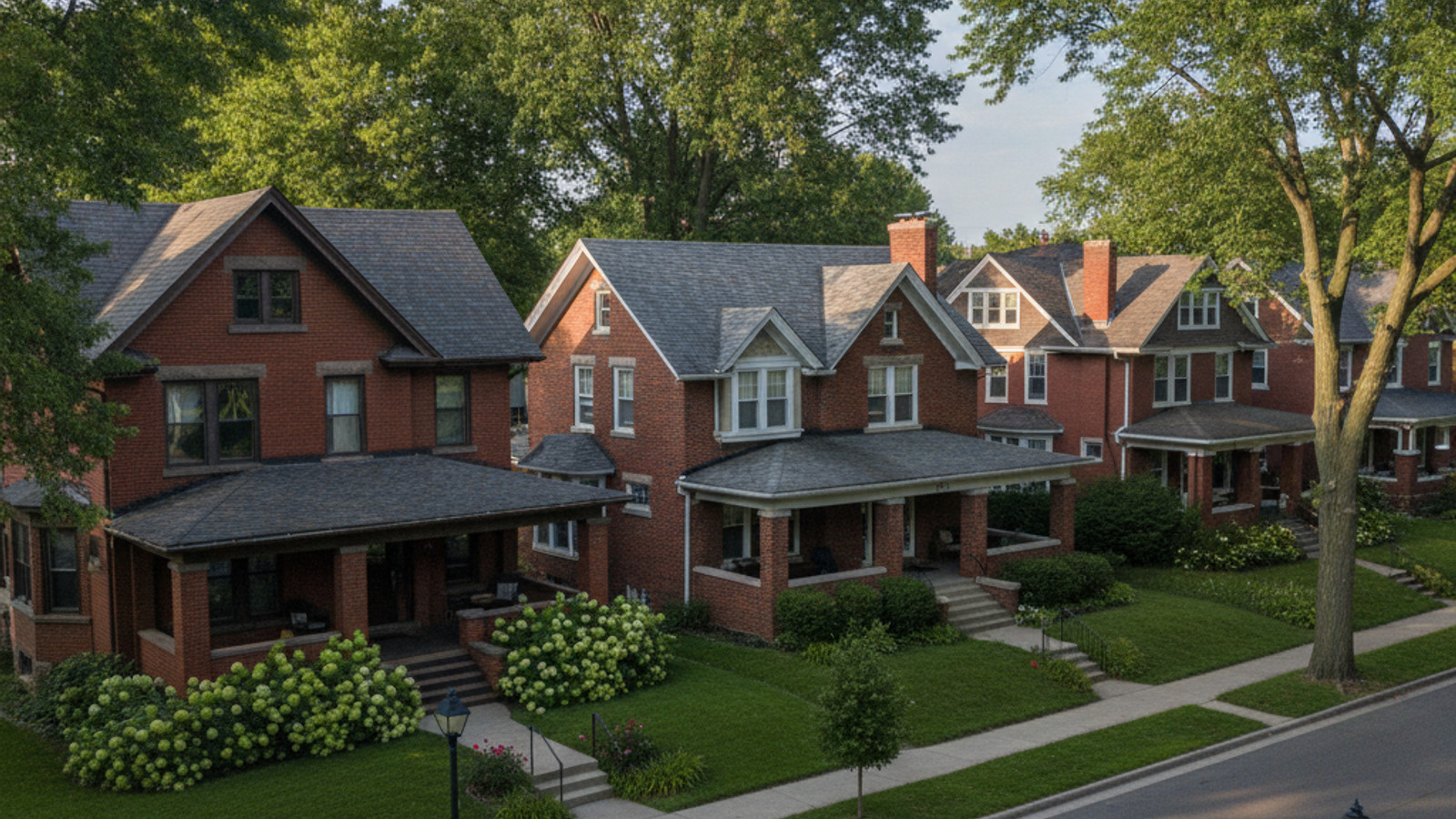
However, the city was careful not to let industry bulldoze history. A great example of this is the “West Downtown” fix in 2012. The city rezoned specific areas to ensure that historic homes near the downtown district weren’t swallowed up by industrial parks. This move preserved the quaint, residential feel of the old village streets while allowing the tech parks to flourish nearby.
Connecting History to Modern Real Estate
So, how does all this history impact you as a homebuyer today? The city’s unique timeline creates a few distinct advantages for residents:
- Tax Benefits: Because the city successfully attracted giants like Stellantis, the corporate tax base is substantial. This helps fund excellent city services (police, fire, parks) while keeping residential taxes competitive compared to neighbors with less industry.
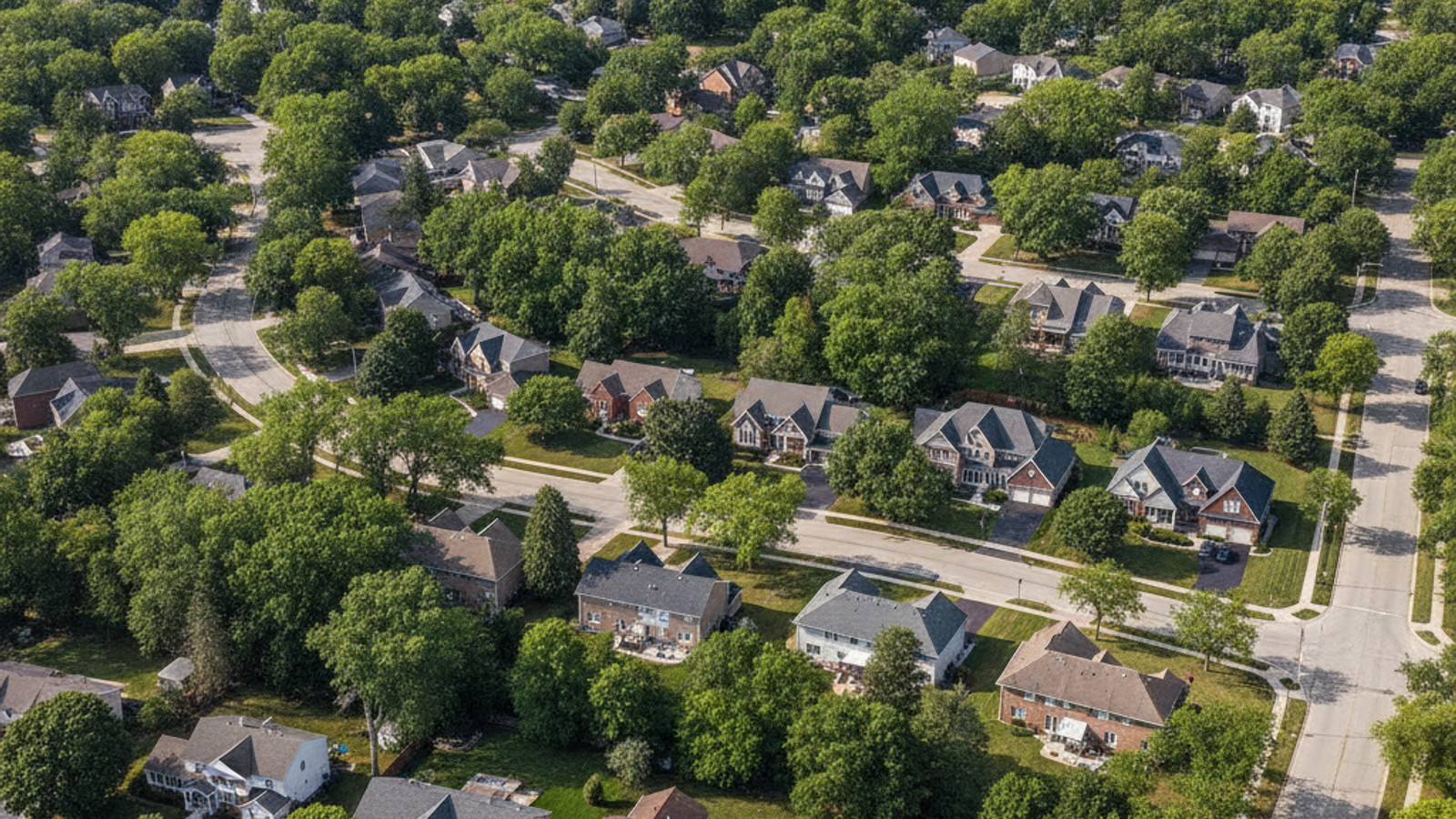
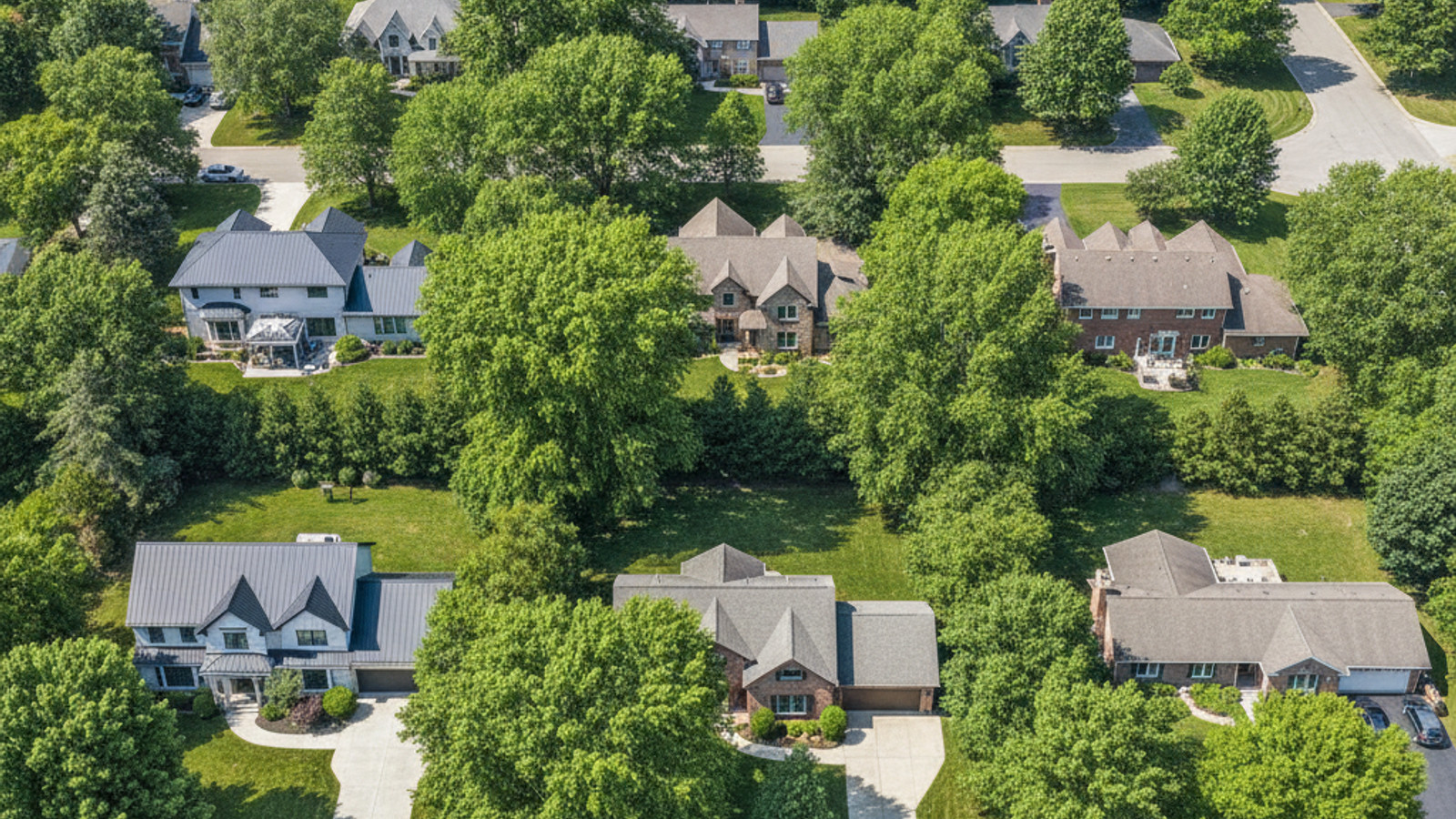
- Housing Variety: You have a mix of eras. You can find charming 1940s bungalows in the streets of the old “Auburn Heights” village, or you can buy into modern subdivisions built on the rolling land of former estates.
- New Developments: The history is still being written. New projects like “The Webster” downtown honor the first settler while bringing modern living spaces to the city center.
- Preservation: The city actively maintains its roots, evident in projects like moving the historic 1836 log cabin to a prominent spot downtown for preservation.
Frequently Asked Questions
When was Auburn Hills founded?
It’s a two-part answer. The area was first settled by Aaron Webster in 1821, but the modern “City of Auburn Hills” wasn’t officially incorporated until 1983. Before 1983, it was known as Pontiac Township and the Village of Auburn Heights.
Why did they change the name from Auburn Heights?
The name evolved from “Amy” to “Auburn Heights” in 1919. When the township and village merged in 1983, they chose “Auburn Hills”—a name popularized by Oakland Community College in the 1960s to describe the campus terrain—to represent the new unified city.
Is Auburn Hills the same as Auburn, Michigan?
No, they are two completely different places. Auburn, Michigan is a small city located in Bay County, about 90 minutes north. Auburn Hills is the large business and residential hub in Oakland County.
What replaced the Palace of Auburn Hills?
After the Palace was demolished in 2020, the site was redeveloped into a mixed-use technology and business park. It is now designed to host corporate headquarters and research facilities, continuing the city’s focus on economic growth.