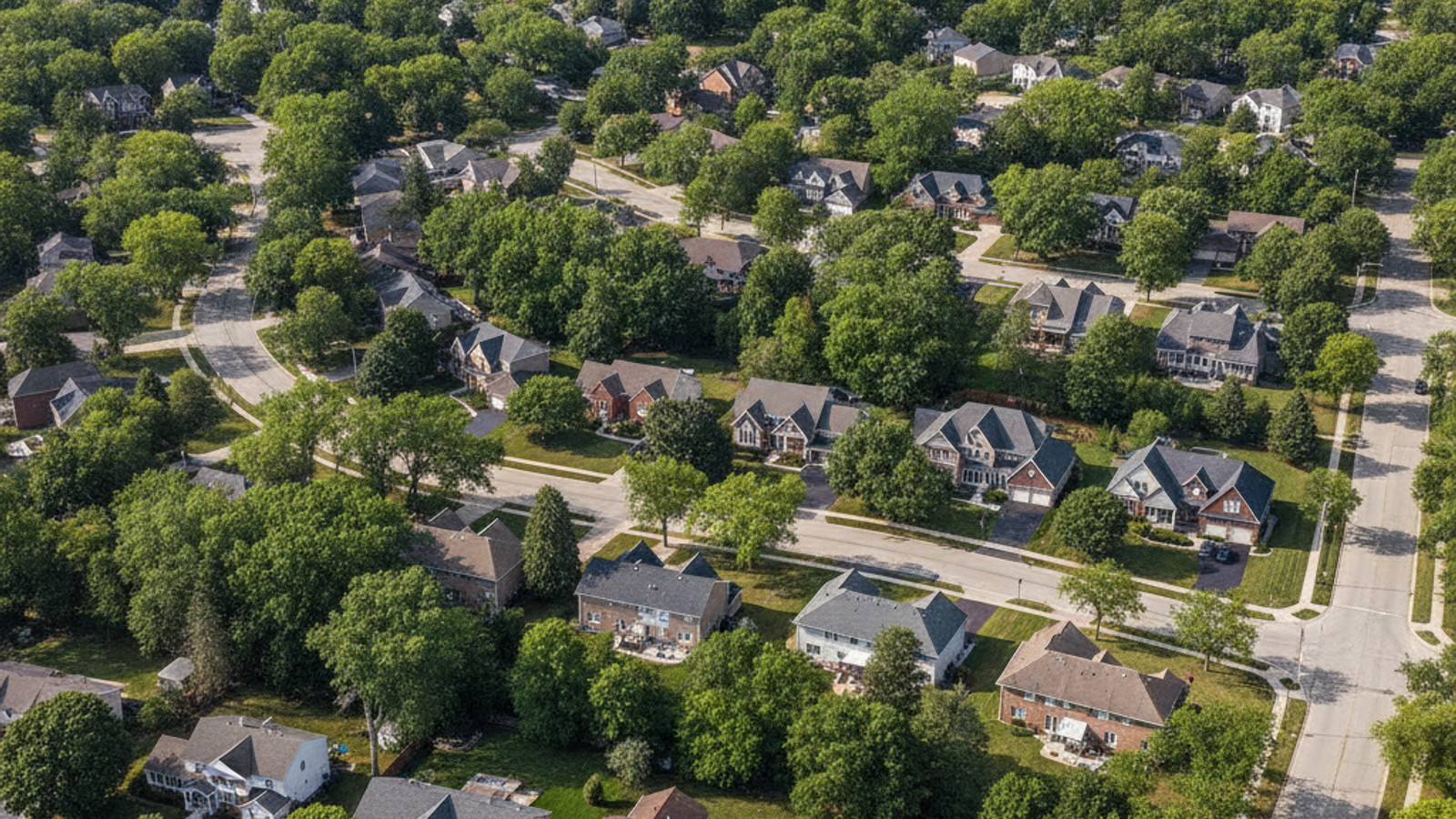
The median home price in Independence Township, MI currently sits around $450,000. When calculating seller closing costs in Independence Township, MI, a sizable portion of the final sale amount goes toward transaction fees before the remaining cash hits your bank account.
While buyers worry about down payments and loan origination fees, sellers carry their own set of financial obligations. Understanding these expenses early in the process helps you price your home correctly and predict your final take-home cash.
What Sellers Pay at the Closing Table
Sellers in Michigan typically pay between 6% and 9% of the home’s final sale price in transaction fees. On a standard home sale, this represents the single largest expense you will face during the real estate transaction.
This percentage is not a single flat fee paid to one entity. Instead, it breaks down into three main categories: real estate agent commissions, mandatory government taxes, and title-related expenses. Each of these lines takes a specific cut from your gross proceeds.
Realtor Commissions and Fees
Agent commissions account for the largest chunk of the total transaction expenses. In the Oakland County market, total commission rates generally range from 5% to 6% of the purchase price.
This total amount is typically split evenly between the listing agent and the buyer’s agent. The fee covers the cost of marketing the property, managing the contract, and guiding the real estate transaction to the closing table.
Sellers should remember that commission percentages are not fixed by law and can be negotiated with your broker. However, offering a standard rate to the buyer’s agent helps ensure local professionals are motivated to show your home to their clients.
State and County Transfer Taxes
The state of Michigan and Oakland County both charge a tax when property ownership changes hands. Sellers are responsible for paying these transfer taxes at the time of closing.
The Michigan state transfer tax rate is $3.75 per $500 of the property’s value, which equals 0.75% of the total sale price. Oakland County adds its own transfer tax rate of $0.55 per $500 of value, equating to 0.11%.
Combined, these two taxes mean you will pay exactly 0.86% of your final purchase price to state and local governments. The title company calculates this figure and deducts it directly from your proceeds.
Title Insurance and Recording Fees
Providing a clear title to the new buyer is a standard requirement for selling a home. In Michigan, the seller customarily pays for the owner’s title insurance policy to prove there are no outstanding liens or claims against the property.
An owner’s title insurance policy in Independence Township generally costs between $1,500 and $2,500, depending on the final sale price. The buyer pays for a separate lender’s title insurance policy if they are financing the purchase.
Alongside the insurance policy, you will see minor administrative charges on your settlement statement. These include Oakland County recording fees, document preparation costs, and a closing fee paid to the title company for hosting the closing table.
Property Tax Proration
Michigan property owners pay taxes on a specific schedule, with summer tax bills typically due in September and winter bills due in February. Because you will likely sell your home in the middle of a tax cycle, your property tax liability is prorated based on the exact days of ownership.
The title company calculates a per-day tax rate based on your annual bill. They determine exactly how many days you owned the home during the current billing period and adjust the final balances accordingly. If you already paid your summer or winter taxes in full, you will receive a financial credit at closing for the days the new buyer owns the home.
Conversely, if taxes are due but unpaid at the time of the sale, the prorated amount you owe will be deducted from your payout. This system ensures neither party pays for the other’s time living in the house.
Concessions and Additional Expenses
Buyers sometimes ask for financial help to offset their own closing costs, fund a down payment, or buy down their mortgage interest rate. If you agree to provide a seller concession, this amount is deducted from your proceeds and credited to the buyer at closing.
Neighborhoods with homeowner associations introduce another layer of potential fees to the transaction. Many HOAs charge a transfer fee to update their ownership records, and the seller often covers this administrative cost.
You may also need to provide repair credits if the home inspection reveals unexpected issues. Instead of fixing a broken water heater or an aging roof before closing, sellers frequently agree to reduce their net proceeds to cover the buyer’s future repair costs.
Sample Net Sheet for a $450,000 Sale
A $450,000 home sale generates thousands of dollars in transaction fees. A net sheet provides a line-by-line estimate of your expenses and final payout.
Below is a sample calculation for a $450,000 home sale in Independence Township, MI, assuming standard local rates. This calculation shows the gross proceeds before factoring in the seller’s outstanding mortgage payoff.
- Sale Price: $450,000
- Agent Commissions (5.5%): $24,750
- Transfer Taxes (0.86%): $3,870
- Title and Escrow Fees: $2,000
- Total Estimated Closing Costs: $30,620
- Estimated Net Proceeds: $419,380
Frequently Asked Questions
Do sellers typically pay for title insurance in Michigan?
Yes, it is local custom for the seller to purchase the owner’s title insurance policy. This protects the buyer’s claim to the property. The buyer handles the cost of the lender’s policy required by their mortgage company.
Are closing costs open to negotiation?
Certain fees offer room for discussion, while others are fixed. You can negotiate agent commissions and buyer concessions directly, but state and county transfer taxes are set by law. Title insurance rates are regulated by the state and remain consistent across different providers.
What is a seller’s net sheet?
A net sheet is a financial document prepared by your real estate agent or title company. It subtracts all estimated transaction fees and your remaining mortgage balance from the purchase price. This gives you a clear picture of the actual cash you will walk away with.