If you are looking at real estate in the “Greater Rochester” area, you have likely realized that the name covers a lot of ground. It’s common for buyers to start their search thinking “Rochester” is just one big place, only to find out it’s actually three distinct municipalities: the City of Rochester (the downtown hub), Rochester Hills, and Oakland Charter Township.
While they share a general location and often the same school district, living in Rochester Hills versus Oakland Township offers two completely different lifestyles.
Rochester Hills is a bustling city of over 76,000 people, defined by manicured subdivisions and accessible amenities. Oakland Township, on the other hand, is a pastoral, estate-style community of about 20,000 people that prioritizes land preservation and privacy. The choice usually comes down to a simple trade-off: do you want the convenience of suburban services, or do you want the luxury of space and silence?
Geography and Borders: Where Exactly Are They?
To understand the lifestyle difference, you first have to visualize the map. Oakland Township sits directly north of Rochester Hills.
Rochester Hills is your gateway to the rest of Metro Detroit. It borders Troy to the south and Auburn Hills to the west, placing it closer to the major commuter arteries like M-59 and I-75. Because of this location, it acts as the commercial and residential anchor of the area.
Oakland Township is further removed. It borders more rural communities like Addison Township and Washington Township. It feels physically “away” from the noise.
It is also important to note the “donut hole” in the map. The City of Rochester—the charming downtown area with the Main Street lights—is a separate municipality entirely. However, it sits right in the middle, serving as the cultural and dining downtown for residents of both Rochester Hills and Oakland Township.
Housing & Zoning: Subdivisions vs. Country Estates
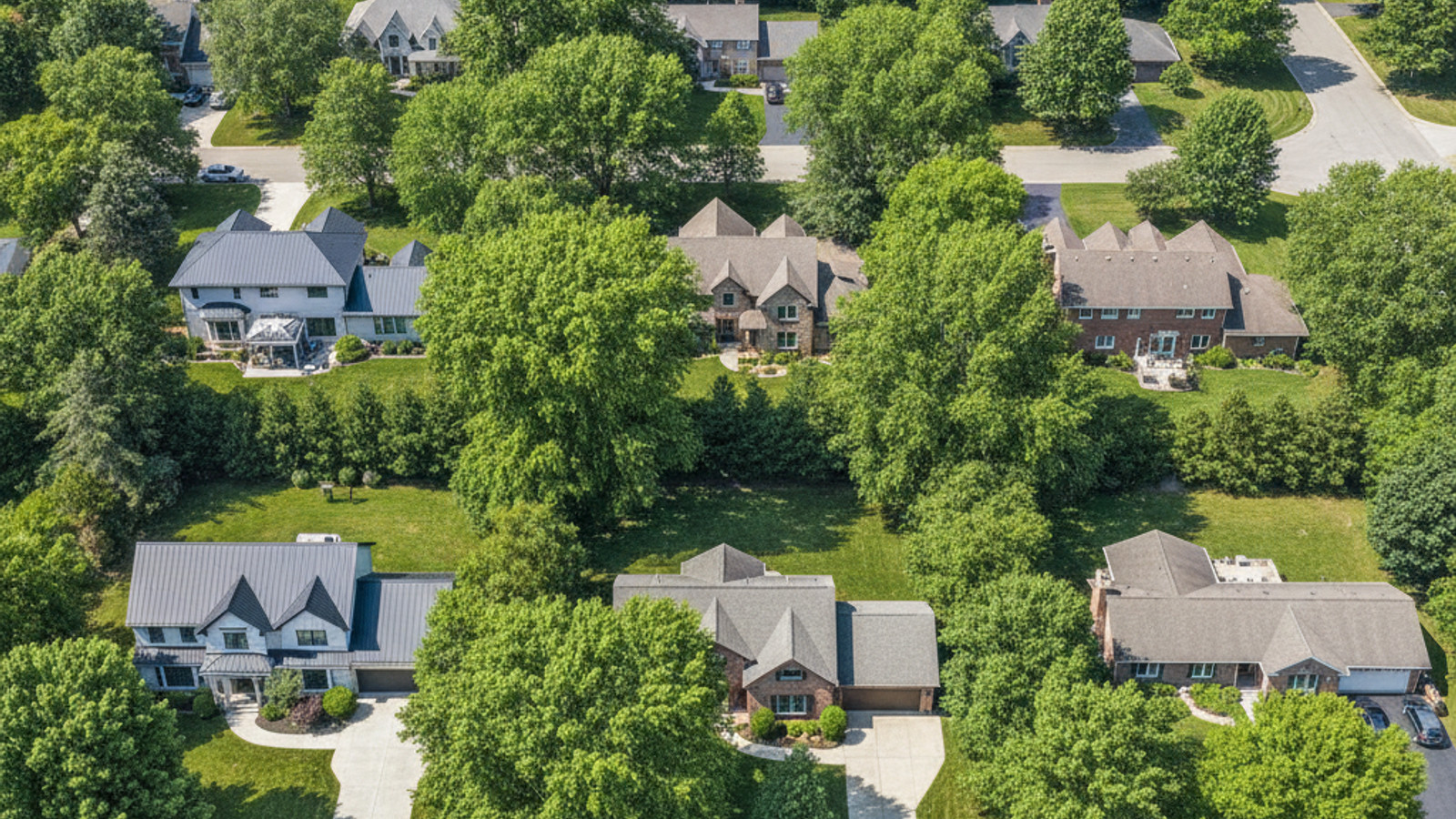
The most visible difference between these two areas is the housing stock and density. You can usually tell which municipality you are in just by looking at the distance between the houses.
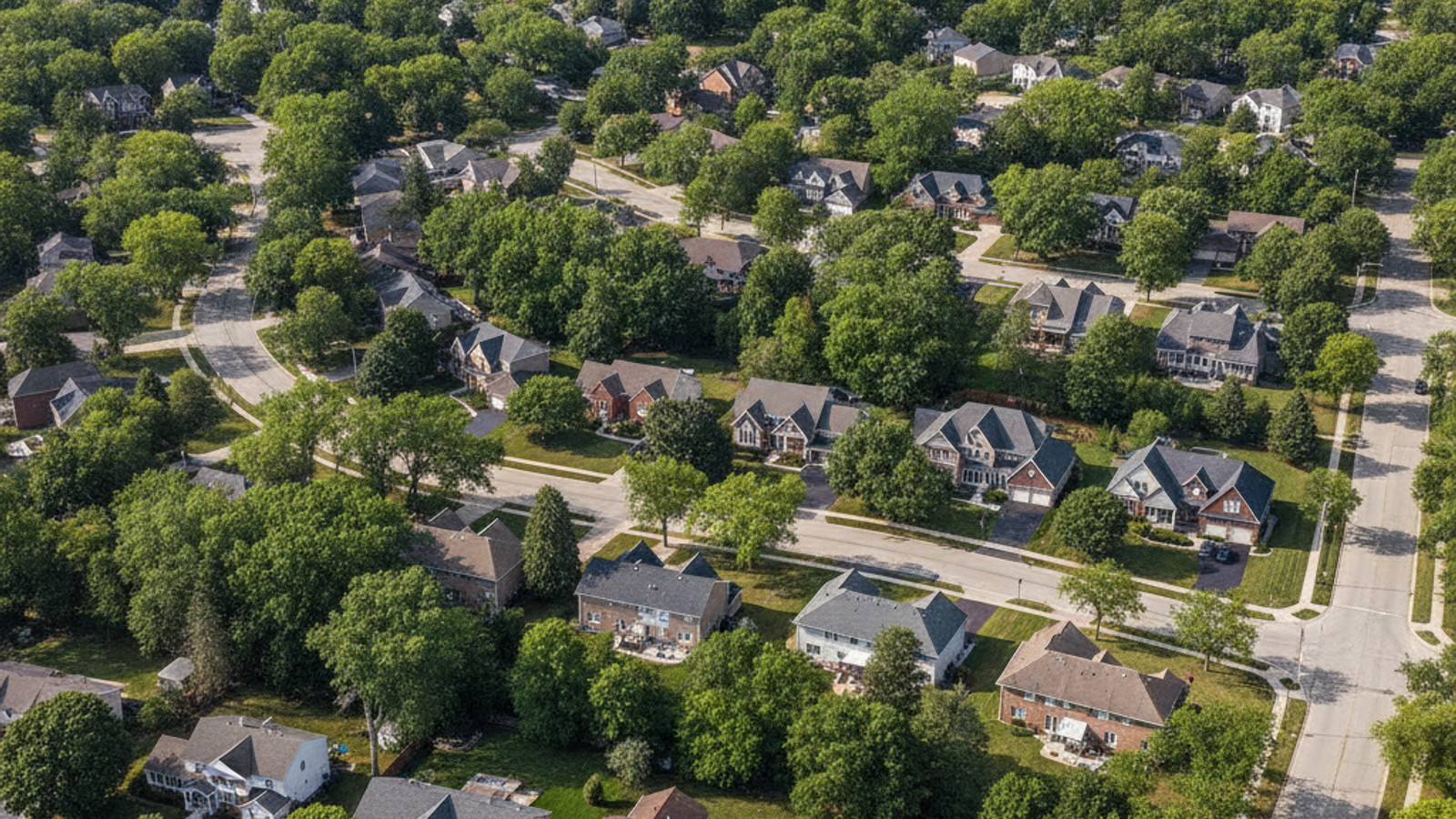
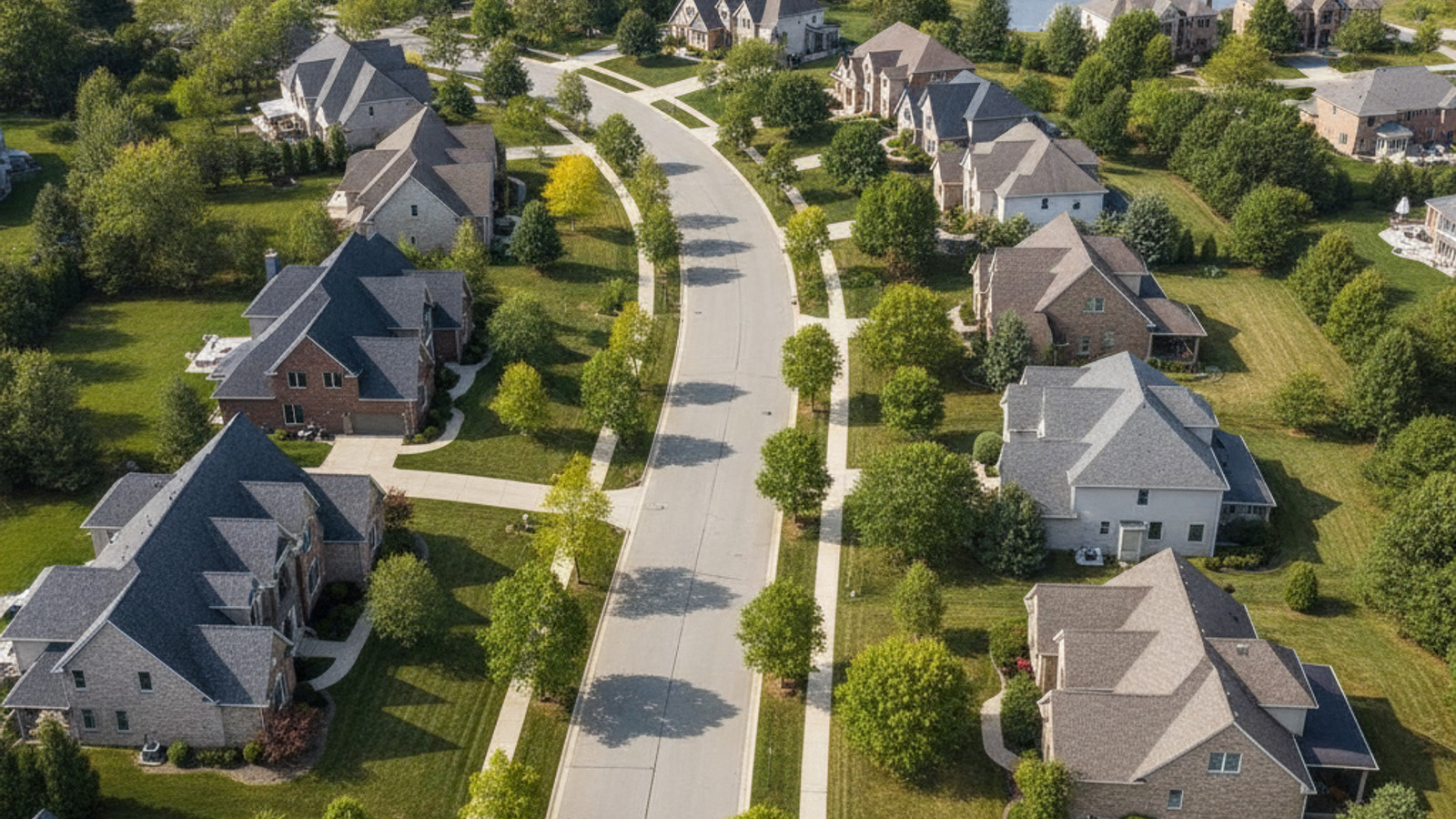
Rochester Hills is characterized by classic suburban development. You will find hundreds of planned subdivisions, many built in the 1980s and 1990s. These neighborhoods typically feature sidewalks, streetlights, and lot sizes ranging from 0.25 to 0.5 acres. It is a community design that encourages interaction; neighbors chat at the mailbox, and many subdivisions have communal amenities like clubhouses or pools.
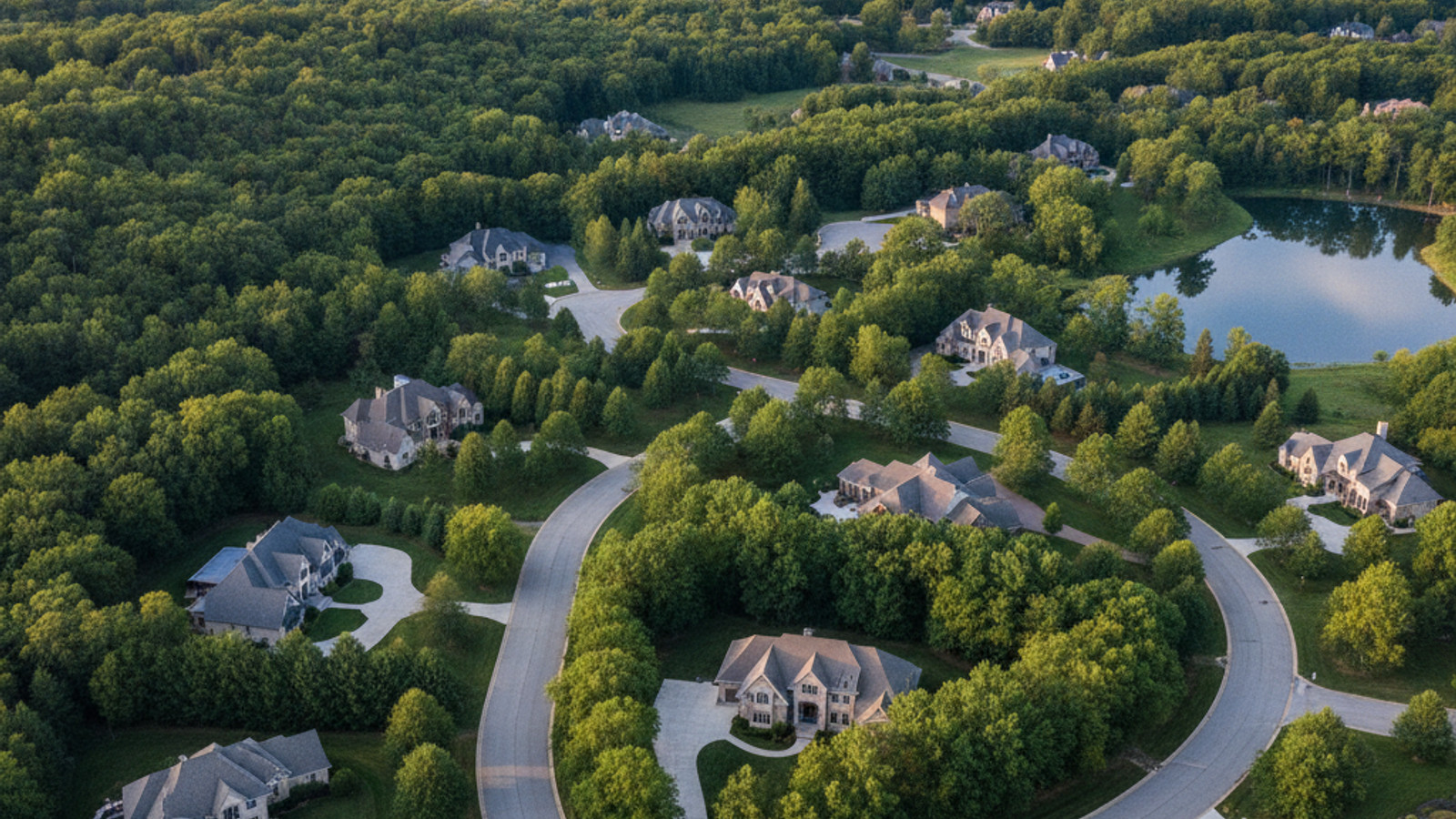
Oakland Township is defined by “preservation” zoning. The density here is much lower. It is rare to find a standard subdivision with houses right next to each other. Instead, you will find winding roads leading to custom estates on 1, 2, or even 5+ acres. The architecture tends to be more varied, ranging from sprawling ranch styles to massive custom new construction.
If you are looking for a condo or a low-maintenance attached home, you will find plenty of inventory in Rochester Hills. In Oakland Township, condos are very rare; the market is almost exclusively detached single-family homes.
The Hidden Difference: City Water vs. Private Septic
This is the logistical detail that often surprises relocators, but it is critical to your budget and daily life.
Rochester Hills operates like a standard city. The vast majority of homes are connected to public water and public sewer systems. You turn on the tap, you flush the toilet, and you pay a quarterly bill to the city. If something breaks underground at the street, the city fixes it.
Oakland Township is predominantly rural in its infrastructure. Most homes here rely on private well and septic systems.
If you choose the township lifestyle, you are essentially your own utility company. You will likely need a water softener and potentially an iron filter to manage water quality. You also need to be mindful of your septic system, which requires pumping every 3 to 5 years.
While modern septic systems are reliable, they do have a lifespan. A replacement field can cost anywhere from $15,000 to $30,000 or more. Some newer luxury developments in the township utilize “community septic” fields, which takes the burden off the individual homeowner, but you should always verify the utility situation before writing an offer.
Taxes & Cost of Living Analysis
When comparing costs, many buyers look strictly at the sticker price of the home, but the tax structure differs significantly between the two.
Generally speaking, Oakland Township has a lower operating millage than the City of Rochester Hills. Because the township offers fewer municipal services, they collect fewer taxes.
However, there is a trade-off. In Rochester Hills, your higher tax bill covers extensive services including trash pickup, sewer maintenance, a massive public library system, and aggressive snow plowing on city streets.
In Oakland Township, while your property tax bill might be lower, your out-of-pocket monthly costs can be higher. You will likely have to pay a private hauler for trash pickup, cover your own septic and well maintenance, and handle more intense landscaping costs due to the larger acreage. The township also has specific millages dedicated to police, fire, and a land preservation fund that keeps the area green, so the gap in taxes might not be as wide as it appears on paper.
School Districts: It’s Mostly the Same (With One Catch)
For many buyers, the school district is the driving force behind the move. The good news is that the majority of both Rochester Hills and Oakland Township are served by the acclaimed Rochester Community Schools (RCS).
RCS operates three main high schools—Rochester High, Adams, and Stoney Creek—and the attendance zones cut across the city and township lines. Living in the township does not automatically mean you go to one specific school; it depends entirely on your address.
The Catch: The northern tier of Oakland Township does not feed into Rochester schools.
As you get closer to the northern border, the school districts shift to Lake Orion Community Schools or Romeo Community Schools. These are also robust districts, but if your heart is set specifically on Rochester schools, you must check the boundary maps carefully. Do not assume that just because a home has an “Oakland Township” label, it is in the Rochester district.
Lifestyle: Shopping, Commute, and Nature
How much do you like driving? That is often the deciding factor between these two locations.
Commuting: Rochester Hills is the “commuter friendly” option. You can access I-75 or M-59 fairly quickly, making a trip to Detroit or Troy manageable (typically 35–45 minutes to downtown Detroit). Oakland Township adds a “scenic drive” to your commute. You will spend an extra 15 to 20 minutes on two-lane roads just to get to the highway.
Shopping: Rochester Hills is the commercial hub. It is home to The Village of Rochester Hills, a popular outdoor lifestyle center, as well as every grocery store and big-box retailer you need. Oakland Township has virtually no commercial zoning. There are no strip malls or large grocery stores. If you live in the township and need a gallon of milk, you are driving into Rochester or Rochester Hills to get it.
Nature and Recreation: This is where Oakland Township shines. It is home to Stony Creek Metropark, a massive park offering boating, beaches, and biking. The township also features easy access to the Paint Creek Trail and has protected thousands of acres of green space. Rochester Hills has excellent parks like Borden Park and Spencer Park, but they are more manicured and suburban, featuring soccer fields and playgrounds rather than wild nature.
Which is Right for You?
Choosing between these two comes down to the lifestyle you want to wake up to every day.
Choose Rochester Hills if: You want a neighborhood atmosphere with sidewalks for walking the dog, city services (sewer/water), and a convenient commute to shopping and work. It offers a polished, connected suburban experience.
Choose Oakland Township if: You crave privacy and silence. If you want a custom home on 1+ acres, don’t mind maintaining a well and septic system, and are willing to drive a little further for groceries in exchange for a pastoral, estate-style setting, the township is the right move.
Frequently Asked Questions
Are Rochester Hills and Oakland Township the same place?
No, they are separate municipalities with different local governments, tax rates, and zoning laws. While they share a general area and often share a school district, Rochester Hills is a city, and Oakland Township is a charter township.
Do Oakland Township residents go to Rochester Community Schools?
Most do, but not all. The majority of the township is zoned for Rochester Community Schools, but the northern section of the township is served by Lake Orion Community Schools and Romeo Community Schools.
Is it cheaper to live in Oakland Township or Rochester Hills?
It depends on how you measure cost. Oakland Township typically has lower property tax millage rates, but you may face higher maintenance costs for septic systems, well repairs, and private trash collection compared to the all-inclusive city services of Rochester Hills.
Does Oakland Township have city water?
Generally, no. The vast majority of homes in Oakland Township rely on private wells and septic systems. There are a few specific luxury subdivisions that have community water or sewer systems, but these are the exception rather than the rule.