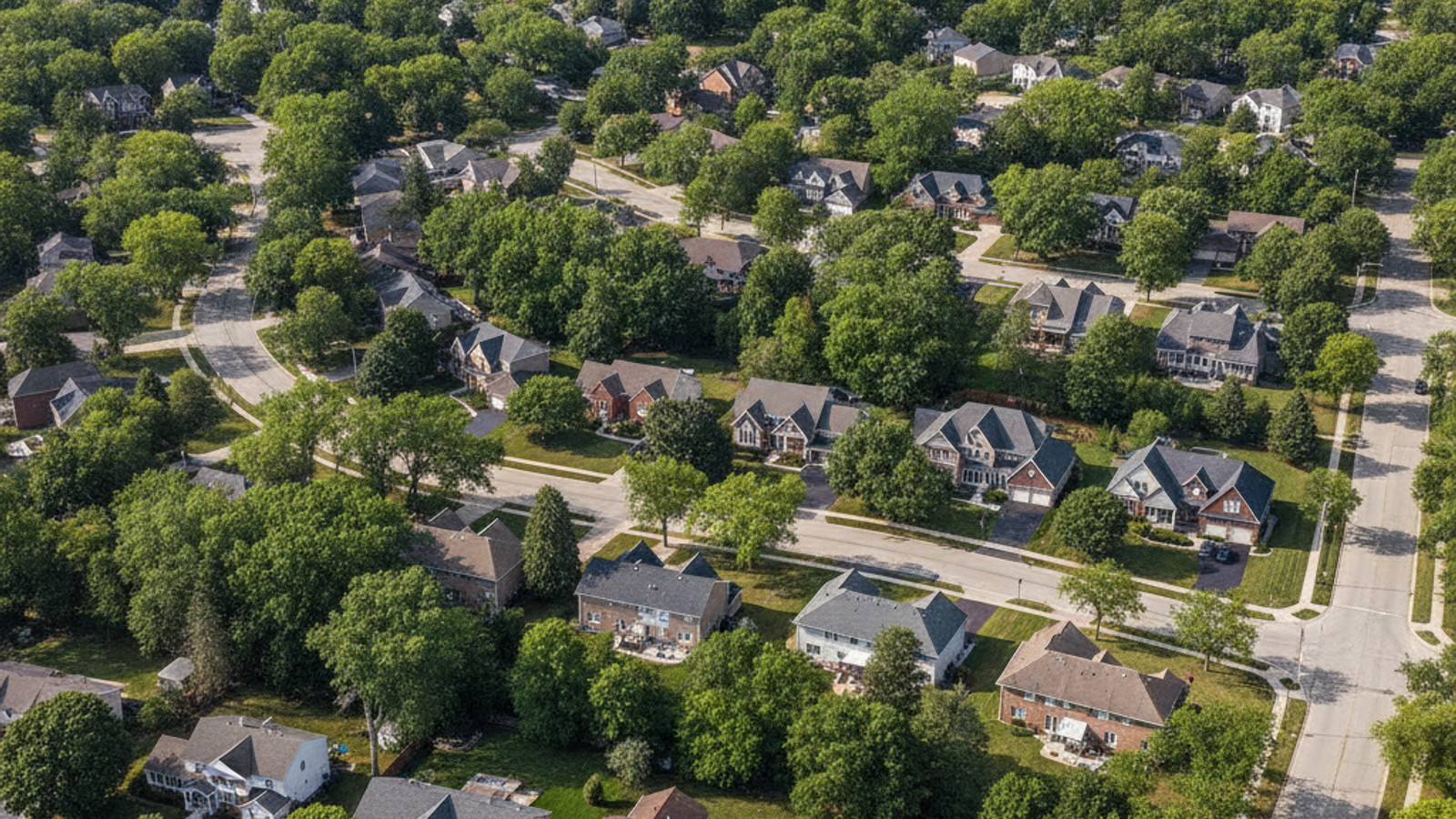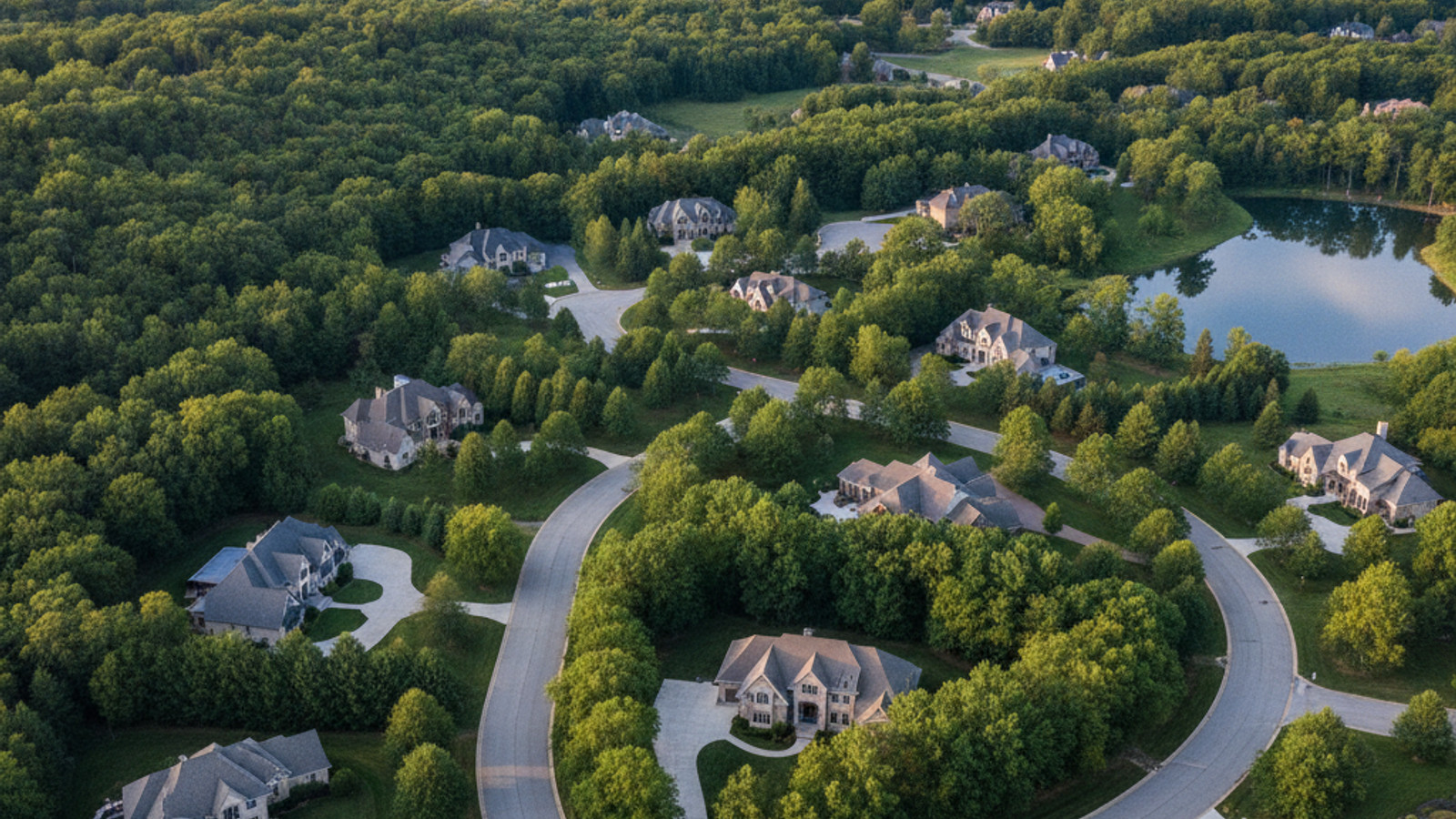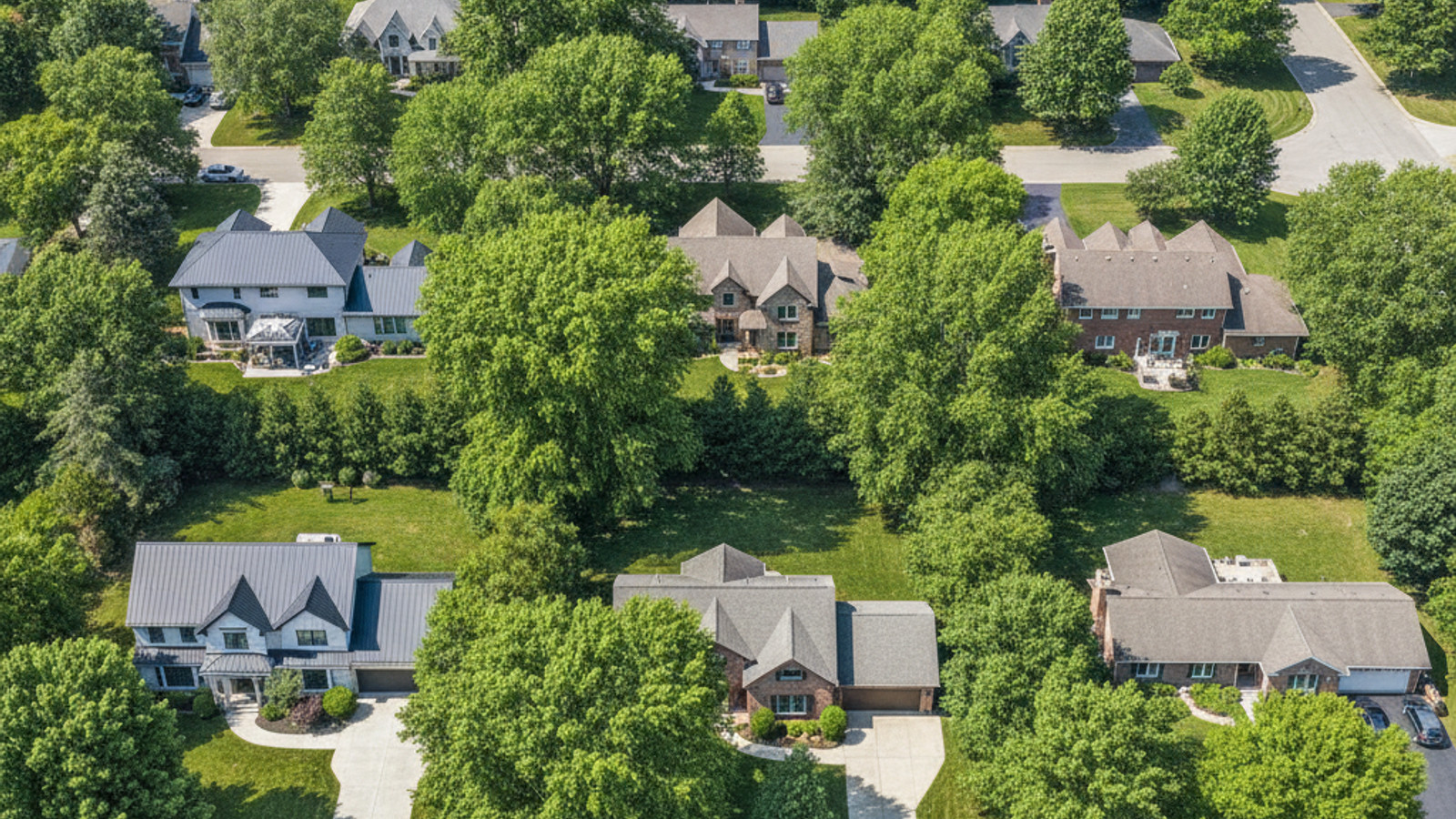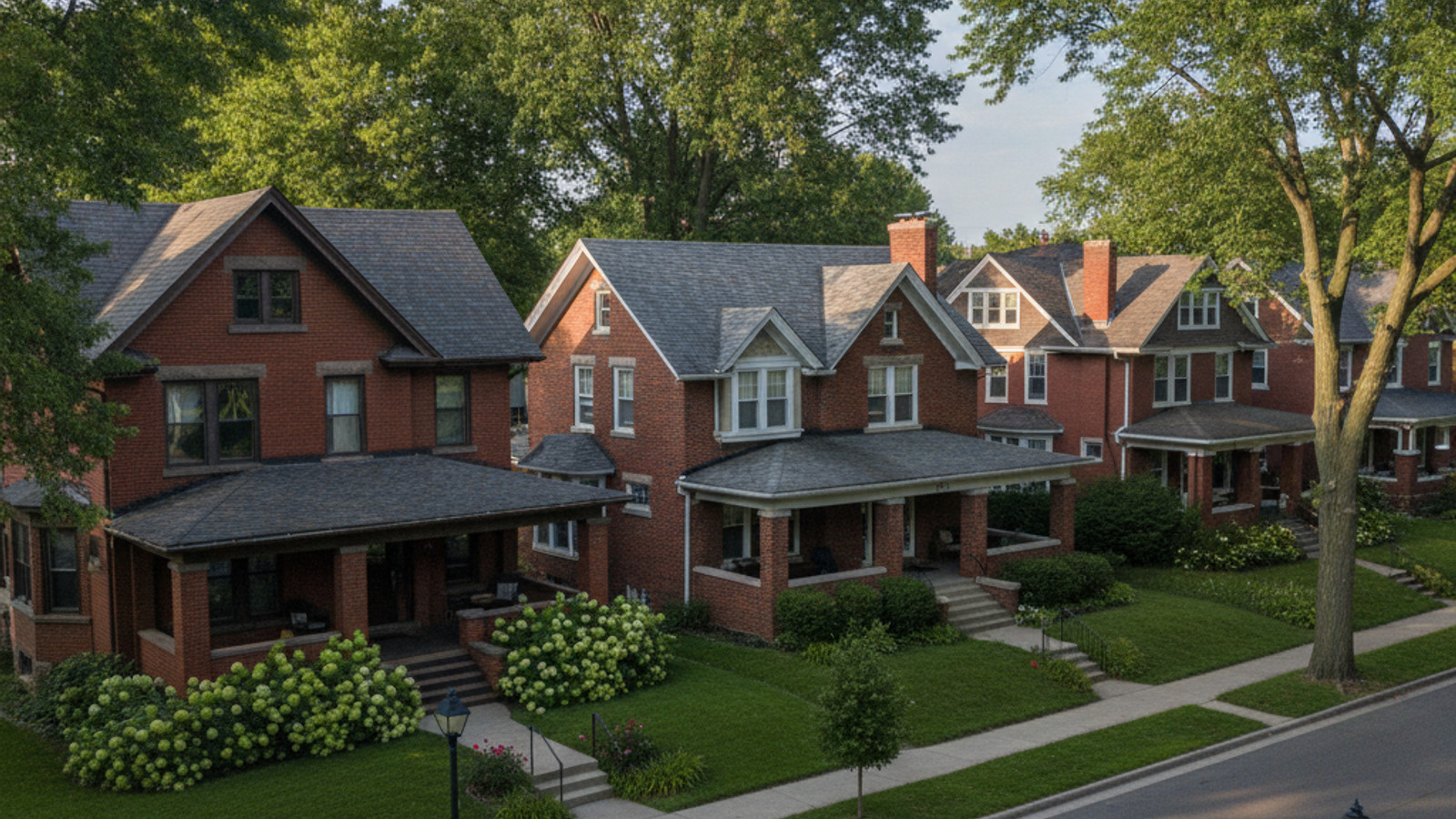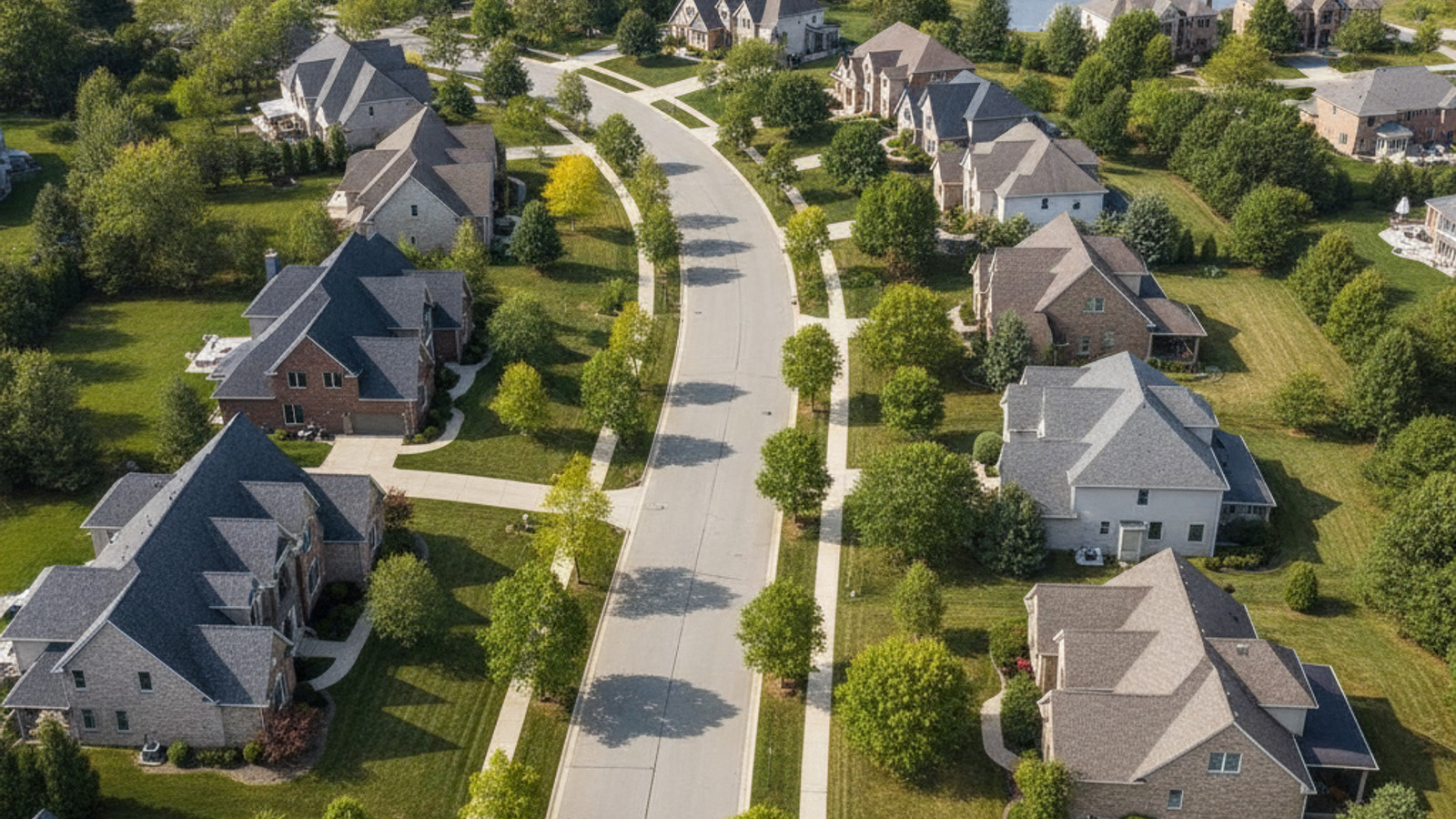
The median home price in Troy, MI ranges from $400,000 to just over $463,000 as of May 2026. Sellers face a swift market where correctly positioned properties attract immediate attention from active buyers. Setting the right asking price requires analyzing local data rather than relying on broad national headlines.
A successful listing balances maximum return with a realistic timeline. Overpricing a home leads to extended days on the market and eventual price drops. You should look at recent closed sales, local amenities, and property types to find the ideal number.
What the Troy Market Looks Like Right Now
Real estate data for May 2026 shows a fast-paced environment for sellers in Oakland County. Average days on market currently sit between 11 and 31 days. Homes priced well are going pending in under two weeks.
The sale-to-list ratio remains near 99% to 100% across the city. This means sellers are receiving their full asking price or very close to it. Buyers are willing to meet fair valuations, but they rarely overpay for properties that lack recent updates.
Inventory levels continue to favor sellers, keeping demand steady. You should review these metrics weekly as you prepare your listing. Market conditions can shift based on interest rates and seasonal buyer activity.
Running a Comparative Market Analysis
Pulling comparable sales requires matching your home’s exact features with recent closed transactions. You should look for properties with similar square footage, bedroom counts, and lot sizes. Comparing a ranch to a two-story colonial will result in inaccurate valuations.
Location plays a massive role in these calculations across the city. Proximity to the Big Beaver Road business corridor and I-75 alters buyer demand. Commuters often prioritize quick highway access, which adds measurable value to nearby homes.
Distance to the Somerset Collection also impacts property values in the surrounding neighborhoods. You should use factual neighborhood boundaries rather than assumptions when pulling data. A true comparable sale is located within the same subdivision or a mile radius of your address.
Adjusting for Different Property Types
Single-family homes carry higher land value, which changes the baseline calculation for sellers. Buyers evaluate the lot size, yard features, and exterior maintenance. You should price these homes based on both the structure and the usable land attached to it.
Townhouses require a different approach when preparing for the market. You should compare homeowners association dues and shared amenities when setting the asking price. High monthly fees can reduce a buyer’s purchasing power, meaning your base price may need adjustment.
Condos within the Troy city limits follow a similar pattern. Buyers weigh the monthly dues carefully against the unit’s square footage and included services like exterior maintenance. If your building recently updated its roof or common areas, you should highlight that added value in the listing.
The Impact of School Districts and Zoning
Zoning laws dictate property use and establish the baseline for your initial asking price. A home zoned for mixed-use or located near commercial developments carries a different valuation than one deep inside a residential subdivision. You should verify your exact zoning classification before setting a price.
School district boundaries create distinct pricing tiers across the city. Properties located in the Troy School District often command different values than those in the Avondale School District. Buyers frequently search for homes using these specific boundary lines.
School ratings act as a measurable feature for buyers comparing homes in Oakland County. You should verify your exact district lines before finalizing a listing price. Even a single street over can change the assigned district and the resulting comparable sales.
Listing Methods That Attract Buyers
Choosing a listing price method depends on your timeline and financial goals. Some sellers want a quick transaction, while others are willing to wait for a specific return on investment. Setting the right number requires understanding buyer behavior and search technology.
Buyers rely on automated alerts and website filters to find new properties. If your price does not align with these digital tools, your home will lose visibility. You should consider one of three main approaches to position your property effectively.
- Competitive pricing: Setting a price slightly below recent comparable sales can generate multiple offers quickly. This approach often leads to bidding wars that push the final sale price higher.
- Exact market value: Pricing the home right at the appraised value builds buyer confidence. This streamlines the appraisal process and attracts buyers who want a straightforward transaction.
- Search filter thresholds: Pricing just below a major search filter like $450,000 increases visibility on real estate websites. A home listed at $449,900 appears in searches capped at $450,000, capturing a larger pool of potential buyers.
Frequently Asked Questions
What is the average time it takes to sell a house in Troy, MI?
As of May 2026, homes in Troy typically stay on the market for 11 to 31 days before going pending. Well-priced properties with modern updates tend to sell on the faster end of that spectrum. Overpriced homes often sit longer, requiring eventual price reductions.
Does my school district determine my home’s value?
School district boundaries are a major factor in local property valuations. Homes in the Troy School District often pull different comparable sales than nearby properties in the Avondale School District. Buyers use these boundaries as a primary filter when searching for homes.
How do HOA fees impact the listing price of a condo?
High homeowners association fees lower a buyer’s overall purchasing power by increasing their monthly payment. If your condo has higher fees than a neighboring complex, you may need to adjust your listing price downward. Conversely, low fees can make your property more attractive and justify a higher asking price.