If you are looking for a place in Oakland County that balances upscale living with a distinct “up north” feeling, Rochester Hills usually lands at the top of the list. It is spacious, incredibly green, and consistently ranks as one of the safest cities in both Michigan and the entire United States.
However, before you start packing boxes, there is one major distinction every newcomer needs to understand: the difference between Rochester Hills and Rochester. They share a school district and a post office, but they are very different places. Rochester is the smaller city with the historic, walkable Main Street downtown. Rochester Hills is the larger, sprawling city that surrounds it, known for larger lots, subdivisions, and major lifestyle centers.
As of 2026, Rochester Hills remains a top destination for those seeking stability, top-tier education, and breathing room, even if it means a slightly longer commute to Detroit. Here is the local scoop on what it’s really like to live here.
Pros and Cons of Living in Rochester Hills
Every city has its trade-offs. Living here offers a high quality of life, but it comes with a price tag and some logistical realities.
The Pros
- Safety First: The city consistently boasts some of the lowest crime rates in the state. It is a quiet, well-patrolled community where residents generally feel very secure.
- Top-Tier Education: For many buyers, the draw is the Rochester Community Schools district. It is a massive driver for property values here.
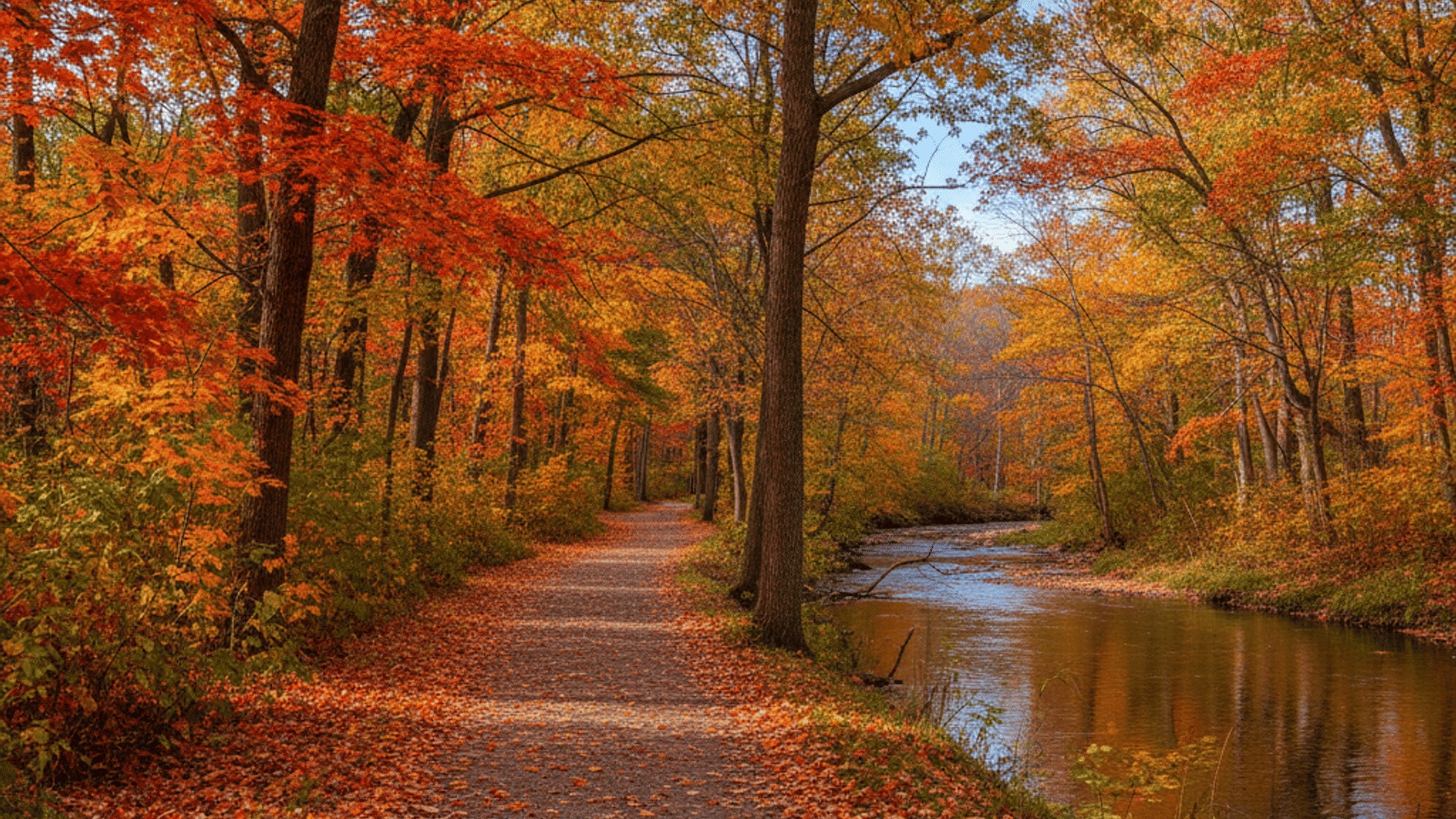
- Nature & Trails: Between the Paint Creek Trail, the Clinton River Trail, and massive parks like Bloomer Park, the outdoor access is phenomenal.
- Retail Access: You have immediate access to “The Village of Rochester Hills,” an upscale outdoor lifestyle center that serves as the city’s commercial hub.
The Cons
- Cost of Living: Housing prices and property taxes are significantly higher here than the national average and many neighboring communities.
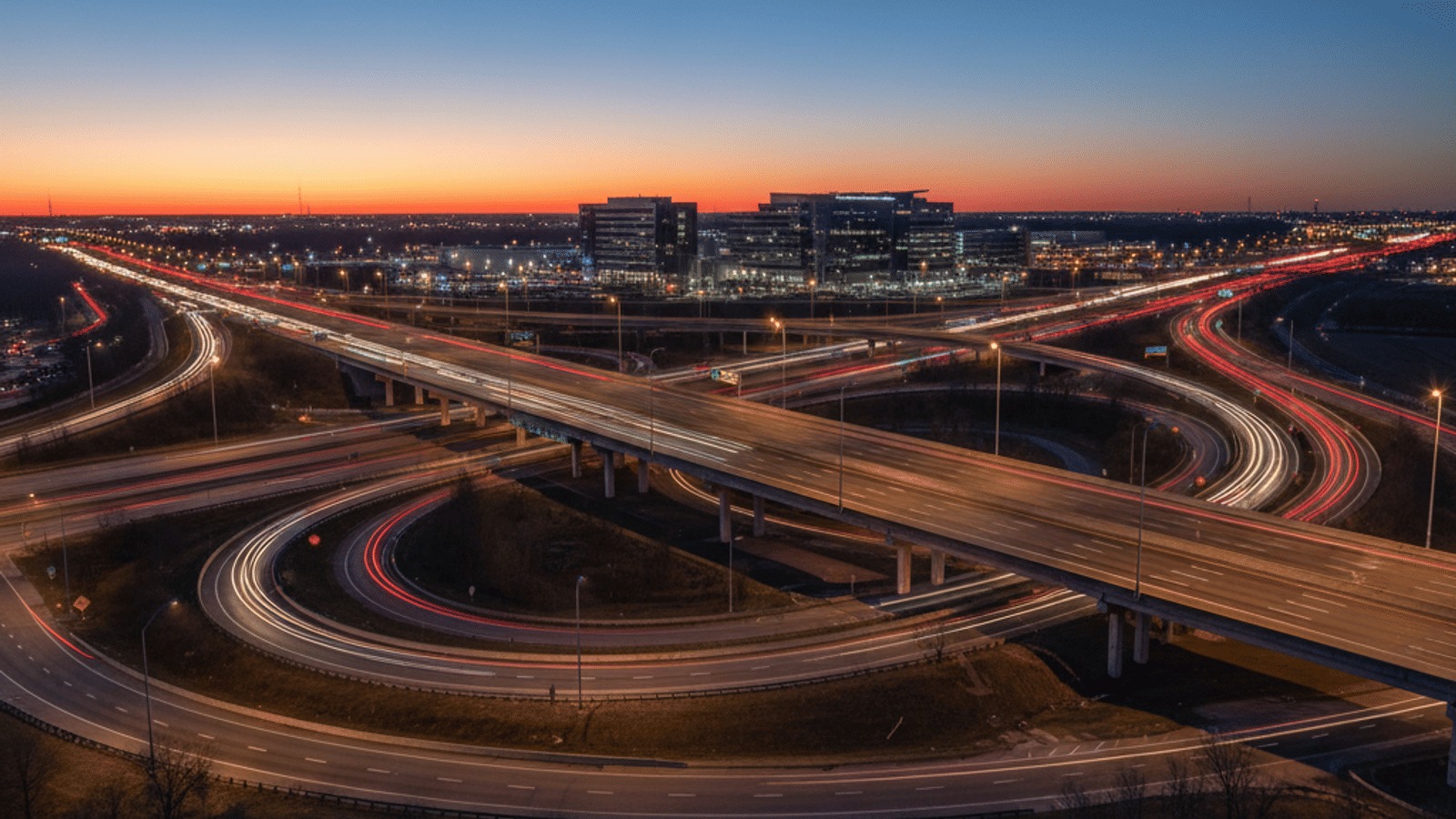
- Traffic Congestion: M-59 and Rochester Road are major arteries, but they can get gridlocked during rush hour.
- Car Dependency: This is not a walkable city. Unless you live right next to The Village, you will need a car for almost every errand.
- Quiet Nightlife: If you are looking for clubs or late-night bars, you won’t find them here. Residents usually head to neighboring Rochester or down to Royal Oak for entertainment.
Cost of Living & Real Estate Market (2026 Update)
Let’s talk numbers. As we move through early 2026, the real estate market in Rochester Hills remains a seller’s market. Because the schools and safety ratings are so high, demand rarely drops, even when interest rates fluctuate.
Housing Costs: You should expect to pay a premium for the address. As of early 2026, the median home price hovers between $440,000 and $470,000. Inventory is generally tight; desirable homes in turnkey condition often go under contract in less than 45 days. If you are not ready to buy, the rental market offers luxury apartments and single-family homes, typically ranging from $1,700 to $2,000 per month.
Taxes and Daily Expenses: When calculating your monthly budget, pay close attention to property taxes. Michigan taxes can be tricky, but Rochester Hills specifically has millages for the local schools and services that can push your tax bill higher than you might expect.
Day-to-day expenses like utilities and groceries are comparable to the wider cost of living in Michigan, but “lifestyle creep” is real here. With high-end dining and shopping at your doorstep, discretionary spending tends to increase.
Best Neighborhoods and Housing Options
Rochester Hills is geographically large, and the “vibe” changes depending on where you are. Generally, the further north you go, the more rural and expensive it gets. The southern part of the city is denser and closer to the highways.
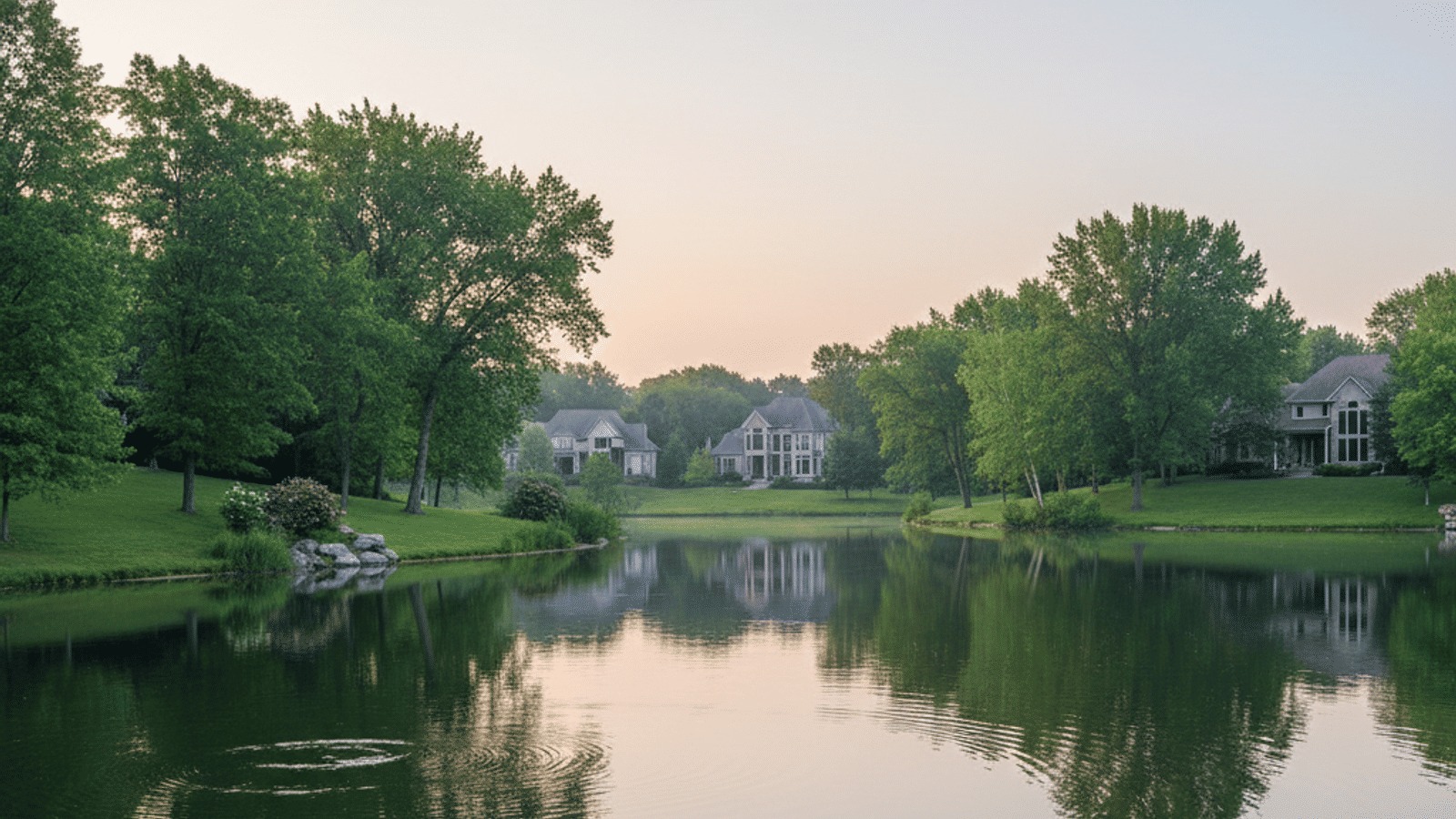
- Stony Creek Ridge: This is a classic example of an upscale subdivision. It features community amenities like a pool and clubhouse, making it a popular choice for those wanting a connected neighborhood feel.
- Clear Creek & The Sanctuary: If you are looking for luxury estates, gated entrances, and massive square footage, these are the neighborhoods to watch.
- Brooklands: Located in the southern part of the city, this area offers older, more modest homes. It is often considered a great entry-level option for getting into the city without the estate-level price tag.
- Condo Living: For those wanting to downsize or avoid yard work, there are several condo developments near Rochester Road that offer a lower-maintenance lifestyle.
Schools and Education in Rochester Hills
Education is the engine that drives the local housing market. The vast majority of the city is served by Rochester Community Schools (RCS), which is consistently rated in the top 5% of districts in the state.
The district is anchored by three major high schools: Rochester Adams, Rochester High, and Stoney Creek High. All three have reputations for rigorous academics and high graduation rates (often exceeding 95%).
It is worth noting that some southern sections of the city fall into the Avondale School District. Avondale is also a strong district, but because RCS is so renowned, homes within the RCS boundaries often command a slightly higher price per square foot. Always verify the specific school assignment for any home you are considering.
Beyond K-12, the city is home to Oakland University. Having a major university in town provides residents with access to a massive library, Division I sporting events, and cultural resources without bringing a rowdy “college town” atmosphere to the neighborhoods.
Employment and Major Employers
Rochester Hills is not just a bedroom community; it has a thriving local economy. The area is a hub for robotics and automation, with FANUC America being a major employer. Healthcare is another pillar, with Corewell Health and Ascension Providence Rochester providing thousands of jobs in the area.
For those who don’t work within city limits, the commute is fairly standard for Metro Detroit. Many residents work in automotive or engineering roles in nearby Auburn Hills (home to Stellantis) or Troy.
Remote work is also very common here. Most neighborhoods have access to high-speed fiber internet, making it an easy transition for professionals working from home.
Safety and Crime Rates
If you ask a resident why they moved here, “safety” is almost always the first answer. In 2026 rankings, Rochester Hills continues to be cited as one of the safest cities in Michigan for its population size.
Violent crime rates are exceptionally low—hovering around 0.5 per 1,000 residents, which is significantly below both state and national averages. Property crime is also lower than the norm. The city invests heavily in its police and fire departments, and that stability is a major factor in property value retention.
Things to Do: Shopping, Parks, and Dining
While Rochester Hills doesn’t have a traditional Main Street, it does have The Village of Rochester Hills. This is an open-air lifestyle center featuring fountains, fire pits, and high-end retailers. It serves as the unofficial downtown where locals gather for coffee, shopping, and community events.
Outdoor Recreation This is where the city really shines.
- Paint Creek Trail: A former rail line converted into a trail, perfect for cycling, running, and walking. It connects you directly to downtown Rochester and Lake Orion.
- Bloomer Park: Famous for its velodrome (bicycle racing track) and extensive hiking trails.
- Spencer Park: Offers a beach area and ice skating in the winter.
For culture, residents often head to the Meadow Brook Hall and Amphitheatre located on the Oakland University campus. It is a historic Tudor-revival mansion that hosts tours, and the amphitheatre attracts major national touring acts for summer concerts.
Transportation and Getting Around
You need a car to live here. While The Village is walkable once you park, getting there requires driving.
The main east-west artery is M-59 (Hall Road), which connects you to I-75. The main north-south route is Rochester Road. Be warned: Rochester Road can be a significant bottleneck during peak commuting hours.
If you travel frequently for business, Detroit Metro Airport (DTW) is about a 45 to 50-minute drive, depending on traffic.
Is Moving to Rochester Hills Right for You?
Rochester Hills is a specific type of suburb. It isn’t for those seeking grit, nightlife, or walkability. It is designed for those who prioritize safety, premium education, and green spaces.
If you are looking for a community where the lawns are manicured, the schools are top-notch, and the parks are plentiful, this is likely the right spot for you. The best way to decide is to drive through neighborhoods like Stony Creek Ridge or grab a coffee at The Village to see if the pace of life matches what you are looking for.
Frequently Asked Questions
Does Rochester Hills have a downtown?
No, Rochester Hills does not have a traditional historic downtown. It features “The Village of Rochester Hills,” which is an upscale outdoor shopping center. For a historic Main Street experience, residents go to the neighboring city of Rochester.
Is Rochester Hills expensive to live in?
Yes, generally speaking. Housing prices and property taxes are higher than the Michigan average. However, many residents find the cost justified by the high-rated schools, safety, and amenities.
What is the difference between Rochester and Rochester Hills?
Rochester is a smaller, older city with a walkable downtown and smaller residential lots. Rochester Hills is a larger, newer city surrounding it, known for subdivisions, larger properties, and commercial shopping centers.
How are the schools in Rochester Hills?
The schools are excellent. The Rochester Community Schools district is consistently ranked among the best in the state, with high graduation rates and strong athletic and arts programs.
How far is Rochester Hills from Detroit?
Rochester Hills is approximately 25 to 30 miles north of Detroit. Without traffic, the drive takes about 35 minutes, but during rush hour, it can take 45 minutes to an hour.