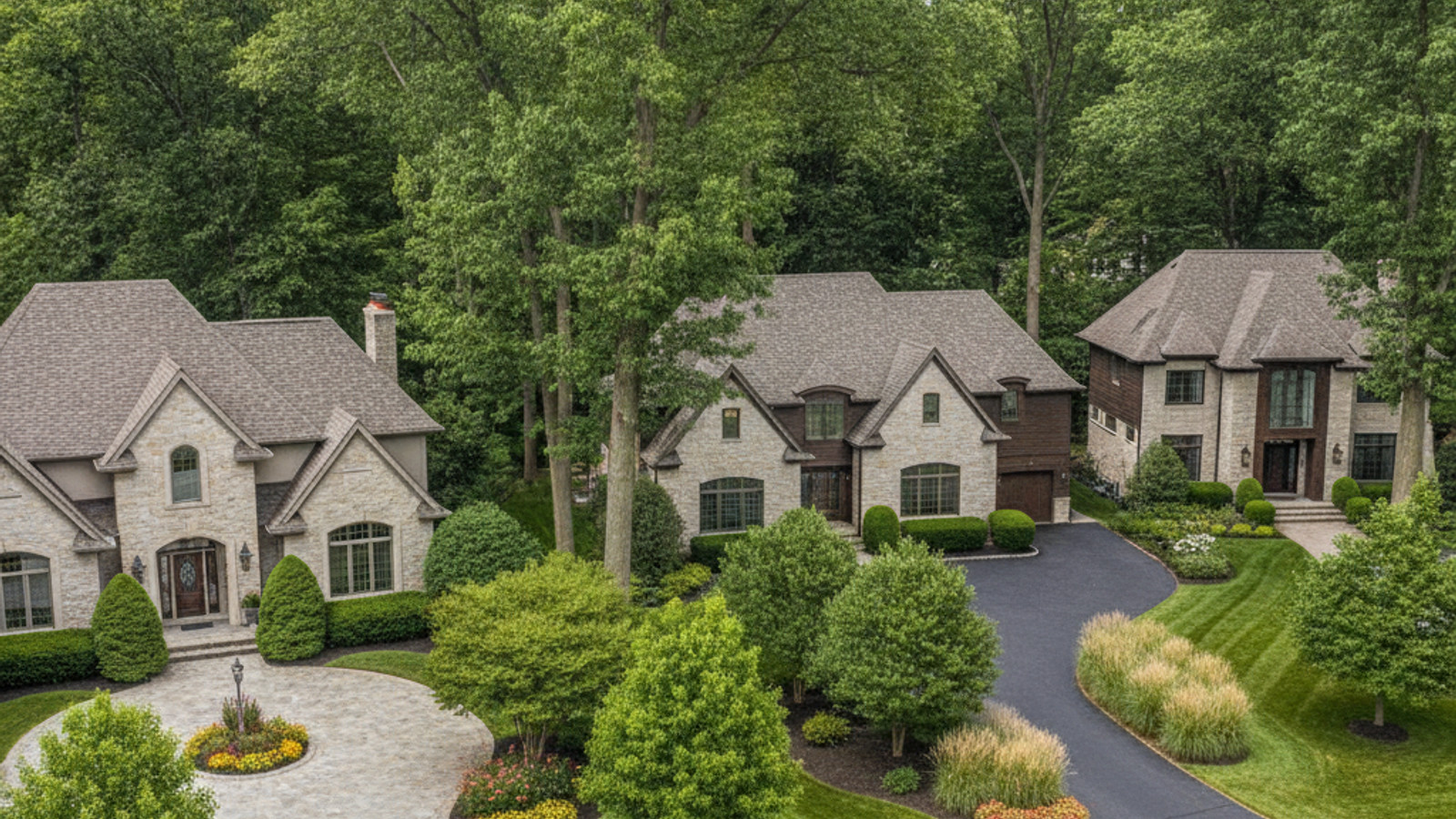
Buying your first home is exciting, but let’s be honest—it can also feel pretty overwhelming, especially in the 2026 market. If you have been renting in Metro Detroit or just moved to Oakland County for a tech or automotive job, you have likely noticed that inventory is tight and interest rates are still a major conversation piece. You want a place that feels like a solid investment without stretching your budget to the breaking point.
That is where Troy fits into the picture. It sits in a bit of a “sweet spot” within Oakland County. You get the central location and top-tier services of a high-end suburb, often at a better value than neighboring Birmingham or Royal Oak. While the entry price here is higher than in some other communities, the long-term stability of property values makes it a smart buy. Plus, with state programs like the MSHDA loan options, bridging the financial gap might be more realistic than you think.
Why Troy is a Top Choice for New Homeowners
When you look at where to put down roots, you have to weigh the lifestyle against the price tag. Troy consistently draws in buyers because it just works for daily life.
First, let’s talk about the commute. If you are working in Detroit, Warren, or Auburn Hills, living here cuts down your windshield time significantly. You are right at the hub of I-75, M-59, and Big Beaver Road. You can get almost anywhere in Metro Detroit in 20 minutes or less.
Then there are the amenities. You have the Somerset Collection right in your backyard for high-end shopping, but you also have an incredible amount of green space. Places like Boulan Park and Firefighters Park aren’t just patches of grass; they are massive community hubs with trails and sports fields. On top of that, the Troy School District is a huge driver for property values. Even if you don’t have students in the house, owning a home in a district with such a strong reputation keeps resale demand high.
Troy, MI Real Estate Market Snapshot (2026)
Before you start scrolling through listings, you need to know what the numbers actually look like this year. It helps to set realistic expectations so you aren’t disappointed when you see what is out there.
Currently, the median sales price for homes in Troy is hovering in the $400,000 to $440,000 range. I know that sounds steep for a “starter” home, but that median includes the big luxury builds. For a first-time buyer, the reality is a bit different. You will likely be looking at condos in the $200,000 to $300,000 range or smaller ranch-style homes between $320,000 and $380,000.
Be prepared for competition. We are still in a seller’s market. Because inventory is tight, turnkey properties—homes that don’t need work—often see multiple offers. Speed is the name of the game here; desirable homes frequently go pending in under 10 to 20 days. If you see something you love, you can’t wait until the weekend to decide.
First-Time Home Buyer Programs & Grants
If those prices made you nervous, here is the good news: you don’t necessarily need twenty percent down to get into a home here. Michigan has some robust assistance programs designed exactly for buyers like you.
The heavy hitter is the MSHDA MI Home Loan. This program offers 30-year fixed mortgages with interest rates that are often competitive compared to the standard market.
Even better is the MI 10K DPA Loan. This is a down payment assistance loan available statewide that provides up to $10,000 to help cover your down payment or closing costs. It is a 0% interest loan, meaning you don’t make monthly payments on it; you just pay it back when you sell the home or pay off your mortgage.
A few other things to keep in mind regarding financial aid:
- Income Limits Apply: These programs aren’t for everyone. There are household income caps—usually around the $100,000+ mark depending on your family size—and purchase price limits you need to stay under.
- First-Generation Assistance: You might hear about the $25,000 pilot program for first-generation buyers. While it’s an amazing opportunity, funds are often exhausted or waitlisted quickly, so check the current status immediately rather than banking on it.
- Oakland County Grants: It is also worth asking your lender about any specific community block grants available within Oakland County, as these pop up occasionally.
If you are looking for more details on these, researching Michigan first-time home buyer programs is a great next step.
Best Troy Neighborhoods for First-Time Buyers
Troy is a large city, and the vibe (and price) changes depending on which mile road you are near. If you are hunting for that elusive starter home, there are specific pockets you should focus on.
- Condo Communities: If you want to keep your monthly payment lower and don’t mind sharing a wall, look at complexes like Northfield Hills or the developments near Big Beaver and Coolidge. These spots often offer amenities like pools and clubhouses, and the entry prices are much friendlier than single-family homes.
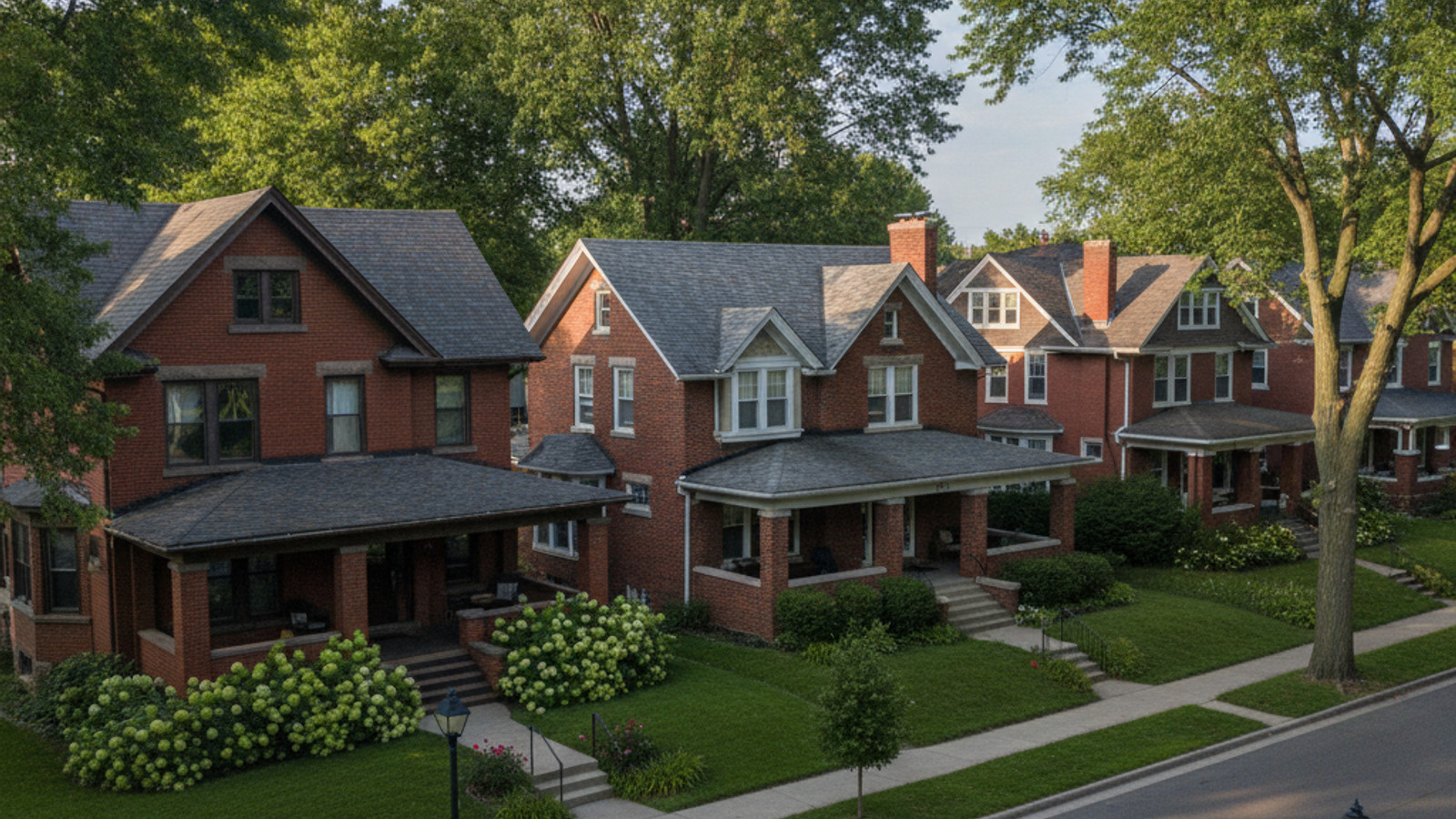
- Rochester Road Corridor: This area is a goldmine for the classic 1970s brick ranch. These homes are typically smaller—around 1,000 to 1,200 square feet—but they are solid, well-built, and offer entry-level pricing for single-family living.
- Southeast Troy: The sections bordering Sterling Heights tend to be slightly more affordable than the west side neighborhoods that border Birmingham. You get the same Troy zip code and services, but your dollar often stretches a little further here.
Understanding Costs: Taxes, Insurance, and Closing
One of the biggest shocks for new buyers in Michigan is the property tax structure. It is unique, and if you aren’t careful, it can mess up your monthly budget.
First, you need to know the difference between “Homestead” and “Non-Homestead” taxes. As a primary resident, you qualify for the Principal Residence Exemption (Homestead), which lowers your tax rate significantly—usually by about 18 mills. Make sure this paperwork is filed immediately when you buy.
The second tricky part is the “Pop-Up Tax.” In Michigan, a home’s taxable value is capped while the owner lives there. When the home sells, that cap is removed, and the taxable value resets to match the current State Equalized Value (SEV), which is roughly half the market value.
This means you cannot rely on the current seller’s tax bill to estimate your costs. If they have lived there for 20 years, their taxes are artificially low. Your taxes will likely be higher the year after you buy.
Budgeting Basics:
- Property Taxes: Plan for a bill between $3,500 and $6,000 per year, depending on the home’s value.
- Closing Costs: You should budget roughly 2% to 5% of the purchase price for title insurance, transfer taxes, and pre-paids.
- HOA Fees: Many Troy subdivisions and almost all condos have Homeowners Association fees. These can range from a modest $200 per year for a subdivision to over $300 per month for a condo.
Step-by-Step Guide to Buying in Troy
So, how do you actually make this happen? Here is a localized roadmap to getting keys in hand.
Step 1: Get Pre-Approved Properly: In a competitive market like Troy, a generic pre-qualification letter isn’t enough. You need a solid pre-approval. If you are planning to use assistance, ask your lender specifically about their experience with MSHDA loan options. Not all loan officers know how to navigate the paperwork efficiently.
Step 2: Balance Needs vs. Wants: You will likely see a lot of 1970s brick ranches. Many have “good bones” but might still have pink bathrooms or shag carpet. You need to decide if you want “turnkey” (which costs more and has more competition) or if you are willing to do some cosmetic updates to get into the neighborhood you want.
Step 3: Be Ready to Move: When you see a new listing that fits your criteria, try to tour it that same day or the next. The Troy real estate market trends move fast, and waiting three days usually means missing out.
Step 4: Making the Offer: Work with your agent to structure a strong offer. In Troy, this might mean offering a slightly higher earnest money deposit to show you are serious. Your agent can also advise if appraisal gaps are common for the specific neighborhood you are eyeing.
Step 5: Inspections are Non-Negotiable: Never skip the inspection. Since many homes in Troy were built in the 70s and 80s, you need to check the basements thoroughly for moisture issues or foundation cracks. It is worth the cost for peace of mind.
Frequently Asked Questions
Does Troy, MI have a first-time home buyer program?
Troy itself does not have a city-specific lending program, but residents have access to Michigan’s statewide resources. The most common option is using MSHDA’s down payment assistance (MI 10K DPA) combined with their favorable mortgage rates.
What credit score do I need to buy a house in Troy?
Generally, for a conventional loan, you will want a score of at least 620. However, if you are looking to use MSHDA assistance programs, the requirement is typically a minimum credit score of 640.
Is it cheaper to buy a condo or a house in Troy?
Upfront, a condo is almost always cheaper, with purchase prices often $100,000 less than single-family homes. However, you must factor in the monthly HOA fees, which can narrow the gap in your monthly payment.
How much is the down payment for a house in Michigan?
You do not need 20% down. First-time buyers can often purchase a home with as little as 3% down on a conventional loan or 3.5% on an FHA loan. Combined with state assistance, your out-of-pocket cash can be quite low.