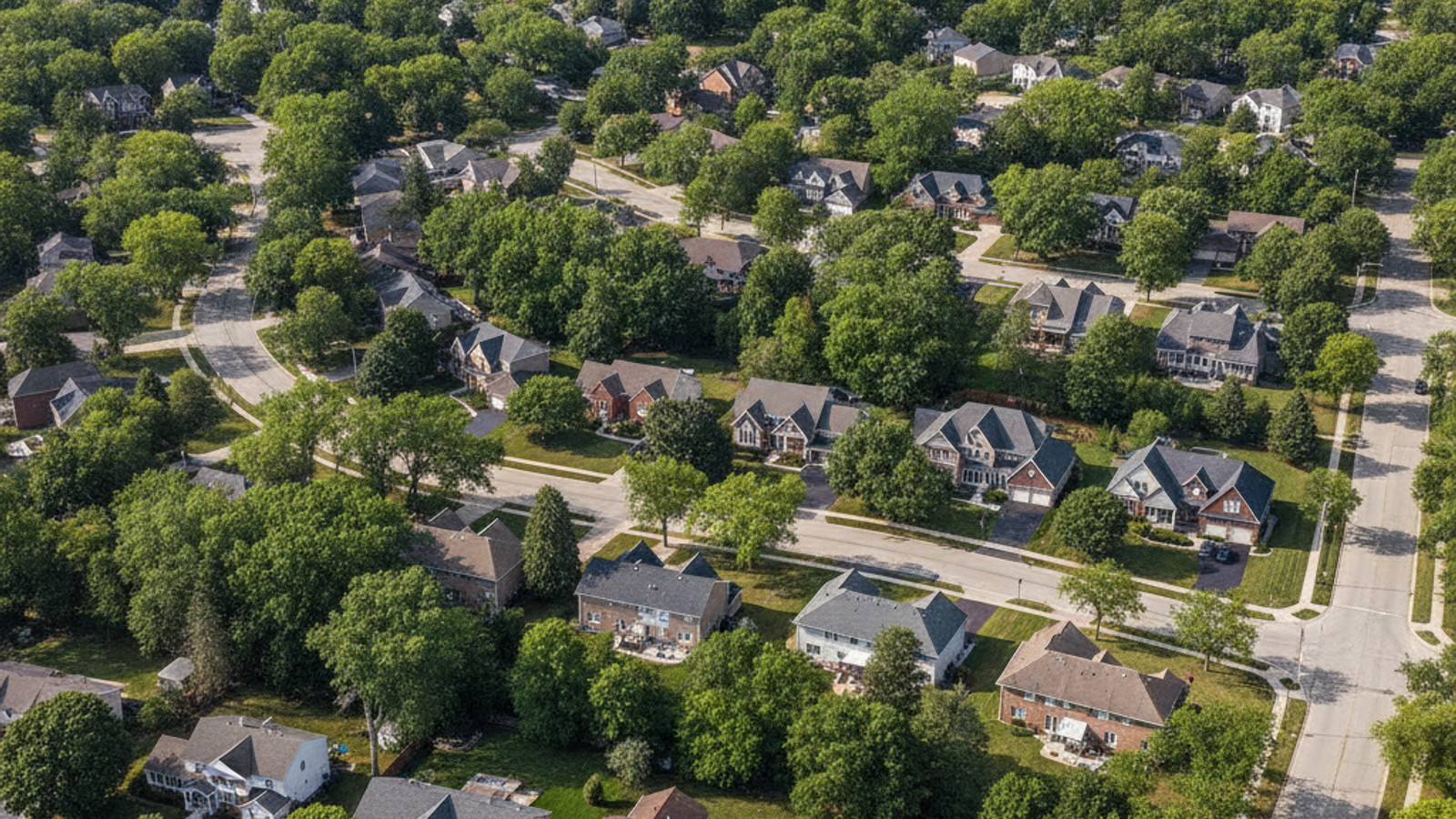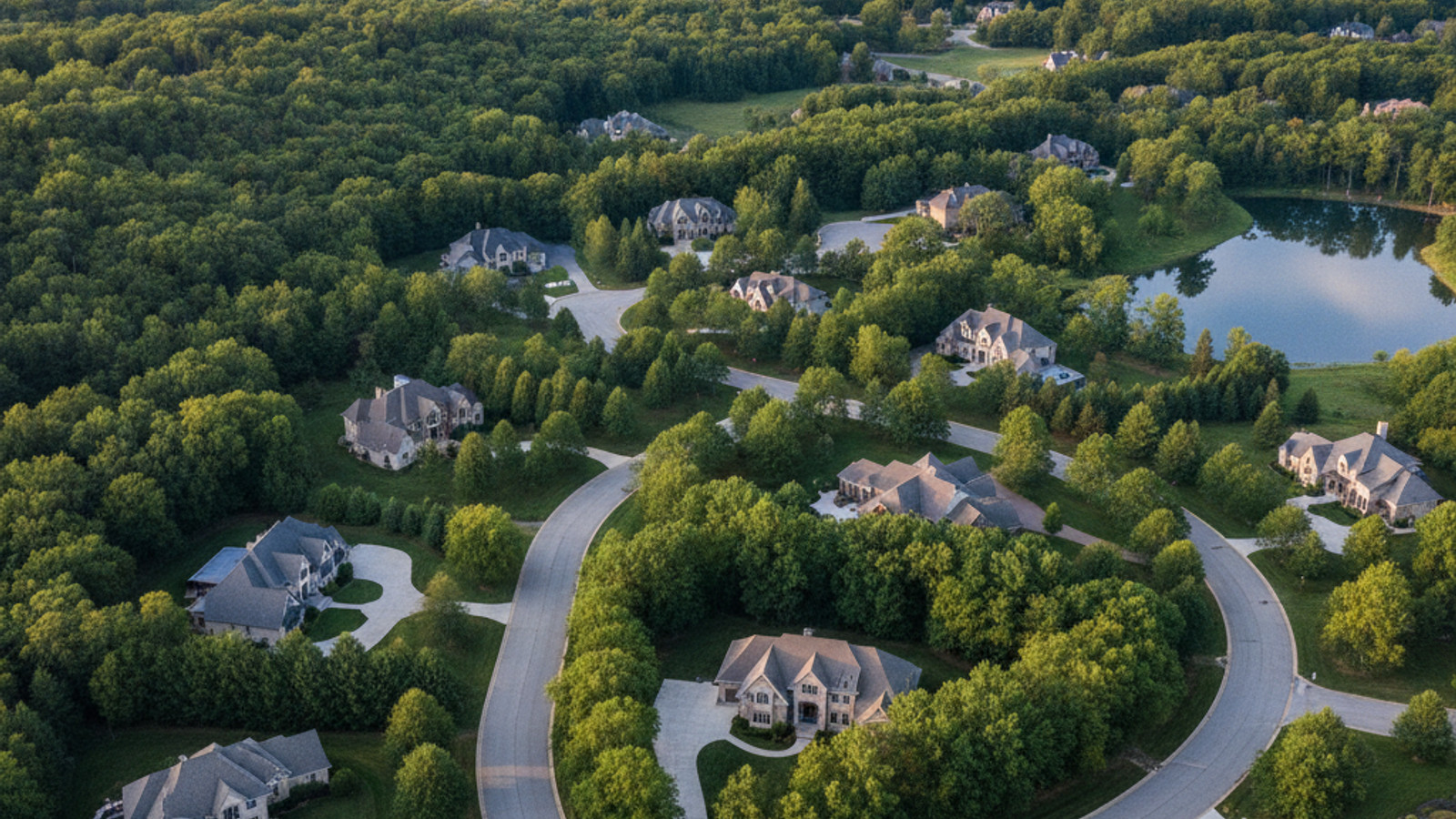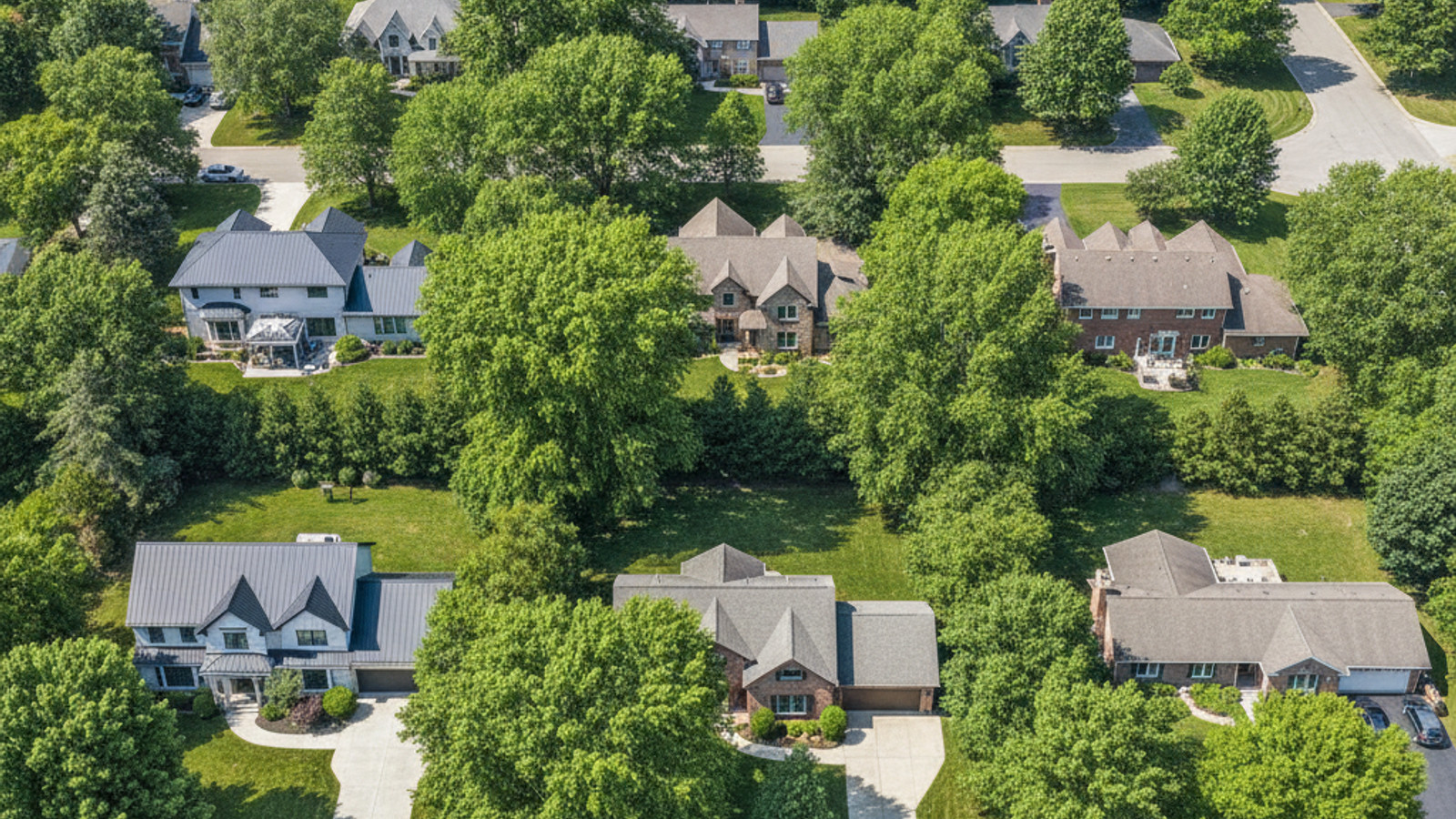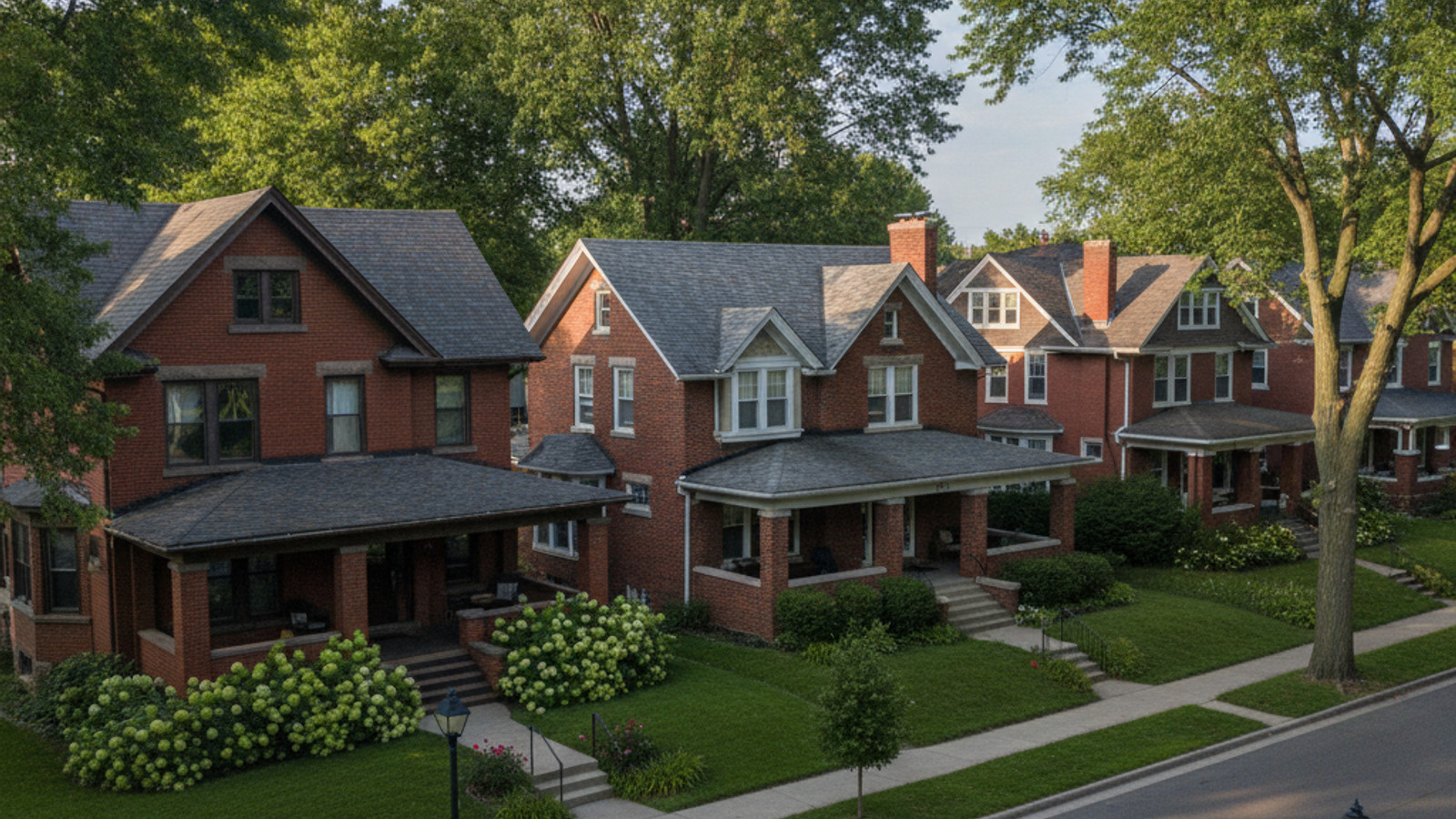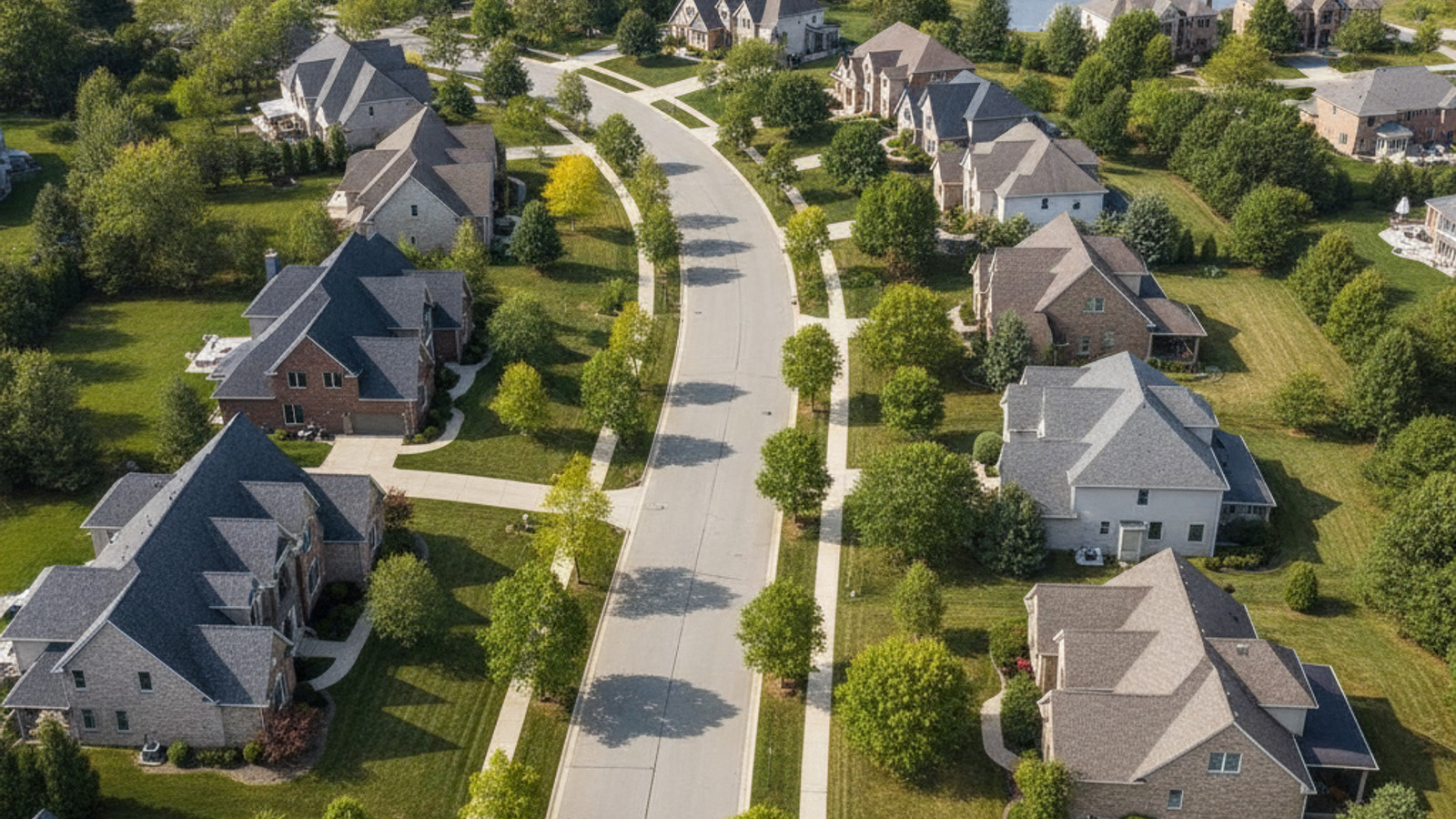
If you are currently renting or living with family and looking to put down roots in Oakland County, Rochester Hills is likely at the top of your list. It hits that sweet spot of having enough suburban space to breathe—think trails, nature preserves, and larger lots—while being just a five-minute drive from the energy of downtown Rochester.
However, entering this market in early 2026 requires a bit of strategy. We are still firmly in a seller’s market, with inventory hovering around a tight 1.8 months of supply. That means when a good house hits the market, it doesn’t sit there waiting. As of January 2026, the median sale price is sitting right around $461,000.
Don’t let that number scare you off, though. While the median is pushing mid-$400s, there are still solid starter home opportunities—specifically condos and smaller ranch-style homes—ranging from $300,000 to $400,000. The key to snagging one is preparation. You can’t start figuring out your budget the day you see the house; you need to be ready to move before the sign even hits the lawn.
Understanding the Costs: It’s More Than Just the Mortgage
When you are looking at Zillow or Redfin, it’s easy to fixate on the monthly principal and interest payment. But as a local agent, I always tell buyers to look at the “all-in” monthly cost to avoid surprises.
Let’s start with the down payment. There is a persistent myth that you need 20% down to buy a home. While putting 20% down gets rid of Private Mortgage Insurance (PMI), it is not a requirement. Most first-time buyers in our area use conventional loans with as little as 3% to 5% down.
From there, you need to factor in property taxes, which can be tricky in Michigan. Rochester Hills has an effective tax rate of roughly 1.2%. It is crucial to remember that the taxes you see on a listing might be based on the seller’s capped value, not what you will pay. Your taxes will eventually reset based on the purchase price, so we always want to calculate payment with taxes using the estimated future value, not the current bill.
You also need to set aside cash for closing costs. In Michigan, these generally land between 2% and 5% of the purchase price. This covers your title insurance, transfer taxes, recording fees, and pre-paids for insurance. For a typical starter home here, you should budget somewhere between $4,000 and $6,000, though this varies by lender and price point.
Finally, keep an eye on the hidden costs. Many neighborhoods in Rochester Hills, even those with single-family homes, have HOA fees. You also have winter tax millages to consider—our Winter 2025 millage rate was around 11.27 mills, which funds things like the library and safety services. Plus, if you buy a home built in the 1970s (which is common here), budget a little extra for maintenance on older mechanicals.
First-Time Buyer Programs & Grants in Oakland County
The good news is that you might not have to shoulder all these costs alone. In 2026, there are several robust assistance programs specifically designed to help buyers in Oakland County bridge the gap.
Oakland County Homebuyer Program: This is a fantastic local resource that offers up to $5,000 to help cover your down payment or closing costs. It is income-dependent; generally, if your household earns under 120% of the Area Median Income (which is roughly $123,000 for a family of four), you may qualify.
MSHDA MI Home Loan: The Michigan State Housing Development Authority (MSHDA) is another major player. Their program can offer up to $10,000 in down payment assistance (DPA). The state recently adjusted their limits for 2026, increasing the sales price limit to approximately $544,233. Since many starter homes in Rochester Hills fall well below that cap, this is a very viable option for local buyers.
First-Generation Grants: You may hear about specific “first-generation” homebuyer funds (sometimes up to $25,000). These programs are incredible, but the funds tend to be released in tranches and run out extremely fast. It is smart to connect with mortgage lenders in Rochester Hills who monitor these funds daily so you can apply the moment they become available.
Starter Home Options: Condos vs. Single-Family Houses
When buying your first place here, you usually have two main paths: a condominium or a detached single-family house.
Condos are a massive entry point for the Rochester Hills market. You can typically find nice units ranging from $200,000 to $350,000. These are ideal for busy professionals who don’t want to spend their weekends mowing the lawn or shoveling snow, as the HOA fee covers all exterior maintenance. The trade-off is shared walls and less private outdoor space, but the location convenience is often unbeatable.
Single-family homes offer that traditional privacy—your own yard, no shared walls, and usually a driveway. However, the entry price is higher, generally starting around $375,000 for a decent starter home. A lot of the stock here was built in the 1970s, so while you get great bones and established trees, you might be looking at original windows or an older furnace.
It is also worth clarifying the difference between “Rochester” and “Rochester Hills.” People often use them interchangeably, but they are different. Rochester is the city proper—it has the walkable downtown, older historic homes, and a higher price per square foot. Rochester Hills surrounds the city; it’s where you find the sprawling subdivisions, larger lots, and standard suburban amenities.
Scouting Locations: Where to Look
If you are trying to find approachable pricing without sacrificing lifestyle, there are a few specific pockets of Rochester Hills you should keep on your radar.
South Rochester Hills (Near M-59): The southern end of the city, particularly areas around the Brooklands neighborhood, often features more modest price points. You will find a lot of charming ranch-style homes here. It’s a great area if you want a yard and a detached house but aren’t ready to stretch your budget to the half-million mark.
The Corridors (Rochester Rd & Avon Rd): If you are leaning toward a condo, look along the major corridors like Rochester Road and Avon Road. There is a high density of condo complexes here. They offer incredible access to shopping and major highways, making your commute much easier.
North Rochester Hills (Near Tienken): Generally, the further north you go toward Tienken Road, the larger the lots and homes become. This is typically “move-up” buyer territory with higher price points. However, there are some older subdivisions tucked away in the north end that occasionally offer opportunities, though they move very quickly when listed.
The Step-by-Step Buying Process in Michigan
Buying a house isn’t like shopping for a car; there is a specific legal cadence to it. Here is how it usually plays out in our area.
- Pre-Approval is Non-Negotiable: In this market, you cannot tour a home without a pre-approval letter. Sellers just won’t take you seriously. Better yet, ask your lender for a “fully underwritten” pre-approval. This makes your offer look almost as good as cash because the bank has already vetted your financials completely.
- Touring: Speed Matters: When you see current Rochester Hills market trends showing low inventory, it means you need to be available. If a great home hits the market on Thursday, try to see it by Friday. relying solely on virtual tours isn’t enough; photos can hide traffic noise or smells.
- Making the Offer: Price is important, but terms win deals. We might discuss strategies like an “appraisal gap” (where you agree to cover a shortfall if the bank values the home lower than your offer) or offering the seller “occupancy” (giving them a few weeks to move out after closing).
- Inspections: I never recommend waiving an inspection entirely for a first-time buyer. However, to make your offer stronger, we might write the inspection as “informational only.” This tells the seller you won’t nitpick them for a loose doorknob, but you still reserve the right to walk away if the foundation is cracking.
- Closing: Once your offer is accepted, the clock starts. It typically takes 30 to 45 days to get from contract to keys.
Building Your Local Team
You might be tempted to click a button on a national website to find an agent or lender, but real estate is hyper-local.
Working with local lenders is critical. Listing agents in Rochester Hills know the local loan officers. When they see a pre-approval letter from a reputable local bank, they trust that the deal will actually close. A national call center lender might not know about the specific condo warrantability issues in certain complexes or how MSHDA grants work, which can kill a deal at the last minute.
The same goes for your agent. You want someone who knows the difference in millage rates between Rochester and Rochester Hills and understands which HOAs are strict about rentals or pets. If you are ready to start building your team, feel free to contact us to discuss your goals.
Frequently Asked Questions
How much down payment do I need for a house in Rochester Hills?
You do not need 20% down. Most first-time buyers in Rochester Hills use conventional loans with 3% to 5% down, or FHA loans with 3.5% down. The 20% figure is only necessary if you want to completely avoid paying for private mortgage insurance (PMI).
What is the difference between Rochester and Rochester Hills real estate?
Rochester (the City) is the smaller, walkable area centered around Main Street with older, historic homes and higher walkability. Rochester Hills is the larger suburban area surrounding the city, featuring larger lots, more subdivisions, and generally more square footage for the money, but requires a car for most errands.
Are there grants for first-time home buyers in Rochester Hills?
Yes. You can utilize the Oakland County Homebuyer Program (up to $5,000) or the MSHDA MI Home Loan program (up to $10,000). Both have income and purchase price limits, so it is best to check your eligibility with a local lender early in the process.
Is 2026 a good time to buy a house in Rochester Hills?
While interest rates and prices have risen, buying in 2026 allows you to start building equity rather than paying rising rents. If you plan to stay in the home for 5-7 years, the long-term appreciation in Oakland County historically outweighs the cost of waiting for a market crash that may not happen.