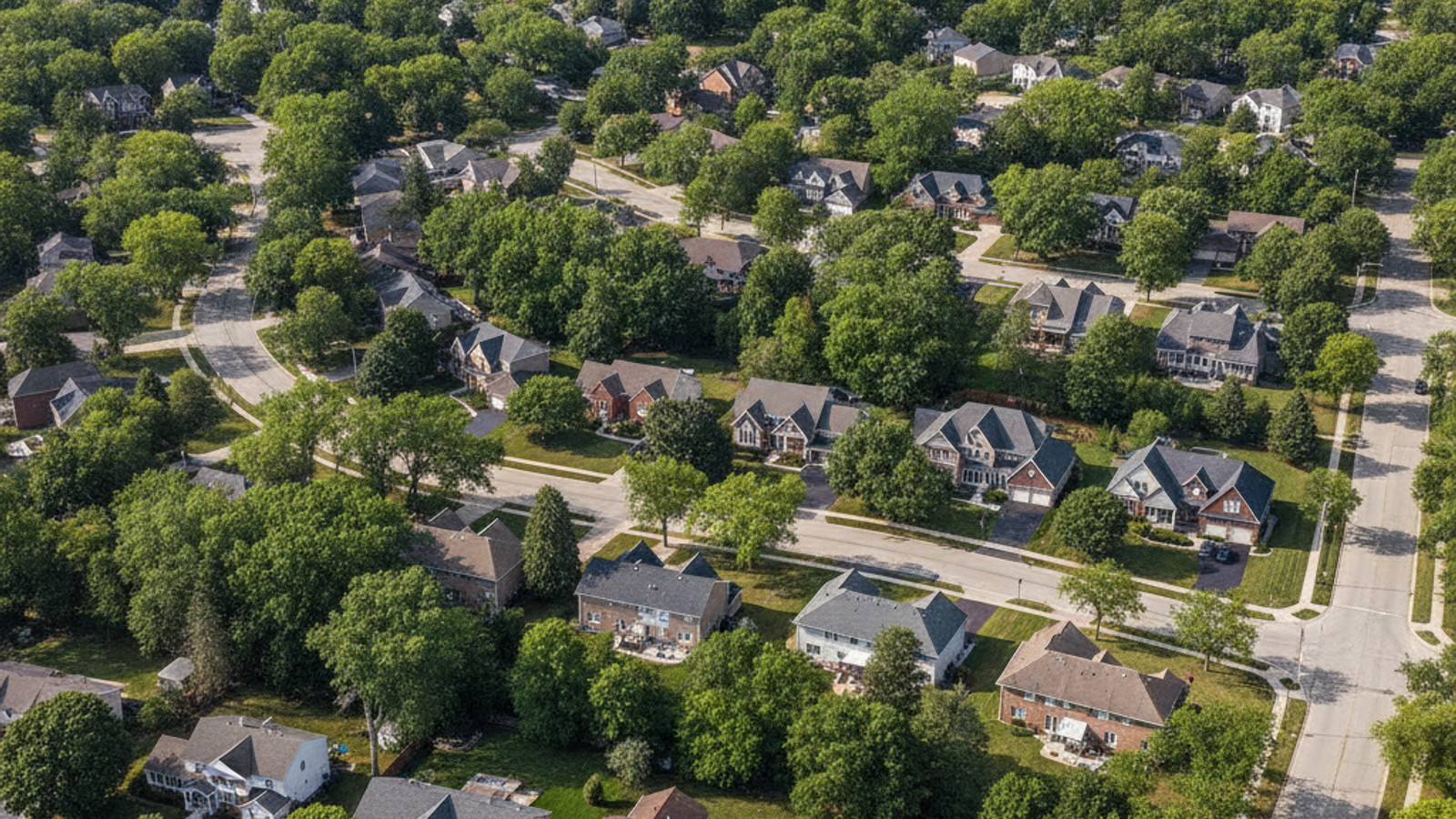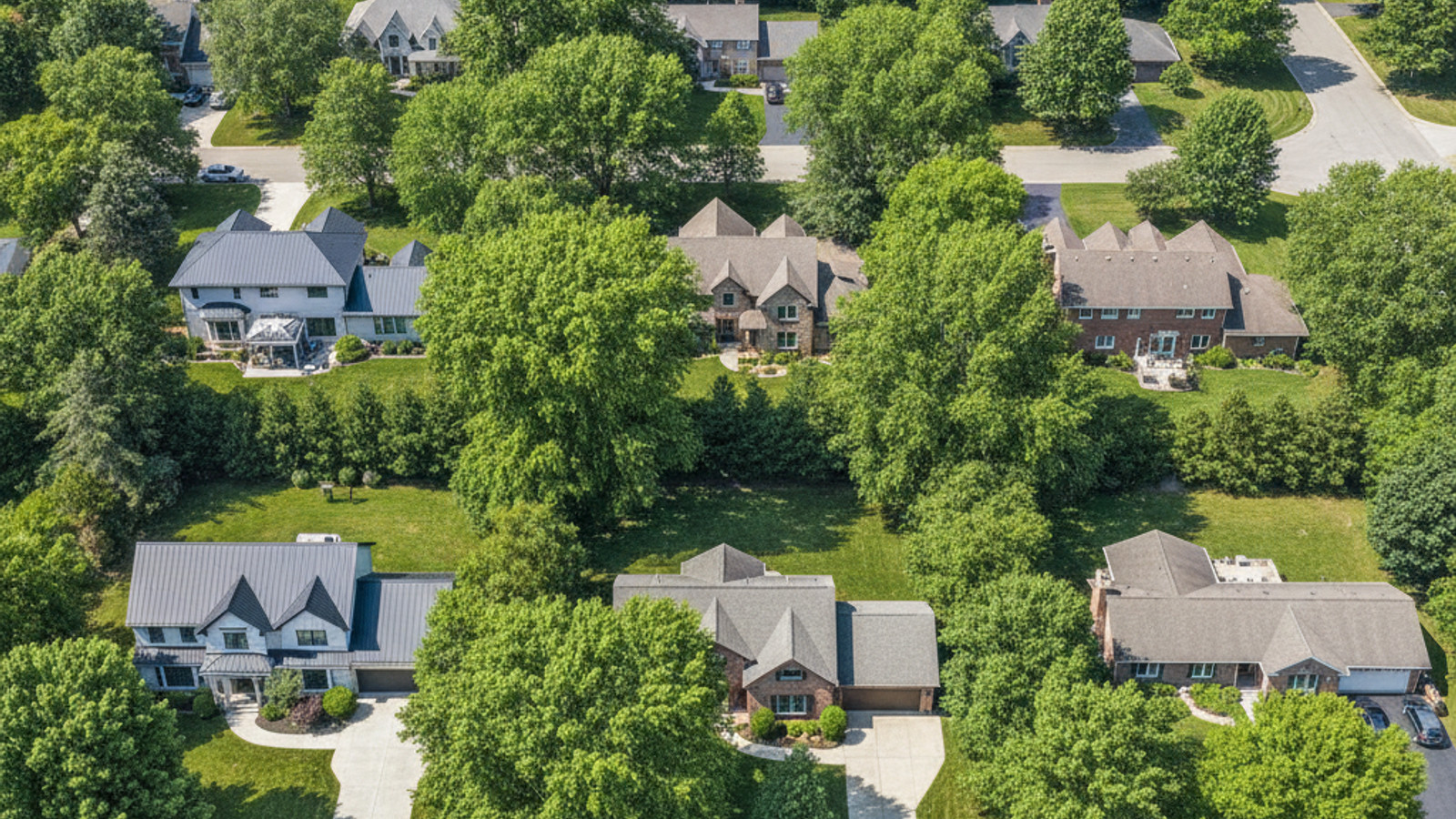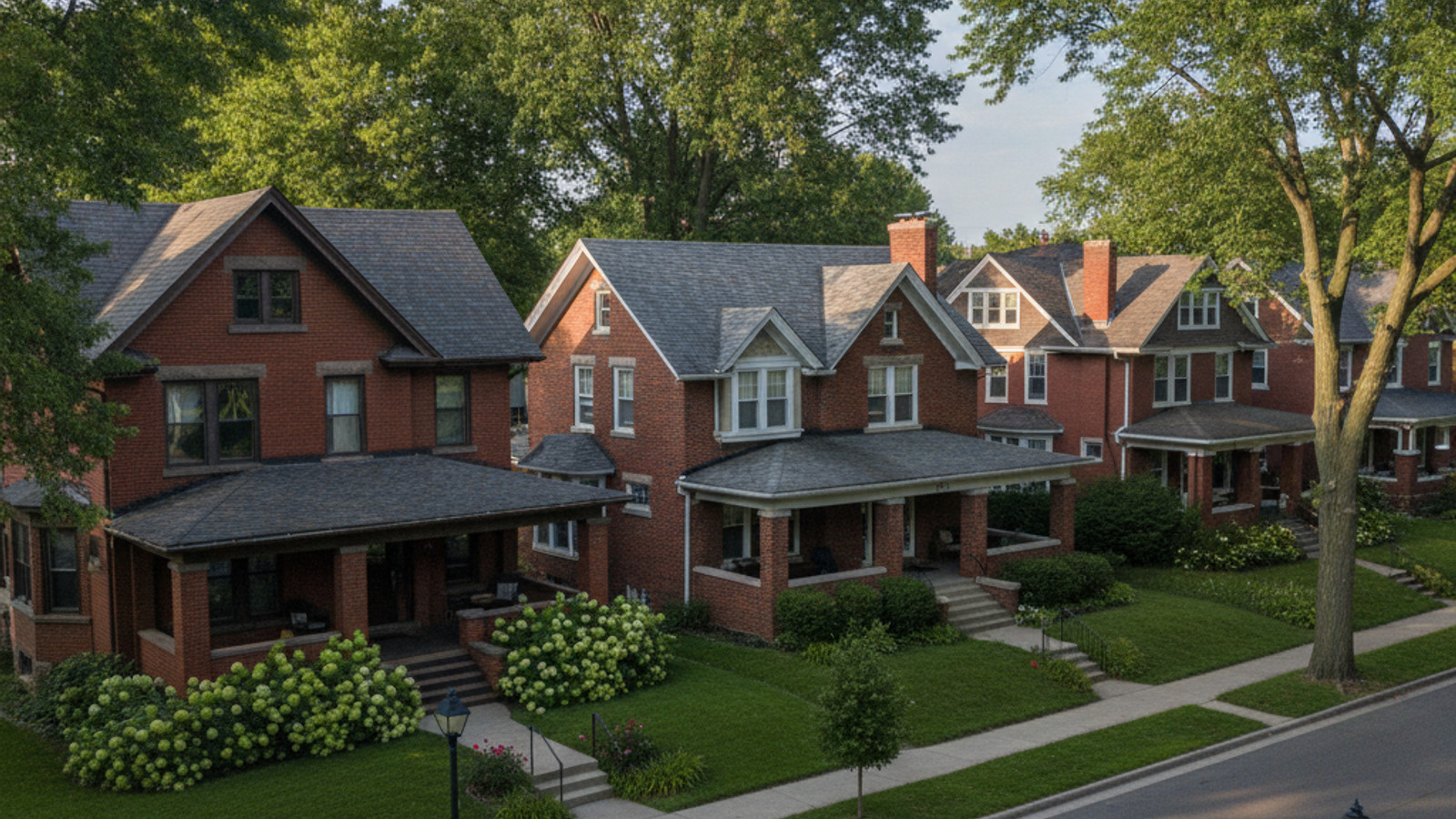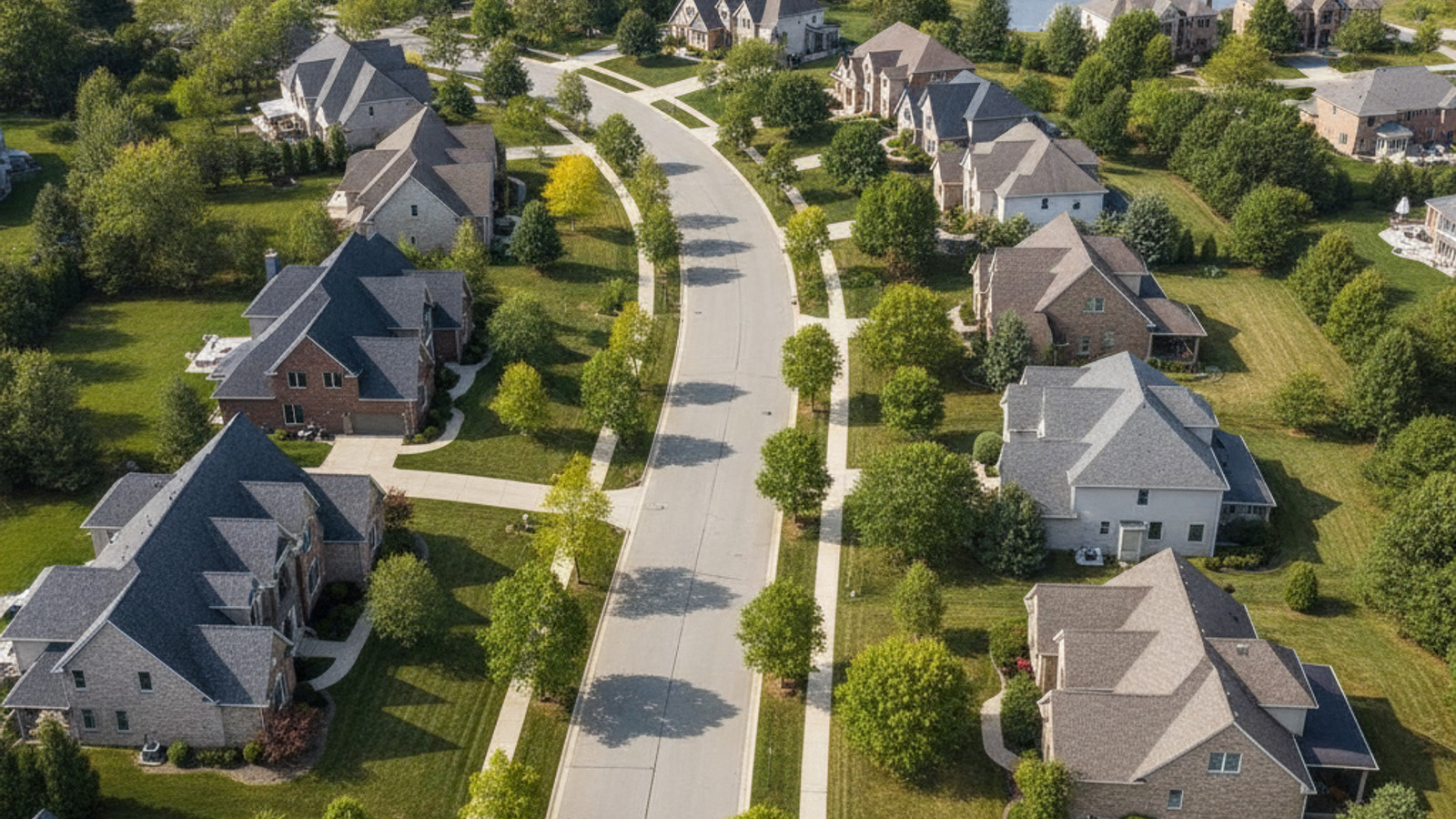
The median home sale price in Troy, MI sits right around $489,900 as of mid-2026. If you are selling a home in Troy, MI, you will find that properties are moving fast – roughly 14 days on market – and they’re regularly closing above list price.
If you’re on either side of that transaction, the cost of selling deserves a hard look before you get to the closing table. Knowing what agents actually charge here, and how those fees work, lets you budget for the real number instead of being surprised by it.
Average Realtor Fees Across Michigan
The average total real estate commission across Michigan runs about 6.2% of the final sale price – typically a 3.1% fee for the listing agent and 3.1% for the buyer’s agent. That puts Michigan on the higher end nationally. The U.S. average is around 5.7%, and Michigan’s typical range spans 5.5% to 6.2%.
What That Means for a Troy Home Sale
Run the math on Troy’s current median: 6.2% of $489,900 comes out to roughly $30,370 in total commission. That cost comes directly out of the seller’s proceeds when the property changes hands.
One thing worth keeping in mind – Troy homes are currently selling at 100.7% of list price on average. Strong demand doesn’t eliminate transaction costs, but it does mean sellers here aren’t leaving money on the table the way they might in a slower market.
Who Pays the Agent Fees in a Transaction?
Traditionally, the seller covered the entire commission out of their proceeds. The listing broker collected the full percentage and split it with whichever brokerage brought the buyer. Sellers still commonly structure things this way to attract buyers, but the mechanics have changed.
How the Broker Fee Law Changes Buyer Costs
The August 2024 NAR settlement rewrote one key rule: listing agents can no longer advertise offers of buyer-broker compensation on the local MLS. Buyers must also sign a written agreement with their agent before touring any homes – one that lays out the agent’s compensation as a flat fee, hourly rate, or percentage.
Sellers can still offer to cover the buyer’s agent off the MLS. Buyers can negotiate those fees directly or ask for seller concessions to handle the cost at closing. The flexibility is real; it just requires a conversation that didn’t used to be mandatory.
Splitting the Commission and Agent Take-Home Pay
The full commission doesn’t go straight into an agent’s pocket. It splits first between the listing brokerage and the buyer’s brokerage – that’s where the 3.1% on each side comes from. Then each agent splits their portion with their managing broker, based on whatever their individual contract says.
The Standard Brokerage Split
A common arrangement for experienced agents is an 80/20 split: the agent keeps 80%, the brokerage takes 20%. On a median $489,900 Troy sale, a 3.1% side equals about $15,185. Under an 80/20 deal, the agent takes home roughly $12,148 before taxes and business expenses.
Newer agents often start at a 50/50 or 60/40 split until they hit a certain sales volume. The exact terms depend on the agent’s contract with their office.
Negotiating Rates and Alternative Brokerages
Commissions aren’t set by law – they’re fully negotiable. You can ask a listing agent to come down on their percentage. Some will. Others offering full-service marketing, professional photography, and staging coordination will hold their rate, and honestly, that’s a reasonable position if the service level justifies it.
Some sellers ask whether a Troy agent will work for 2% on the listing side. It happens, but reduced rates sometimes come with reduced services. That’s a trade-off worth thinking through before you commit.
Flat-Fee Options in the Local Market
If you want to cut percentage-based fees, flat-fee and discount brokerages do operate in the Troy area. The model is straightforward – they put your home on the MLS for a set price rather than a traditional commission.
Luxury Living Flat Fee, based in nearby Beverly Hills, charges $249 upfront plus 1% at closing. Other local options include Modern Way Realty, Flat Fee Group, Wolverine Flat Fee MLS, and Kermath Realty LLC, which offers tiered service plans for Michigan sellers.
Additional Closing Costs for Sellers
Commission is the biggest line item, but it’s not the only one. Michigan seller closing costs add another 4.08% to 4.23% on top of that – covering title insurance, municipal recording fees, and state-mandated taxes.
Factoring in the State Transfer Tax
Michigan’s state transfer tax runs roughly 0.86% of the sale price. Stack that against title fees and the 6.2% average commission, and a seller’s total closing costs typically land somewhere between 6% and 10% of the sale price.
On a $489,900 home, you’re looking at total transaction costs anywhere from $29,000 to nearly $49,000. Before you list, ask your agent for an estimated net sheet. It turns that range into an actual number specific to your situation.
Broker Fees for Rental Properties
The rental market handles this differently than sales. When a home in Troy is rented out, the landlord typically pays the broker fee to the agent who lists the property and finds a qualified tenant – often equal to one month’s rent, though it varies by property management agreement. Renters in Michigan rarely pay a broker fee directly, though application fees and security deposits are still on them.
Estimating Your Net Proceeds
The calculation isn’t complicated. Multiply your expected sale price by 0.062 to get the commission estimate, then subtract another 4% for standard closing costs and taxes. That math gives you a solid baseline for what you’ll actually walk away with.
Adjusting for Market Conditions
Troy is sitting at just 1.8 months of supply right now. That’s a seller’s market, and it means you probably don’t need to offer large concessions to get a deal done – which protects your bottom line.
Buyers should run the same estimates so they understand what concessions they might need to ask for. Both sides make better decisions when they know the real numbers going in.
Frequently Asked Questions
What is the average real estate commission rate for selling a house in Troy, MI right now?
The average total real estate commission in Michigan is about 6.2% of the sale price. On Troy’s median home price of $489,900, that equals roughly $30,370.
As a buyer looking at homes in Troy, MI, am I now responsible for paying my own agent’s commission out of pocket?
It depends on how the transaction is structured and what you negotiate. Following the 2024 rule changes, buyers must sign an agreement detailing their agent’s fee, but you can still ask the seller for concessions to cover that cost at closing.
Is it possible to negotiate a lower Realtor commission when selling a higher-priced home in the Troy market?
Yes – commissions are fully negotiable and not set by law. You can negotiate the percentage with a traditional agent or use a flat-fee brokerage like Modern Way Realty or Flat Fee Group.
Are real estate commissions deducted directly from my proceeds at closing, or do I have to pay them upfront when listing my Troy home?
Traditional percentage-based commissions come out of the seller’s proceeds at closing. Some flat-fee brokerages do require an upfront payment – Luxury Living Flat Fee charges $249 at the start, for example.
Are flat-fee MLS services a viable alternative to paying traditional real estate commissions in Troy?
Several operate in the area, including Wolverine Flat Fee MLS and Kermath Realty LLC. They list your home on the MLS for a set price, which reduces your overall percentage costs at closing.
What happens to the real estate commission if the buyer backs out of my Troy home sale right before closing?
If the transaction doesn’t close, the traditional commission generally isn’t paid. Agents typically earn their fee only once the sale is finalized and the property officially changes hands.