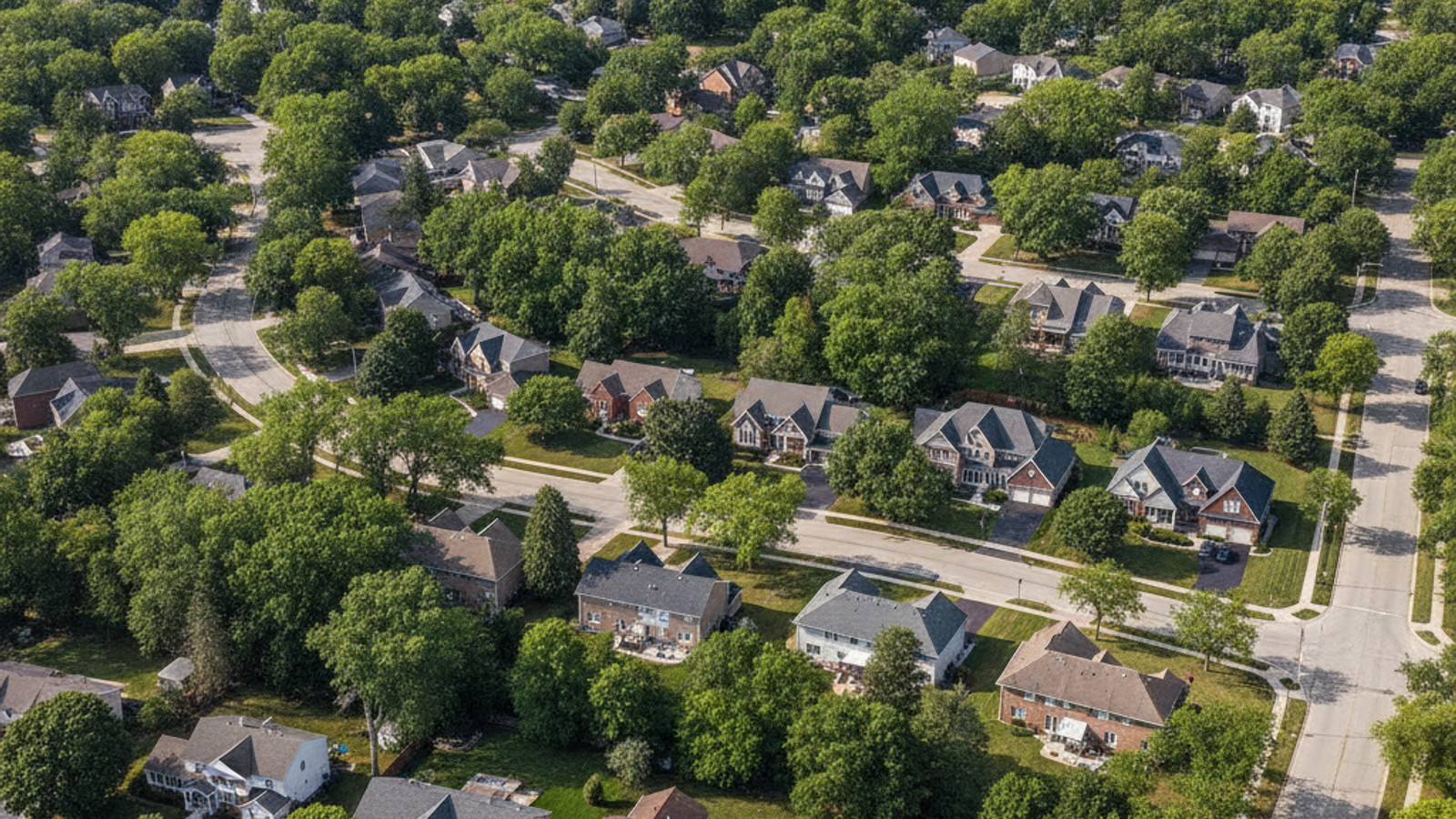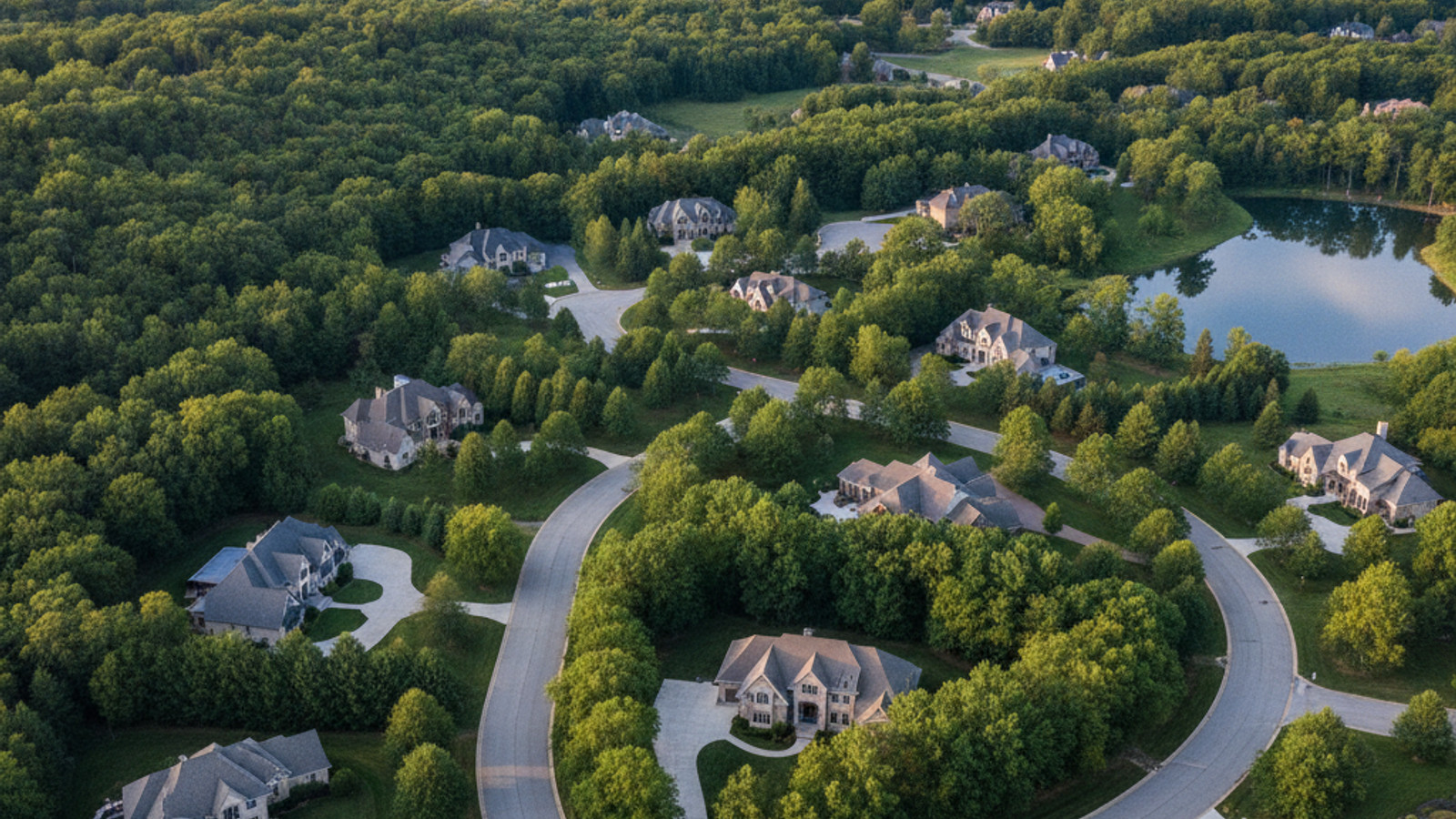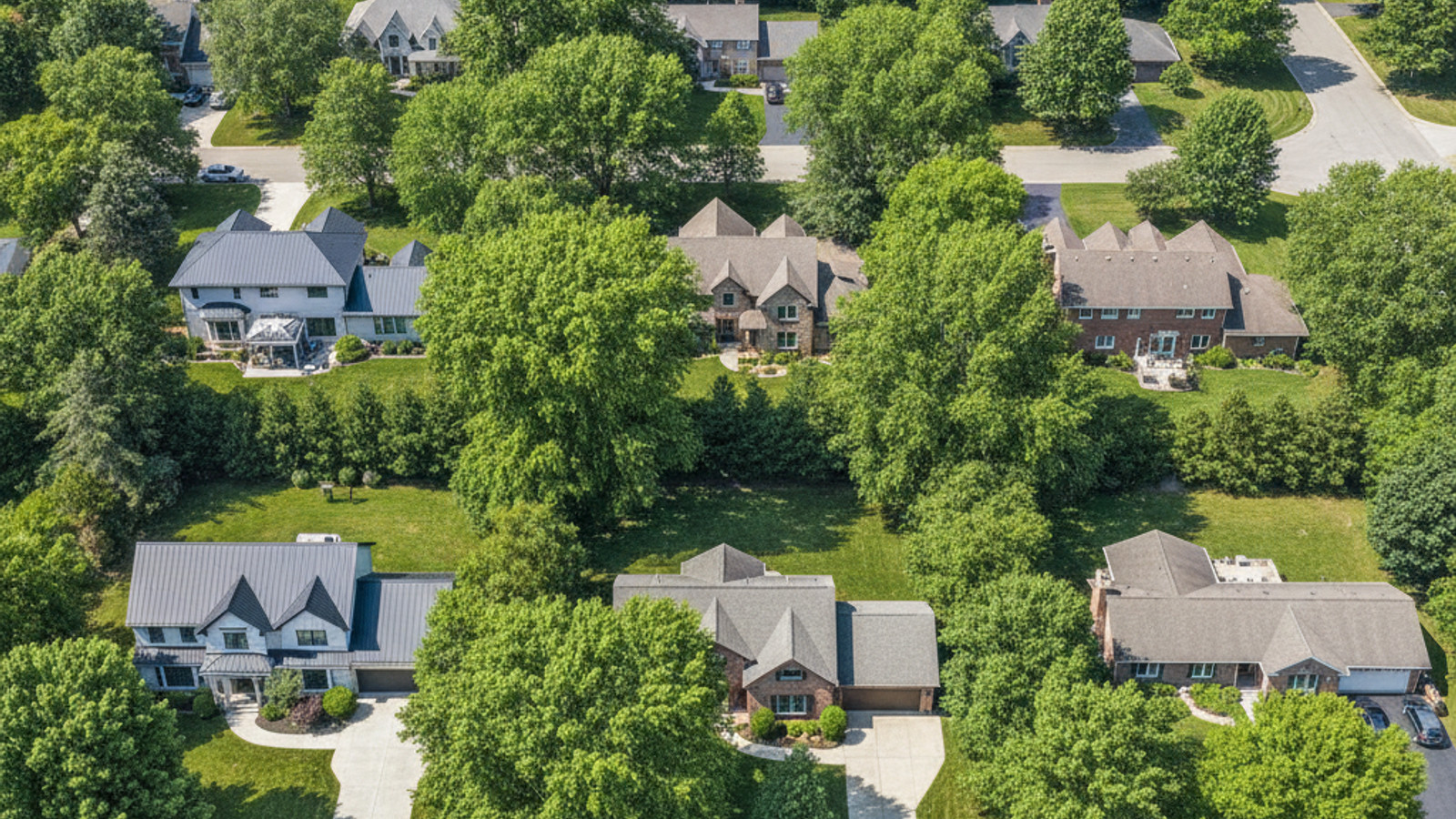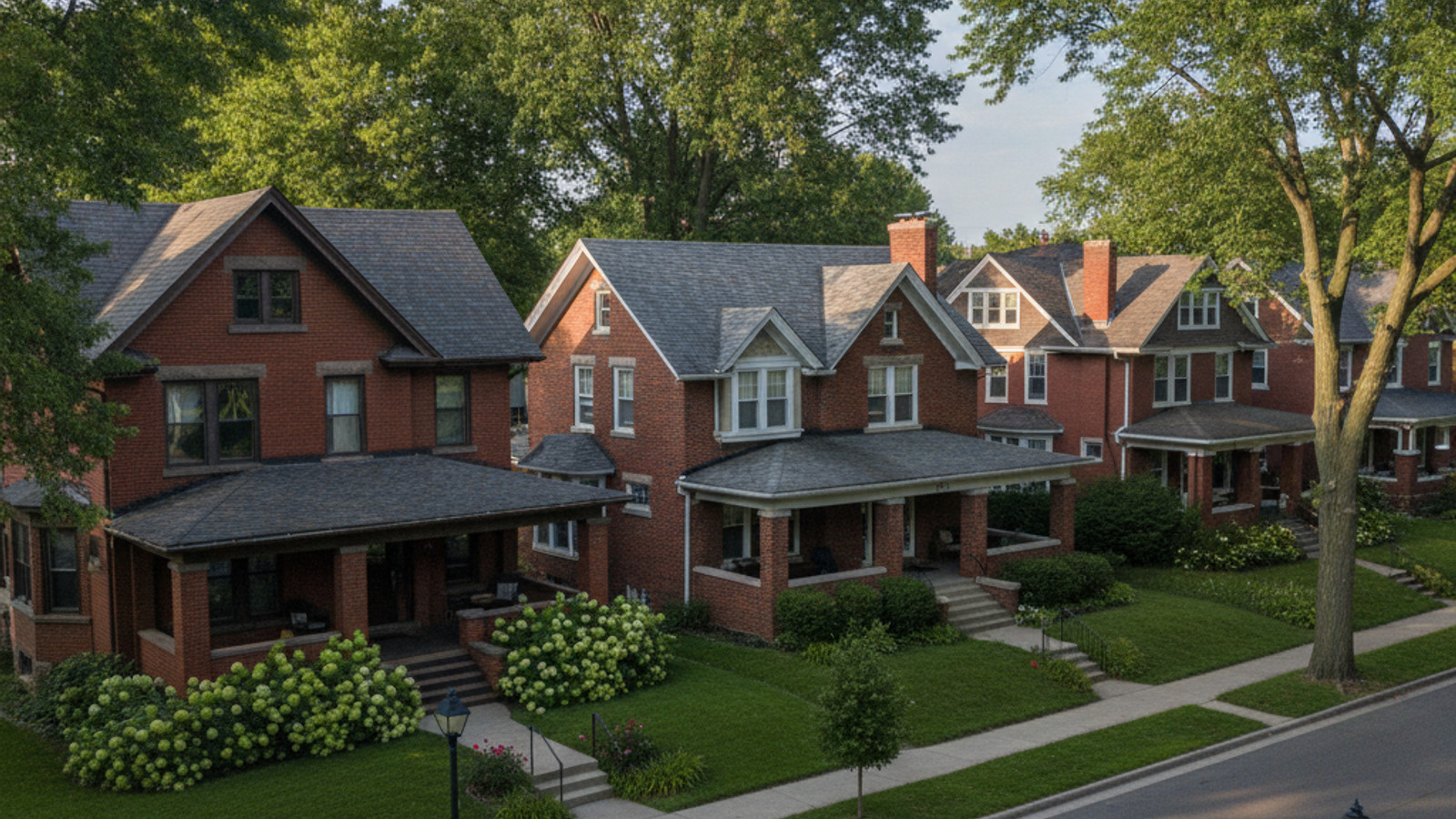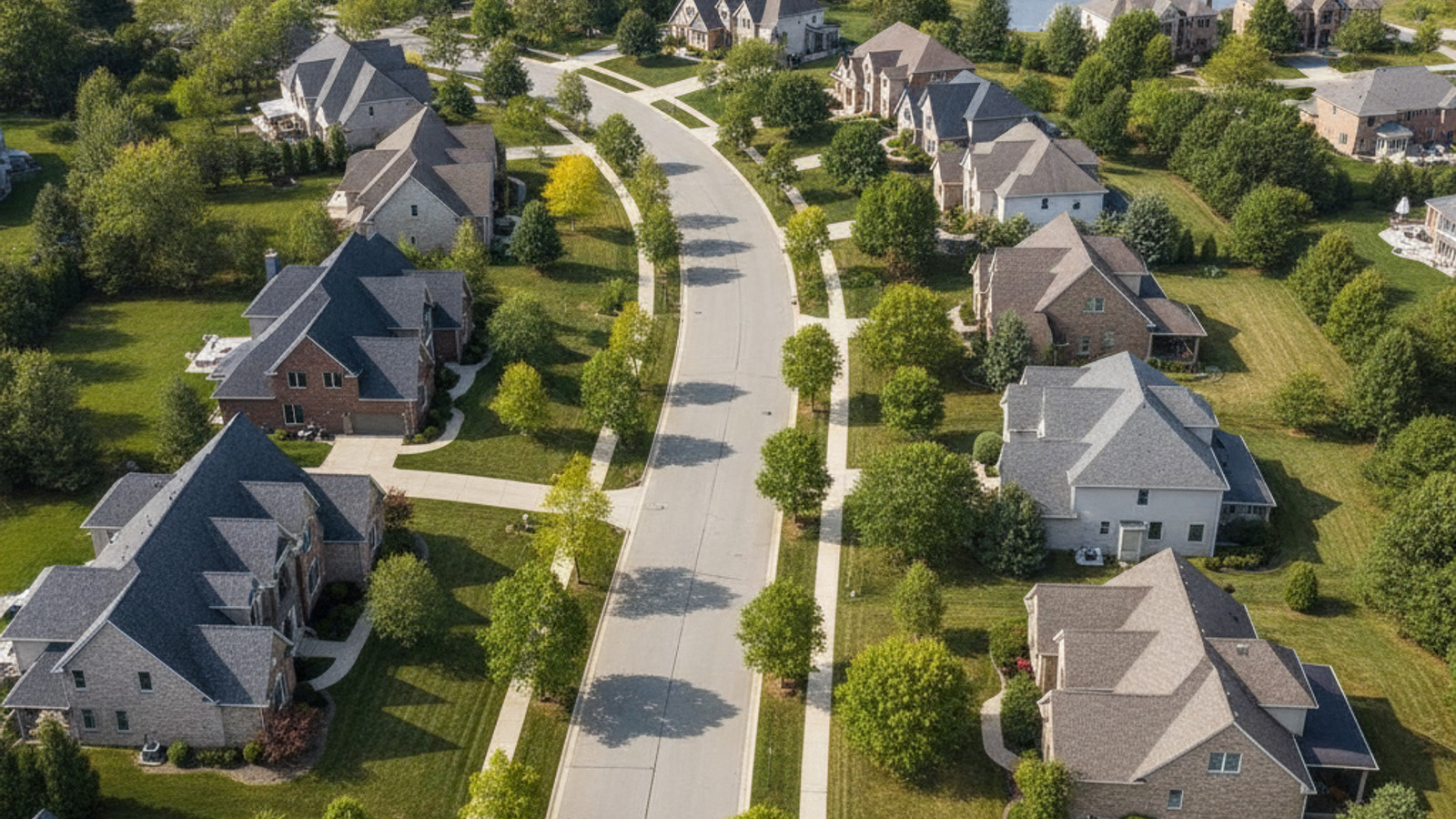
The market for new home developments in rochester hills mi has reached an interesting turning point as we move through the spring of 2026. Buyers searching for fresh construction are finding a landscape defined by highly customized builds and specialized community planning. Securing a new home here requires understanding the specific timelines and builder requirements that shape the current market.
Land availability in Oakland County has steadily tightened over the past few years, making raw buildable acreage in the city increasingly rare. This scarcity means developers are maximizing their remaining parcels with premium features and innovative floor plans. Navigating these options demands a strategic approach to lot releases and a clear grasp of what local builders are offering this year.
The 2026 Landscape for New Home Developments in Rochester Hills, MI
The current real estate market for new construction in the area is characterized by high demand and a noticeable shift in development styles. Because large tracts of undeveloped land are nearly exhausted, builders are focusing heavily on boutique communities and master-planned neighborhoods rather than sprawling subdivisions. This shift means buyers often face competitive lot reservation processes when new phases open.
Purchasing a newly built home in 2026 requires setting realistic expectations regarding timelines. While some builders offer quick move-in inventory homes that are already under construction, a fully customized to-be-built home typically requires a longer waiting period. Buyers should anticipate a timeline of eight to fourteen months from the initial contract signing to the final walkthrough, depending on the complexity of the build and material availability.
Top New Construction Neighborhoods and Builders
The primary developers shaping the local area today range from large-scale production builders to specialized luxury craftsmen. These companies are transforming the remaining buildable parcels into distinct neighborhoods with specific architectural guidelines. Understanding the variation between a national builder’s streamlined process and a local developer’s custom approach is essential for buyers.
Production builders typically offer a set portfolio of floor plans with structured design choices, which can help streamline the construction timeline. In contrast, local luxury developers provide extensive customization options, allowing buyers to dictate everything from structural modifications to bespoke interior finishes. Both approaches are currently active in the city, offering distinct paths depending on a buyer’s budget and desired level of involvement.
Stoney Creek Crossing by Lombardo Homes
Stoney Creek Crossing is a significant 140-home community spanning 250 acres within the Rochester Community Schools district. This expansive neighborhood offers a mix of single-family and ranch floor plans, with square footage ranging from roughly 2,700 to over 4,400 square feet. Base pricing in this development currently starts in the mid-$800,000s.
Lombardo Homes utilizes a structured lot release system for this neighborhood, meaning parcels are made available to buyers in specific phases. This phased approach helps manage construction volume but requires buyers to stay closely connected with the builder’s sales team to secure their preferred location.
Luxury Estates by JBK Homes
For buyers seeking high-end custom developments, JBK Homes is preparing to open pre-sales for new estate-sized projects in the northwest section of the city. These upcoming developments focus on premium finishes, expansive lot sizes, and fully custom architectural designs. Base pricing for these luxury custom estates currently starts around $2,000,000.
Working with a luxury builder at this price point means buyers have near-total control over the design process. The generous lot dimensions in these specific developments allow for substantial footprints, extensive outdoor living spaces, and multi-car side-entry garages.
Neuro-Inclusive Living at Walton Oaks and Auburn Oaks
The area is also seeing innovative neighborhood designs, highlighted by a unique partnership between Oakland County, Rochester Housing Solutions, and Three Oaks Communities. The Walton Oaks neighborhood features 11 ranch homes situated on 0.32-acre lots, with three specific residences reserved and customized for adults with developmental disabilities. This neuro-inclusive approach integrates specialized housing directly into a traditional subdivision setting.
Following this model, the upcoming Auburn Oaks mixed-use development will expand these inclusive living options. This slated project will include five townhomes, 40 condominiums, and nine single-family homes. The integration of various housing styles within one community creates diverse ownership opportunities while maintaining a cohesive neighborhood design.
Home Types, Floor Plans, and Current Pricing
The variety of property types available in the local market caters to different spatial needs and architectural preferences. Buyers can find everything from traditional colonial layouts and single-story ranch homes to modern modular construction options. Typical square footage across these new developments runs from approximately 1,900 square feet for a streamlined layout to well over 4,000 square feet for luxury builds.
Current 2026 pricing expectations vary significantly based on the builder, the neighborhood, and the level of customization. Entry-level or smaller footprint new builds generally start in the $500,000s, though these options are becoming less common as land values rise. Mid-tier production homes typically fall between $700,000 and $900,000, while custom estates easily exceed the $1,500,000 mark.
It is important to note that advertised base prices rarely represent the final cost of a new construction home. Premium lot premiums, structural upgrades like finished basements or sunrooms, and high-end interior finishes will quickly increase the total purchase price. Buyers should budget an additional 10 to 20 percent above the base price to account for these inevitable design center selections.
Rochester Hills Infrastructure and Commute Times
The geographic location of the city provides straightforward access to major regional employment hubs across southeastern MI. The area is bordered and intersected by major arterial roadways, specifically the M-59 corridor to the south and I-75 to the west. This infrastructure allows residents to navigate to surrounding commercial centers with relative ease.
Commuting professionals will find approximate driving times to be highly manageable from most new developments in the city. A drive to Auburn Hills takes roughly 11 minutes to cover the 6.5-mile distance, while reaching the business districts of Troy requires a brief six to 11-minute trip. Those traveling to downtown Detroit can expect an approximate 32-minute drive for the 25-mile commute, depending on rush hour traffic.
Beyond personal vehicle travel, the area is supported by regional transit options that connect Oakland County. The SMART bus service operates several routes through the region, providing an alternative transportation method for daily commuting or local travel. This network adds a layer of convenience for residents who prefer to utilize public transit for specific routes.
Local Amenities and Rochester Community Schools District
New developments in the area are situated near a robust network of local amenities, shopping centers, and healthcare facilities. The Village of Rochester Hills serves as a primary retail and dining destination, featuring an open-air layout with a mix of national brands and local boutiques. For medical needs, residents have close access to comprehensive care at Ascension Providence Rochester Hospital.
Outdoor recreation is a major feature of the city, with extensive parks and trail systems integrated throughout the community. Bloomer Park offers miles of unpaved trails and a velodrome, while the Clinton River Trail provides a paved route connecting multiple municipalities. These public spaces offer residents immediate access to hiking, cycling, and nature observation just minutes from their neighborhoods.
A significant factor for many buyers is the public education infrastructure, primarily managed by the Rochester Community Schools district. It is crucial to understand that this is not a Schools of Choice district. Strict residency within the established boundary lines is required for enrollment, meaning buyers must verify the specific school assignments for their chosen construction lot before signing a purchase agreement.
Frequently Asked Questions
Where can I find new home developments or construction projects in Rochester Hills, MI?
Active 2026 listings for new construction can be found through the local multiple listing service and direct builder websites. Many developers manage their own digital lot releases and maintain VIP email lists to notify prospective buyers when new phases open. Working with a local real estate agent who tracks these unlisted projects is often the most effective way to locate upcoming neighborhoods.
Can I build a new custom home on my own lot in Rochester Hills?
Yes, independent lot development is possible, though finding vacant, buildable land requires diligence. Buyers must ensure the parcel is properly zoned for residential use and has access to necessary municipal utilities like water and sewer lines. Partnering with a custom builder who understands the local permitting process is essential for this type of independent project.
What types of new homes are available in Rochester Hills, MI, including modular or custom-built options?
The market offers a wide variety of housing styles, ranging from traditional stick-built colonials to modern single-story ranches. High-end custom builds dominate the luxury sector, while advanced modular homes are also available for buyers seeking a streamlined construction timeline. Square footage typically ranges from 1,900 to over 4,000 square feet depending on the chosen method.
Are there any neuro-inclusive neighborhood developments in Rochester Hills, MI?
The area is pioneering neuro-inclusive housing through the Walton Oaks and upcoming Auburn Oaks projects. These developments integrate specialized, accessible homes for adults with developmental disabilities directly into traditional neighborhood settings. For instance, Walton Oaks features 11 ranch homes, with three specifically customized for inclusive living alongside standard residences.