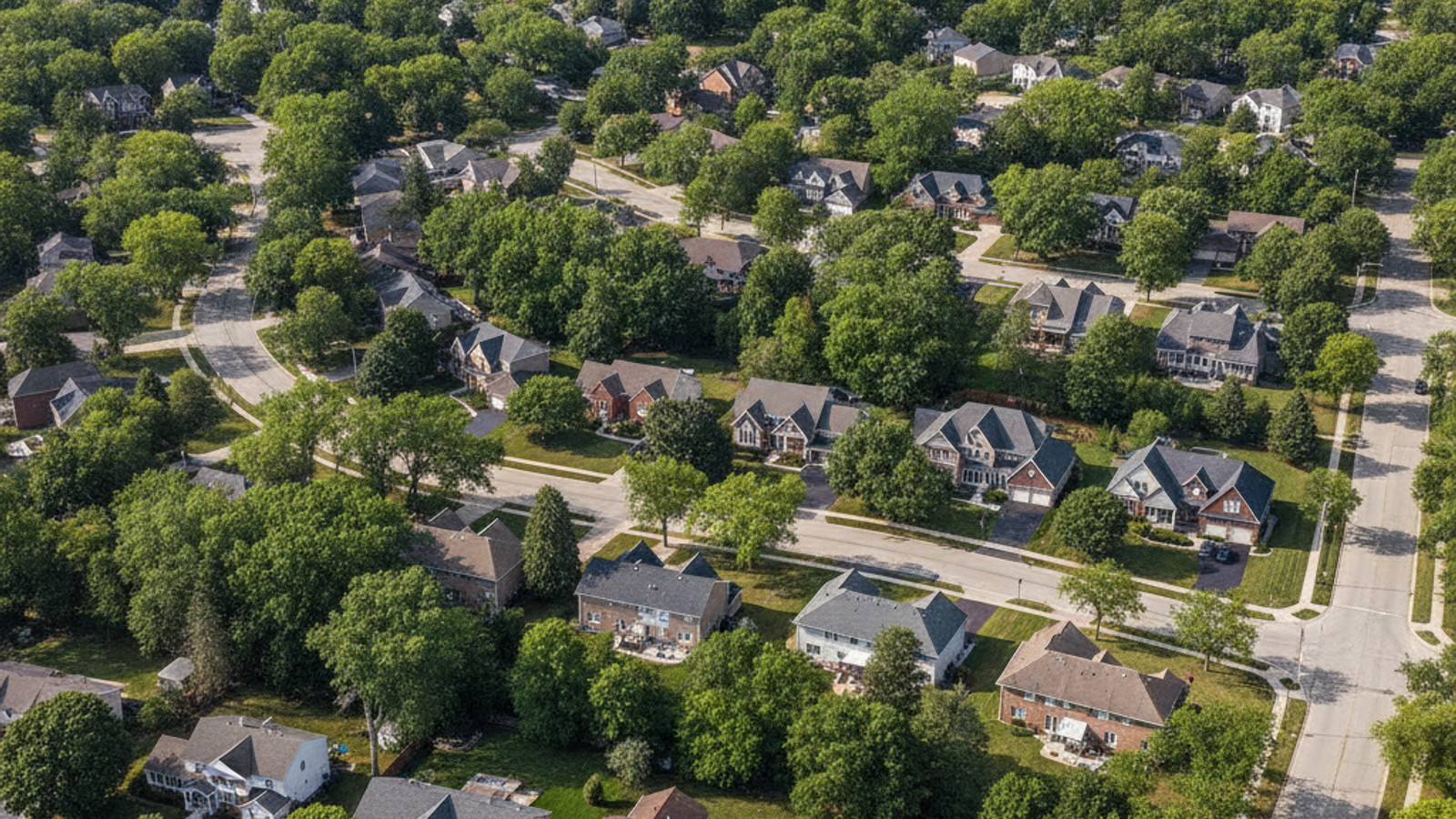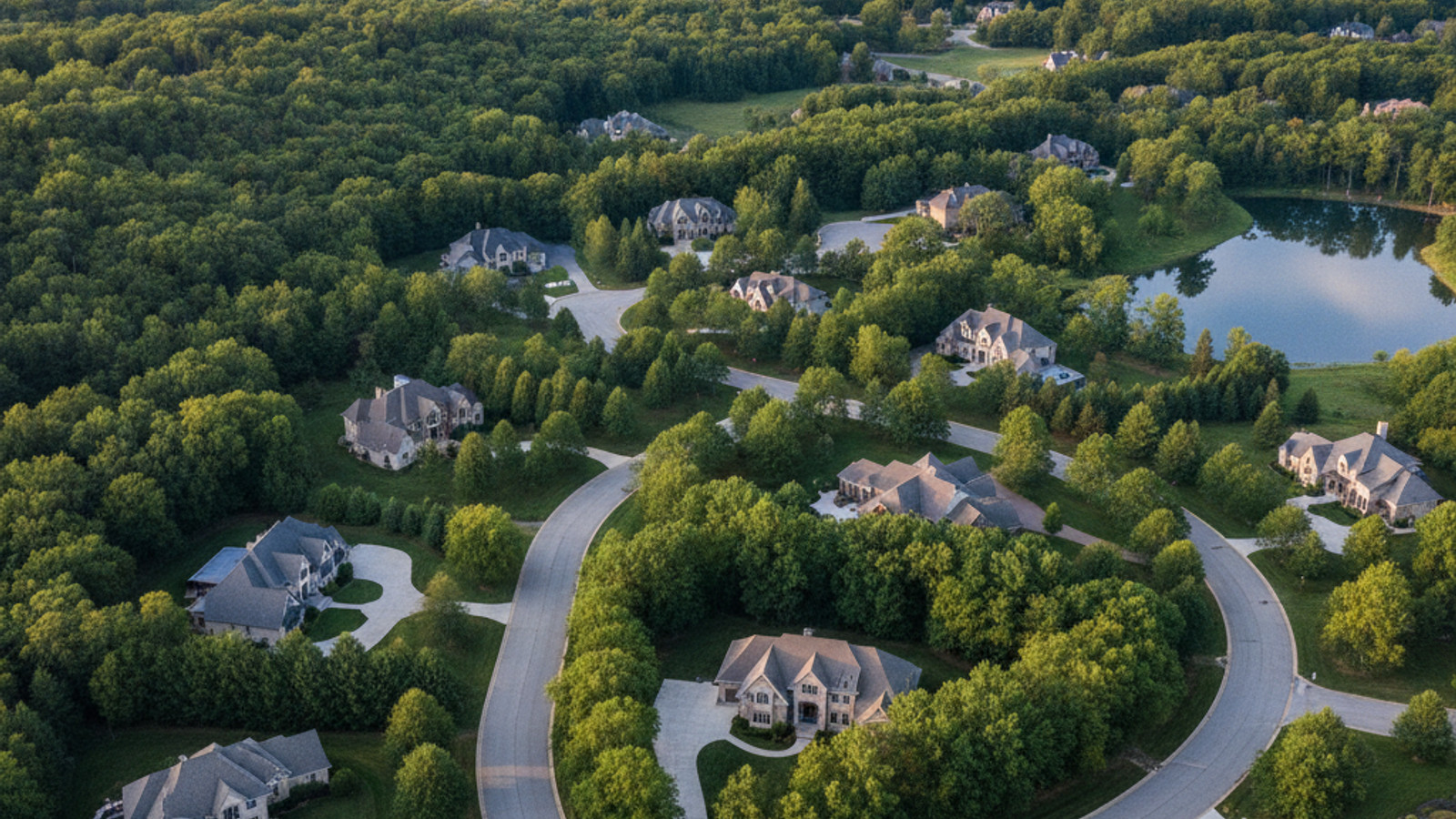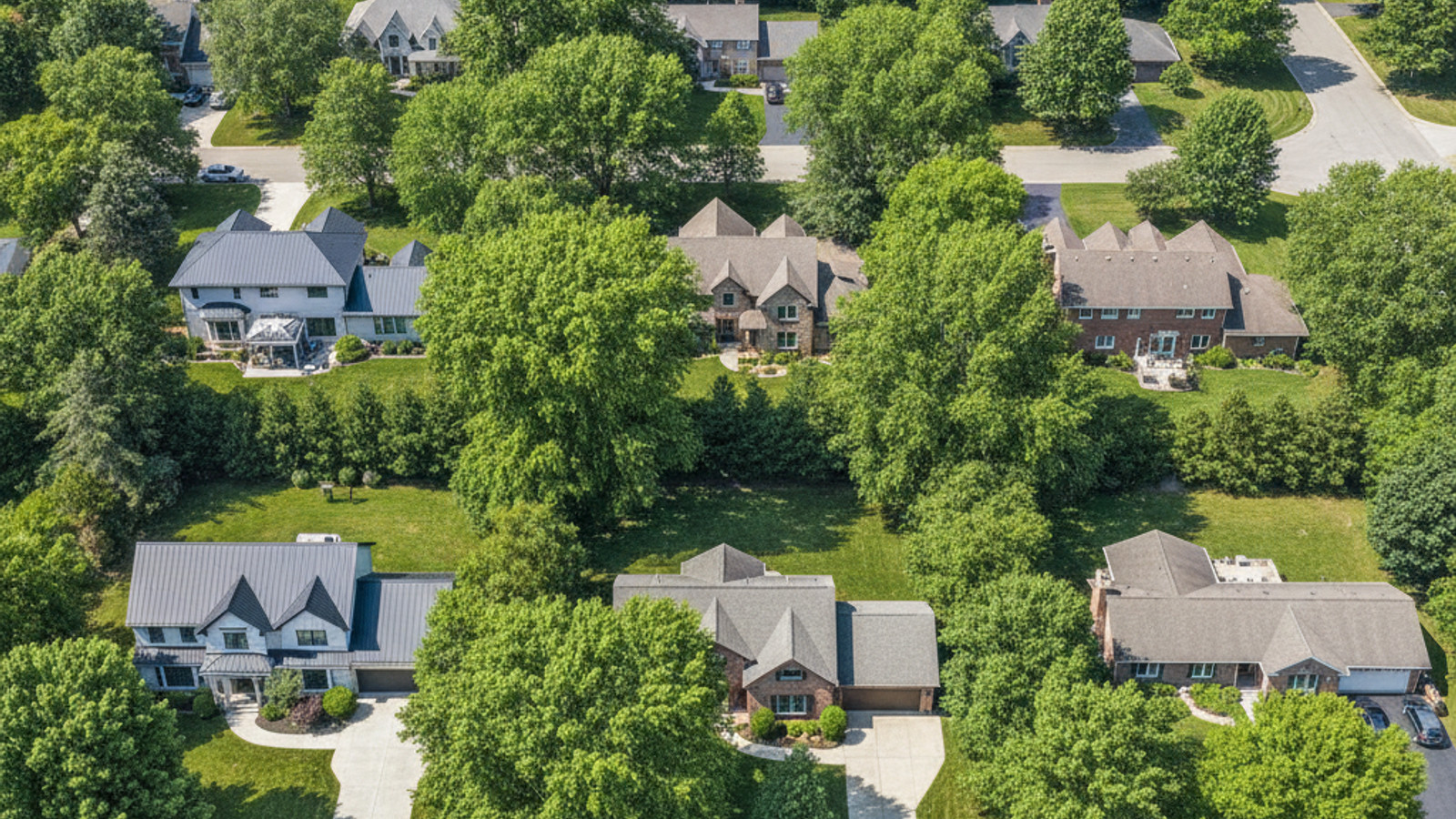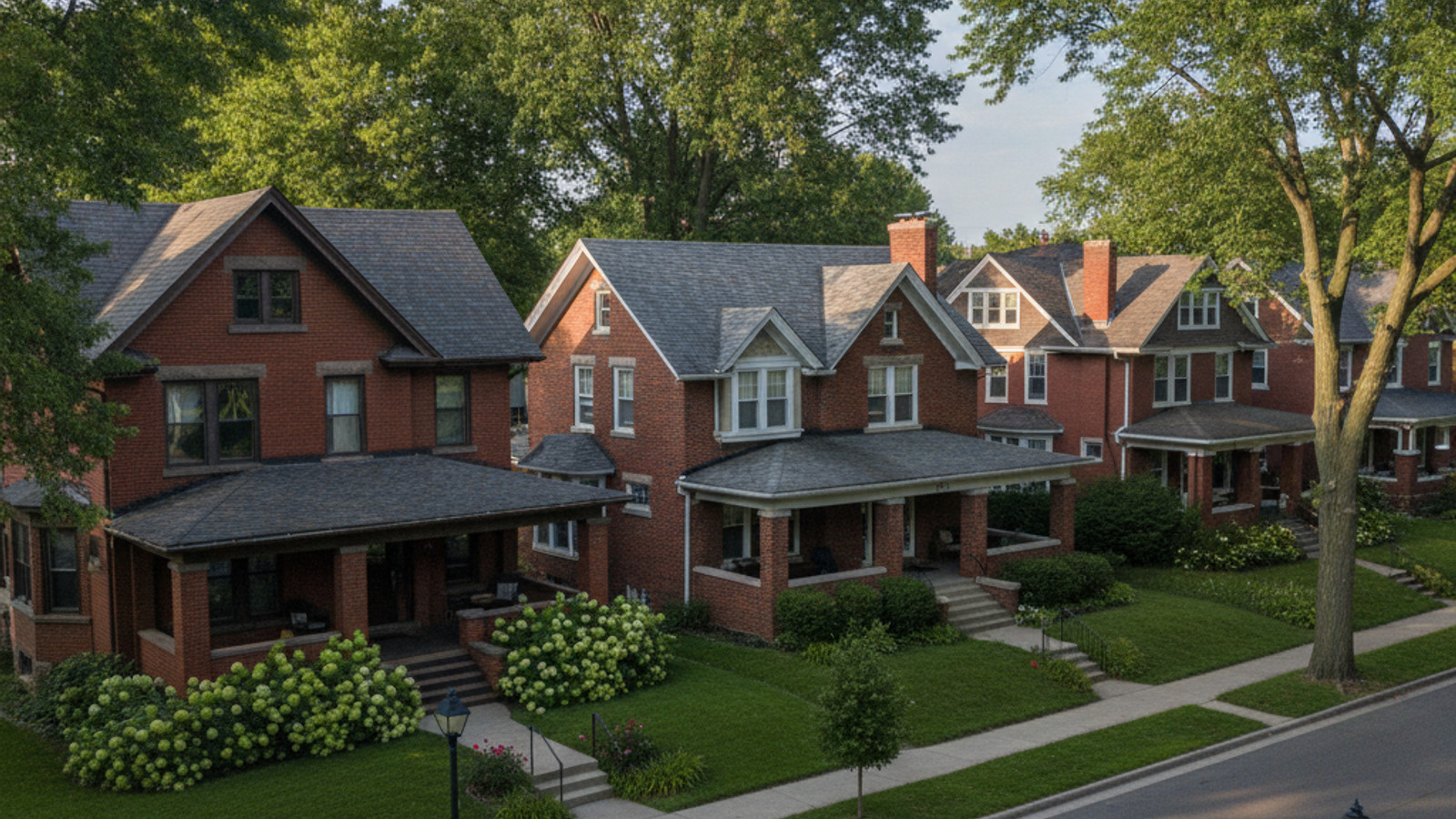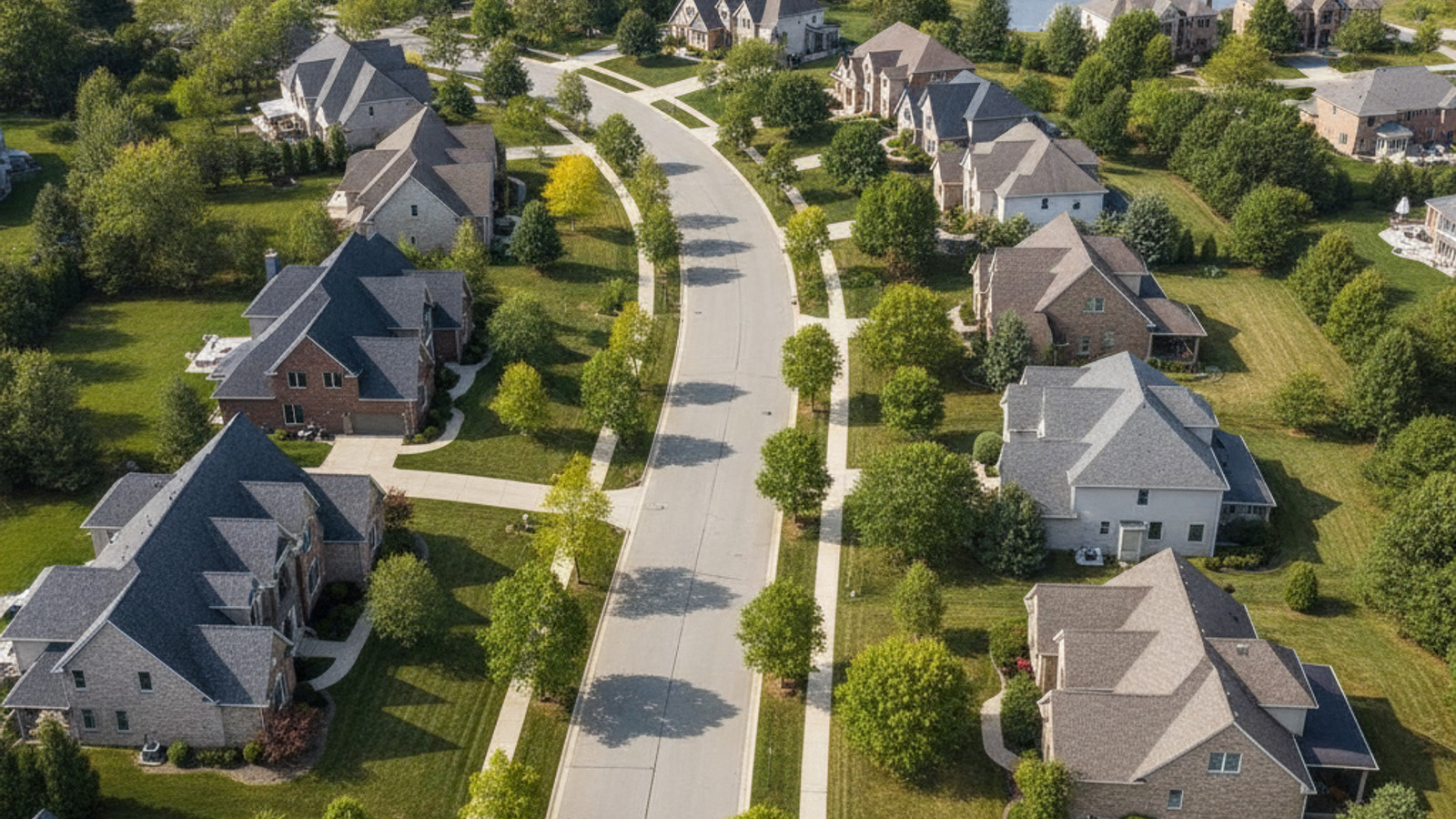
Buyers looking at Oakland County real estate often focus on the northern suburbs for their blend of mature subdivisions and established retail districts. Rochester Hills stands out as a primary destination for those relocating to the region. The housing stock here ranges from mid-century builds to modern new construction, offering varied entry points for a homebuyer.
Understanding the average cost of a home in Rochester Hills MI requires a close look at current property values and inventory levels. As we navigate the 2026 market, local home values reflect steady demand and limited new development opportunities. Knowing the numbers helps buyers set a realistic budget before touring properties or submitting offers.
Current Average Cost of a Home in Rochester Hills, MI
The median home price in Rochester Hills currently sits between $450,000 and $453,000 in early 2026. Prices have seen a steady upward trajectory, with local data showing an approximate 3.2% year-over-year appreciation rate. This continuous growth highlights the strong retention of property values across Oakland County.
Final list prices vary heavily based on lot size and interior upgrades. A spacious single-family home sitting on a full acre of land commands a significantly higher premium than moderate housing options in denser subdivisions. Features like a finished basement, luxury floor finishes, and high-end exterior siding cost more to build and directly increase the final asking price.
Pricing by Property Type: Single-Family, Townhouses, and Condominiums
Detached single-family homes are the primary driver behind the $450,000 median average cost. These properties dominate the local landscape and set the baseline for the broader real estate market. Buyers looking for an expansive dream home with custom finishes should expect prices well above this median baseline.
Townhouses and condominiums offer practical entry points for a homebuyer working with a tighter budget. Attached housing often provides the same geographic advantages at a lower initial purchase price. For those who prefer to relocate before buying, local rent prices for townhomes provide a flexible alternative while searching for a permanent residence.
Additional Homeownership Expenses in Oakland County
The purchase price is only the first part of the equation when calculating your housing budget. Ongoing carrying costs play a major role in determining your true monthly expense. Buyers must factor in local property taxes, association dues, and utility bills to get a complete financial picture.
Rochester Hills maintains a relatively moderate tax burden compared to surrounding municipalities. The city features a median effective property tax rate of approximately 0.72%, while the broader Oakland County rate can reach up to 1.32%. Understanding these variations helps buyers avoid surprises when their first tax bill arrives.
Beyond taxes, buyers should prepare for several recurring and upfront costs associated with local homeownership. These expenses vary by neighborhood but generally include the following:
- Homeowner Association Fees: Dues range from $30 to $200 annually in standard single-family subdivisions, while condominium owners typically pay $200 to $300 in monthly fees.
- Utility Expenses: Michigan winters require substantial heating, making natural gas bills and quality building insulation critical budget factors.
- Transaction Costs: Upfront expenses include the standard home inspection, local transfer tax, and potential engineering reviews for properties with private wells or septic systems.
Real Estate Market Trends in Metro Detroit
Assessing the 2026 real estate market requires looking at the broader Metro Detroit landscape. Current inventory levels remain tight across most metro areas, giving sellers a distinct advantage during negotiations. Consistent demand from online searches and buyers relocating from other parts of the country keeps competition high.
This sustained buyer interest suggests that current pricing levels represent the new normal for the region. While interest rates fluctuate, the fundamental lack of available housing stock prevents significant price drops. Buyers waiting for a massive market correction may find themselves priced out of their preferred neighborhoods.
New construction offers an alternative, but it comes with its own set of timeline challenges. Contractor and subcontractor availability remains limited, extending the time it takes to complete a build. Material costs for essential components like plumbing, electrical wiring, and custom cabinets continue to impact final builder estimates.
Objective Amenities and Educational Infrastructure
Geographic location and civic infrastructure are massive drivers of property values in Rochester Hills. The area features a robust network of retail centers, parks, and municipal services that appeal to a wide range of buyers. These objective amenities often insulate home values during broader economic shifts.
The Village of Rochester Hills serves as the primary commercial hub, offering extensive retail and dining options in an open-air setting. Outdoor recreation is equally accessible, with the Paint Creek Trail and Bloomer Park providing miles of paved and unpaved paths. Buyers also pay close attention to the Rochester Community Schools district, where specific zip code boundaries determine exact building assignments.
Commute Times to Troy, Auburn Hills, and Downtown Detroit
Transportation access is a major factor for daily commuters navigating the region. The city borders the M-59 corridor and sits just east of I-75, providing direct routes to major employment centers. Commuting by car to neighboring Troy or Auburn Hills takes approximately 10 to 15 minutes under normal traffic conditions.
Traveling further south requires a bit more planning during peak hours. Reaching downtown Detroit averages a 40 to 45-minute drive, depending heavily on road conditions and construction schedules. This moderate commute allows residents to access urban amenities while maintaining a suburban home base.
Frequently Asked Questions
Is it expensive to live in Rochester, Michigan?
Living in Rochester Hills requires a budget slightly higher than the national average, primarily due to housing costs. While the median effective property tax rate of 0.72% is manageable, utility expenses for winter heating add to the overall cost of living. However, these expenses remain lower than many high-end coastal markets in the U.S.
How much does it cost to build a 2,000 square foot home in Michigan?
Building a 2,000 square foot home in 2026 typically costs between $300,000 and $450,000, excluding the price of the land. This estimate fluctuates based on the cost of building materials, plumbing fixtures, and current subcontractor labor rates. Opting for luxury finishes or complex engineering will push the final price toward the higher end of that spectrum.
What is the average income in Rochester Hills, Michigan?
The median household income in Rochester Hills is approximately $105,000 as of early 2026. This income level aligns with the local housing market, allowing many residents to comfortably afford the $450,000 median home price. Strong earning potential in the surrounding metro areas helps sustain these local property values.