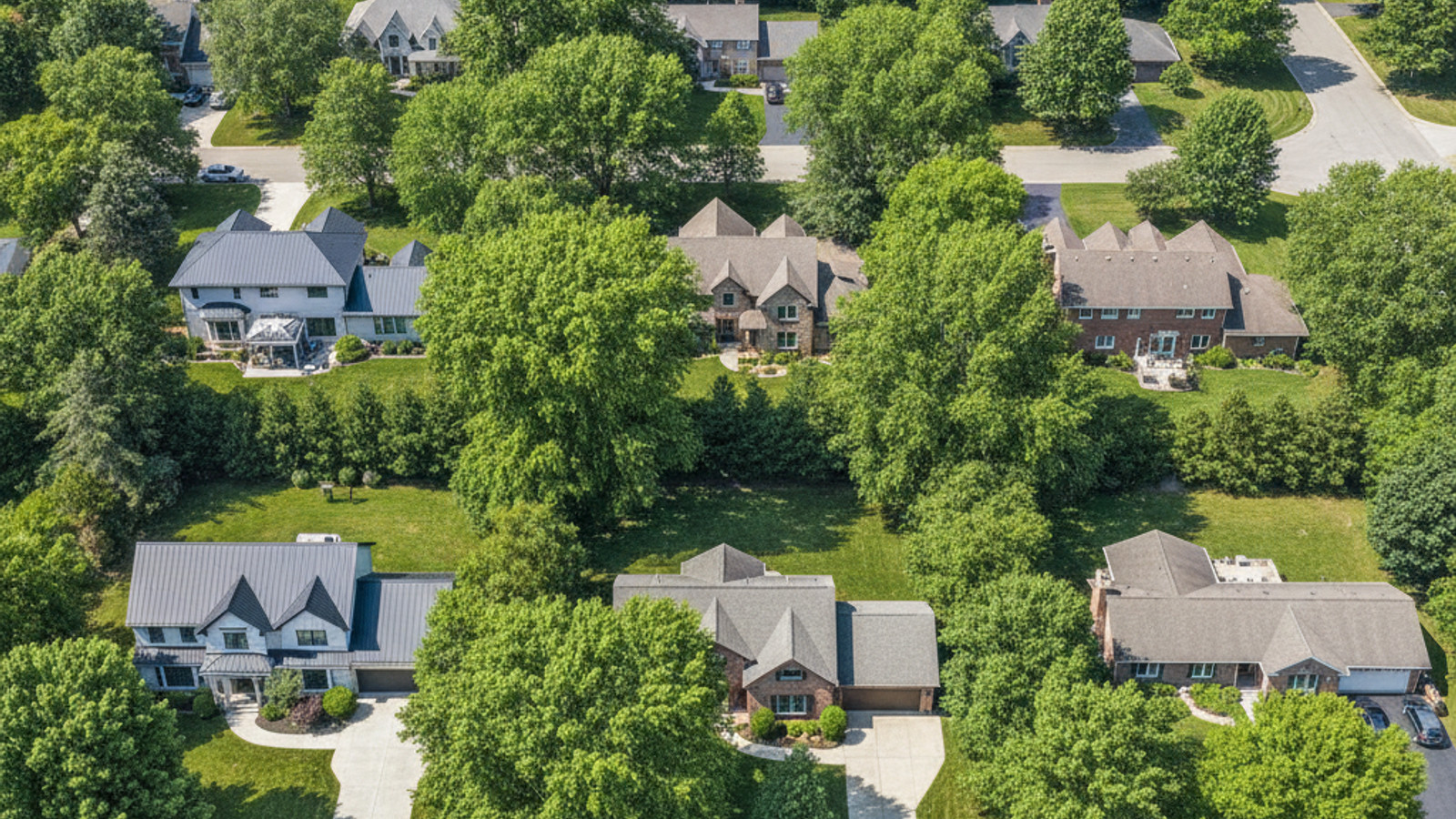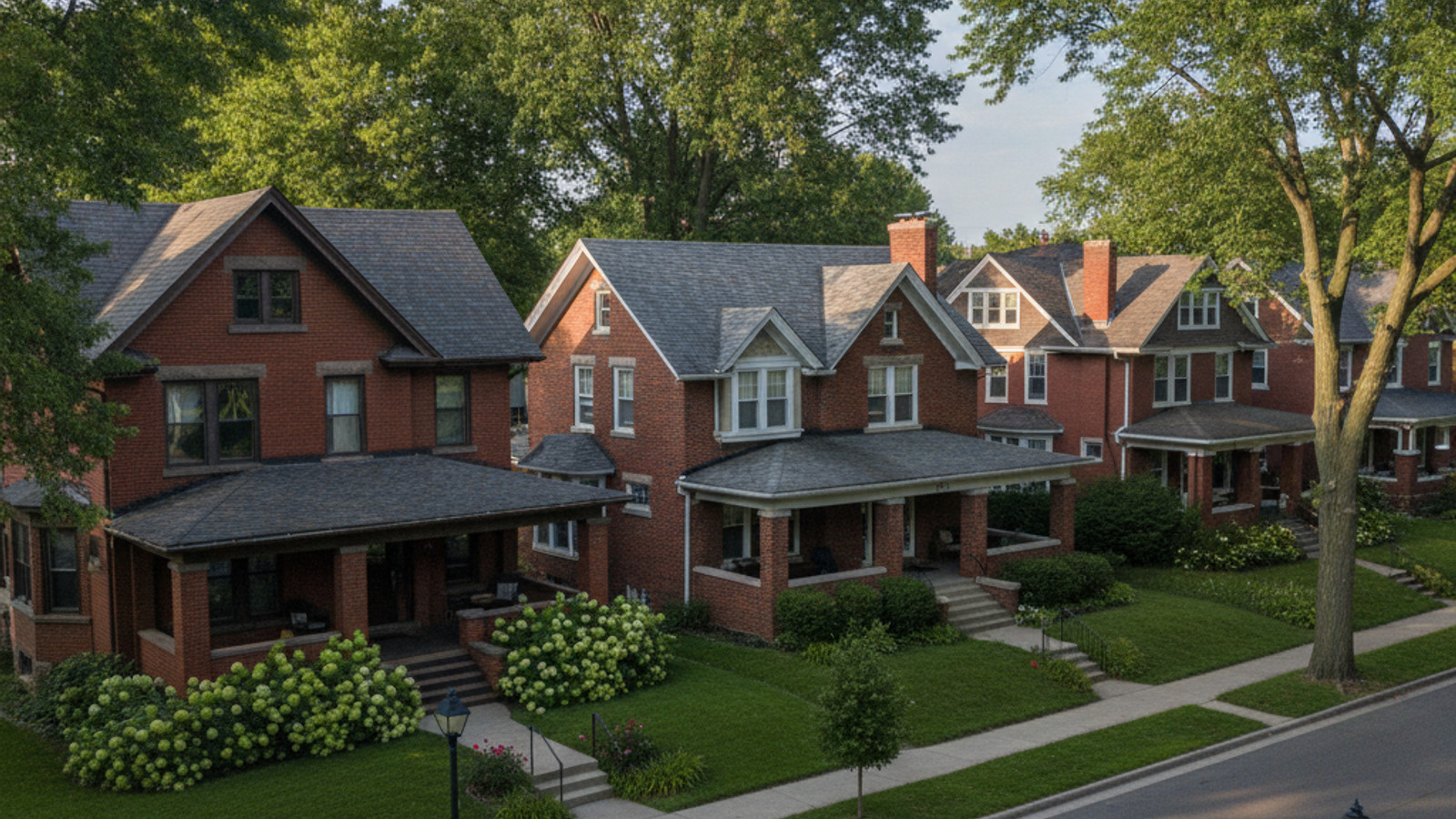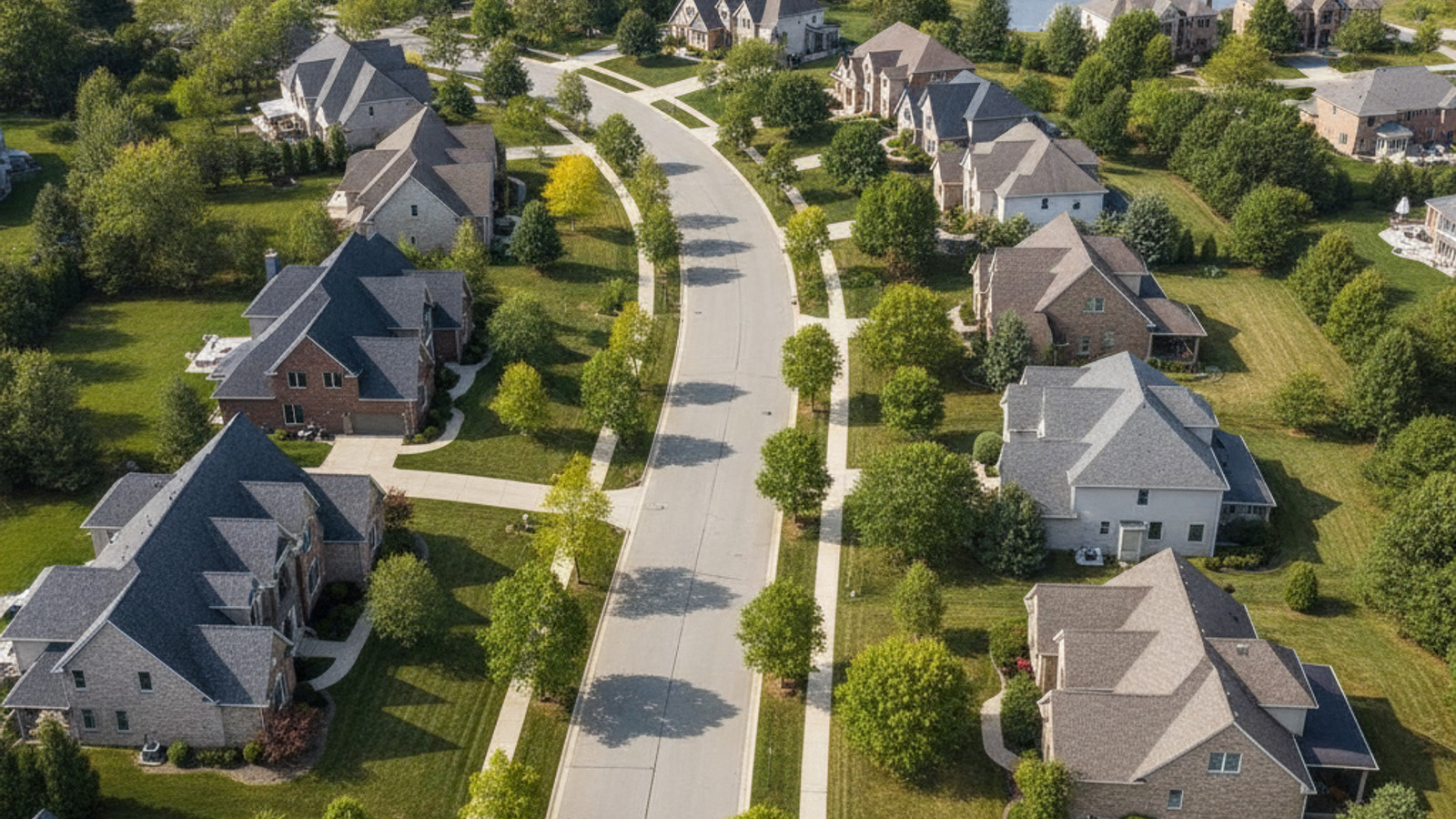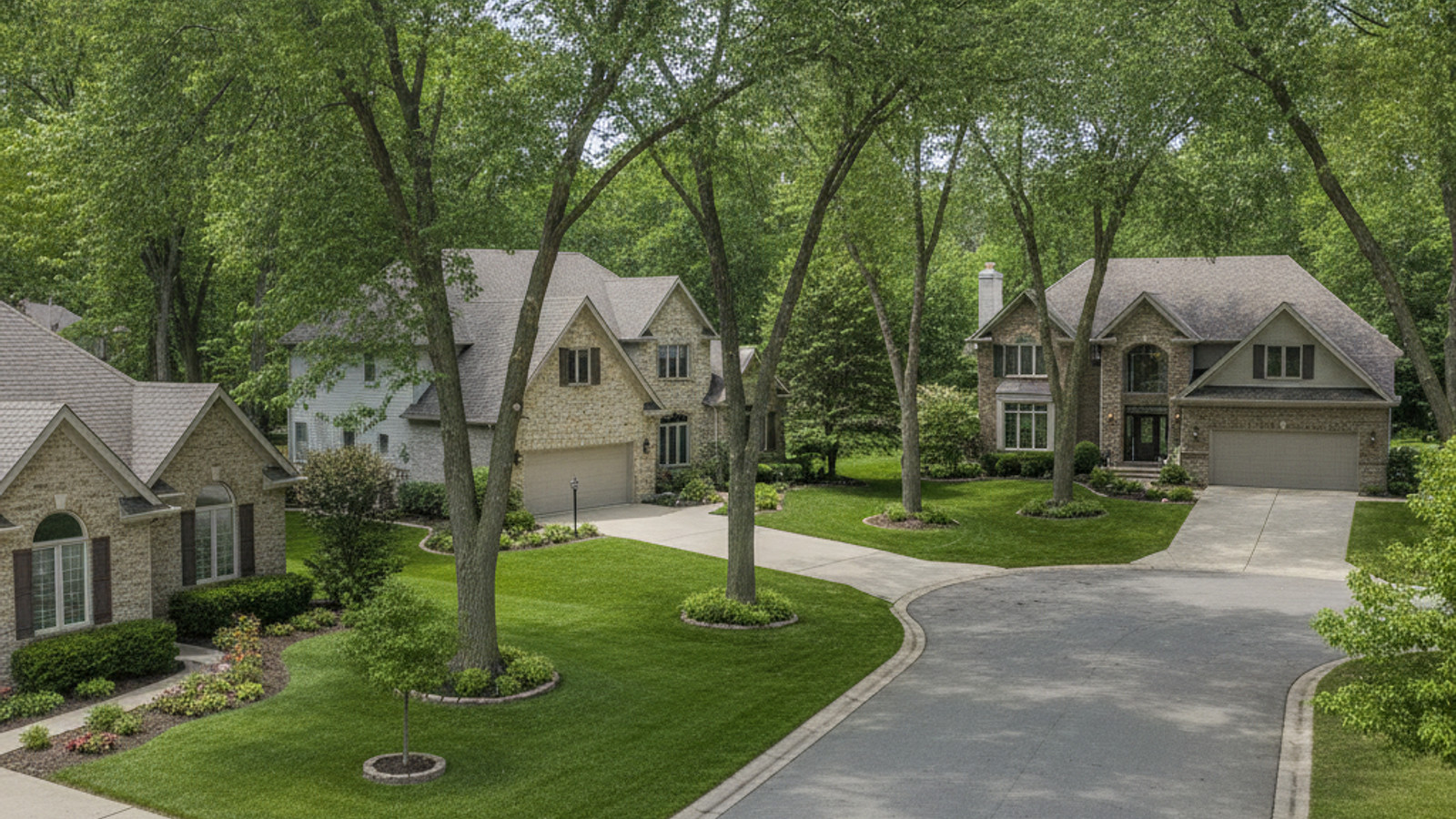
Oakland County continues to draw significant attention from property buyers looking for stable, long-term returns. Anyone looking into investing in Rochester Hills MI real estate this year will find a market defined by steady appreciation and strong tenant demand. The local economic base provides a solid foundation for both rental income and property value growth.
Navigating this specific market requires an understanding of localized property taxes, school district boundaries, and specific commuter advantages. Buyers who rely on outdated national trends often miss the nuanced opportunities available right here in our local neighborhoods. This guide outlines the objective data and strategic considerations necessary for acquiring profitable investment properties in 2026.
2026 Rochester Hills Real Estate Market Overview
The current housing landscape in Rochester Hills remains fast-paced for buyers and investors alike. As of Spring 2026, the median home price is tracking between approximately $452,450 and $465,253. This pricing tier reflects the sustained demand for housing within Oakland County.
Inventory conditions heavily favor sellers right now, with average days on the market hovering between a brisk 15 and 30 days. Properties priced accurately are moving quickly, meaning investors must be prepared with financing and clear criteria before touring homes. The rising price per square foot trend indicates that turnkey properties command a premium, while homes needing cosmetic updates offer the best margin for value-add strategies.
Historical data shows steady long-term property value growth throughout this sector of MI. Prices rose consistently through last year, and that trajectory has continued directly into the current spring market. The clear takeaway for investors is that waiting for a major pricing correction here is a losing strategy compared to securing an asset now and capturing future appreciation.
Strategic Location Advantages for Investors
Real estate values are intrinsically tied to infrastructure, and Rochester Hills benefits heavily from its strategic positioning. Commuters have direct access to downtown Detroit via I-75, while M-59 provides a crucial east-west corridor across the northern suburbs. These major transportation routes make the area highly accessible for the local workforce.
Proximity to major employment hubs directly supports steady housing demand. Oakland County hosts significant employers like FANUC, Stellantis, and Ascension Providence Rochester Hospital. Having these large-scale operations nearby ensures a consistent influx of new residents seeking housing within a short drive of their workplace.
Beyond employment, the local amenities add objective value to the real estate footprint. Residents utilize the Clinton River Trail and Bloomer Park for outdoor recreation, while the Village of Rochester Hills serves as a primary retail and dining hub. Properties located within two miles of these features consistently show shorter vacancy periods between tenants.
Types of Investment Properties Available
The residential real estate mix in this area provides multiple avenues for building a profitable portfolio. Investors can choose from traditional owner-occupied neighborhoods, dedicated rental communities, and low-maintenance attached housing. Each asset class requires a different management approach and capital commitment.
Selecting the right property type depends entirely on your specific investment strategy and tolerance for hands-on maintenance. Detached homes generally offer stronger historical appreciation, while attached units can provide a lower barrier to entry and more predictable monthly expenses. Successful local investors often balance their portfolios by acquiring a mix of both property styles across different zip codes.
Single-Family Homes and the Rochester Community Schools Impact
Single-family homes remain a cornerstone investment vehicle due to the strong demand for traditional housing. Properties located within the Rochester Community Schools boundaries experience particularly robust interest. These school district boundaries objectively correlate with higher property appreciation rates and high tenant retention over time.
The median household income levels in these specific neighborhoods support reliable, long-term rent payments. Investors purchasing three-bedroom or four-bedroom homes here often secure tenants who sign multi-year leases. This stability reduces turnover costs and protects the landlord’s overall return on investment.
Multi-Family Units and Condos
Condominiums and multi-family units present a distinct opportunity, particularly in commuter zones and areas near higher education. Properties situated close to Oakland University naturally capture a steady stream of renters associated with the campus. This creates a highly predictable leasing cycle tied to the academic calendar.
Off-site investors often favor condos due to the exterior maintenance provided by the homeowner association. While HOA fees must be factored into the monthly operating expenses, they eliminate surprise costs for roof repairs or snow removal. This predictable expense model is excellent for investors managing properties from outside of MI.
Rochester Hills Rental Market Dynamics for 2026
Analyzing the local rental yield requires a close look at current leasing data and structural holding costs. Average rent prices in 2026 generally range from approximately $1,668 to $2,262 per month, depending heavily on the property size and condition. Maximizing rental income requires offering updated kitchens, modern flooring, and in-unit laundry facilities.
Property taxes are a major factor in calculating net operating income for any Michigan investment. Rochester Hills features a favorable median effective property tax rate of roughly 0.72%, which is lower than several neighboring municipalities. This lower tax burden directly improves monthly cash flow for landlords.
Investors must also stay compliant with current Michigan landlord-tenant regulations, which dictate security deposit limits and eviction procedures. Structuring your lease agreements carefully and screening tenants thoroughly are non-negotiable steps for protecting your asset. A proactive rental strategy combined with the area’s favorable tax rate creates a highly viable environment for long-term wealth generation.
Frequently Asked Questions
Are there any signs of house prices dropping in 2026 in Michigan?
Current market indicators do not point to a significant drop in house prices across the state this year. With average days on the market in Rochester Hills sitting between 15 and 30 days, buyer demand continues to outpace available inventory. This persistent shortage of homes for sale keeps property values stable and trending upward.
What is the hardest month to sell a house in Rochester Hills?
January is typically the most challenging month to close a real estate transaction in this region. Winter weather conditions slow down foot traffic, and buyers are generally less active immediately following the holidays. However, properties that do list in January face less competition, which can sometimes offset the lower volume of showings.
Is Rochester Hills, Michigan a wealthy area?
The city features strong economic indicators, including high median household incomes and robust property values. The median home sale price ranging from approximately $452,450 to $465,253 reflects the strong purchasing power of the local population. This solid economic foundation is supported by proximity to major corporate employers and extensive commercial infrastructure.