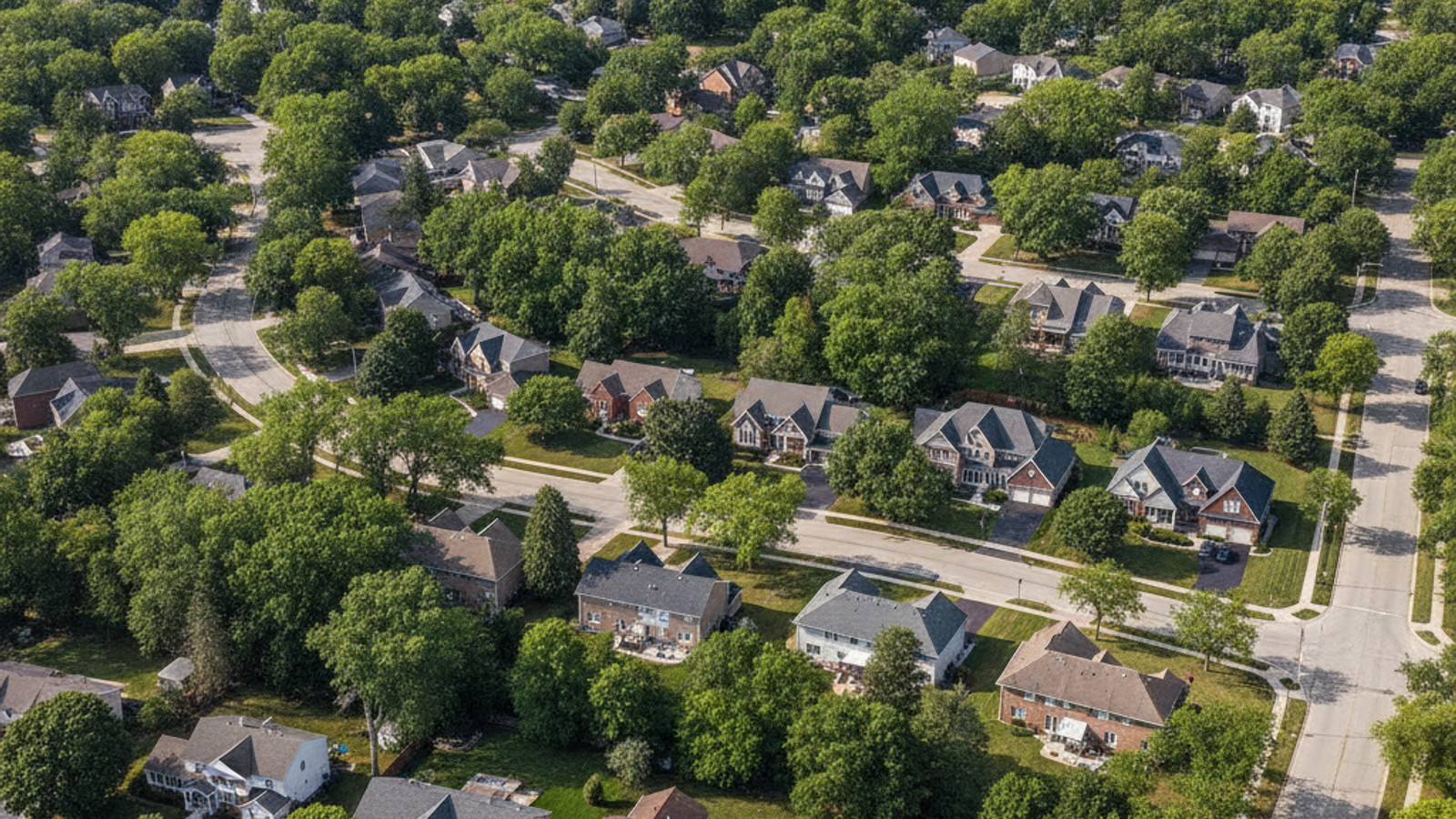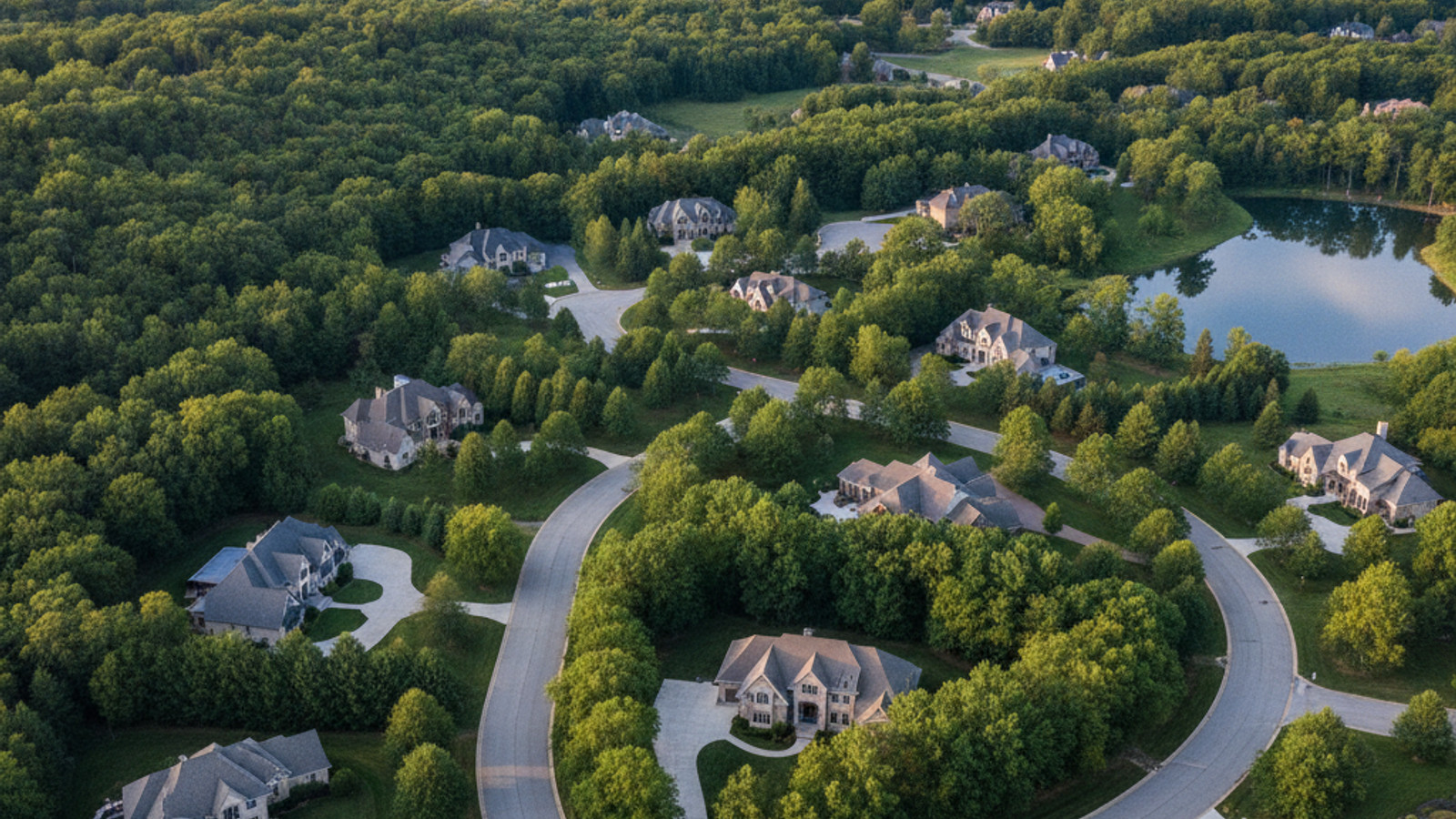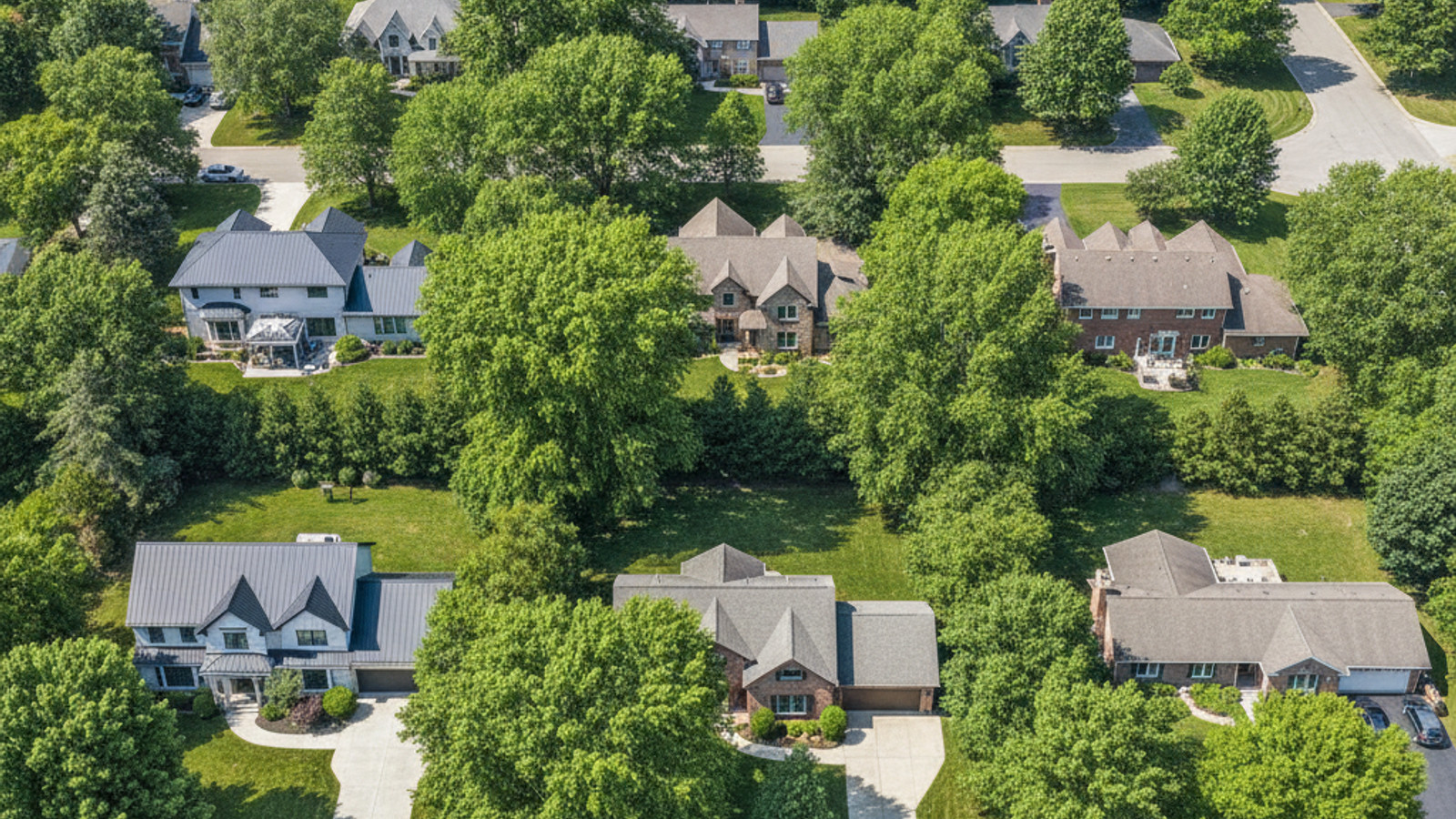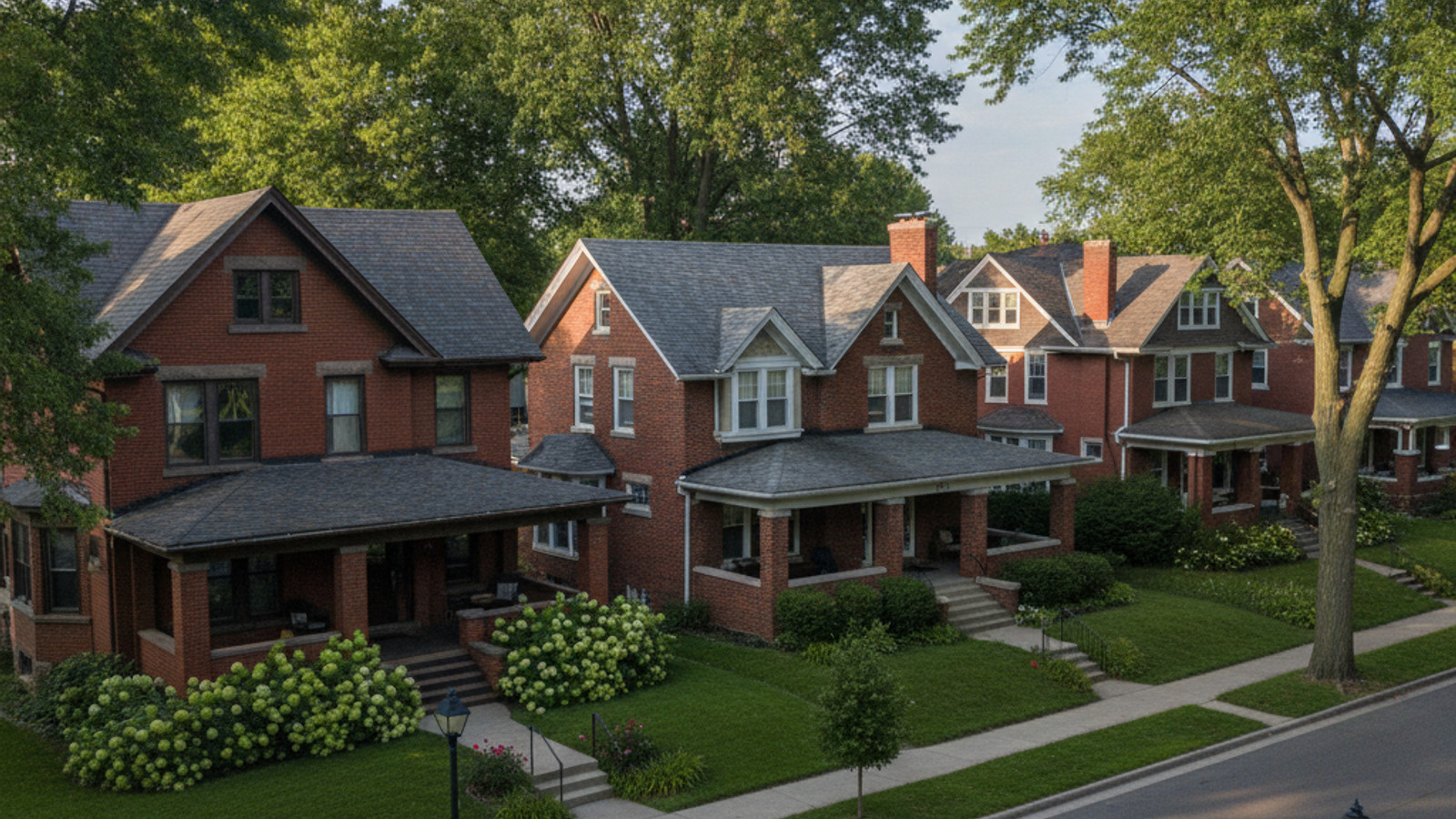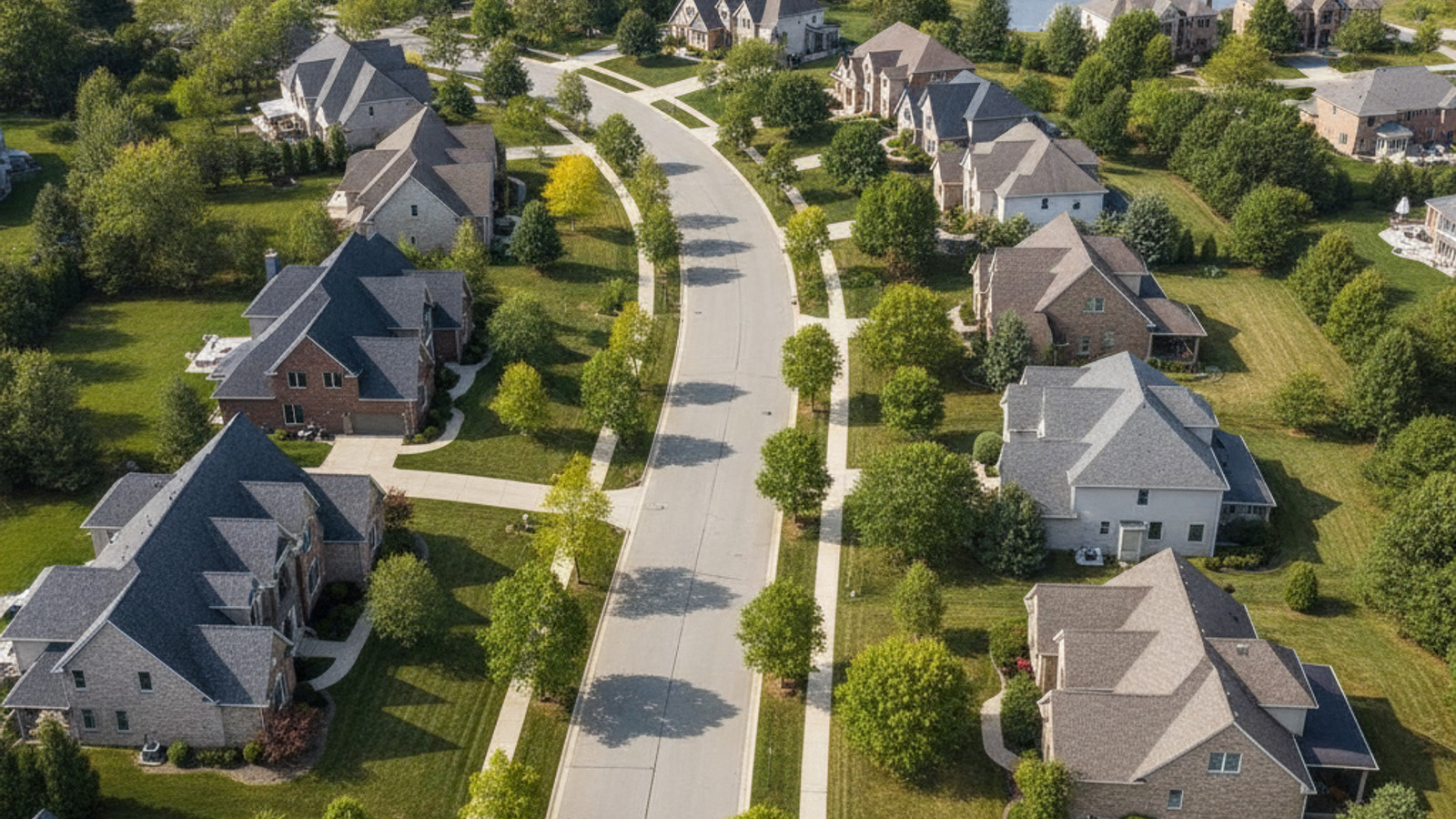
If you are looking at homes in Oakland County, you have likely noticed that Independence Township offers a distinct vibe. It covers roughly 36 square miles, yet it feels like a collection of smaller, intimate neighborhoods rather than one giant sprawl.
What makes this area so special to homebuyers today is the contrast. You have the bustling commercial corridor along M-15, but just a few miles away, you find the historic serenity of the Sashabaw Plains. It is a place where modern convenience meets deep roots.
However, before we dive into the timeline, we have to address the most common point of confusion for anyone looking at real estate here: the difference between the Township and the City of the Village of Clarkston. While they share a school district and a zip code, their histories are intertwined yet legally distinct. Understanding how this community evolved from a rural settlement to a modern suburb helps explain why it is such a desirable place to live today.
Early Roots: The Saginaw Trail and Sashabaw Plains
Long before subdivisions and shopping centers appeared, this area was defined by the Saginaw Trail. Today, we know this route as Dixie Highway, but originally it was a vital footpath for Native Americans traveling between Detroit and Saginaw.
The local lore often centers on Chief Sashabaw. While historical records on the Chief are a mix of fact and legend, his name remains permanently stamped on the geography of the area. Stories suggest he had a friendship with Oliver Williams, whose family became the first land purchasers in the area around 1823, the same year the Chief is said to have died.
The geography played a massive role in who settled here. The southeast corner of the township, known as the Sashabaw Plains, was particularly attractive to early pioneers because of its flat, fertile land. It was perfect for farming. Settlers like John W. Beardslee recognized this potential early on, arriving around 1826. By 1834, the population had grown enough that Independence Township was formally organized, setting the stage for the community we know today.
The Clark Brothers and the Era of Clarkston Mills
While the farmers were busy on the plains, a different kind of activity was bubbling up near the Clinton River. In 1832, Butler Holcomb built a sawmill, which was the spark that eventually created the village center.
The real transformation began with the arrival of Jeremiah and Nelson Clark in the 1830s. These brothers saw the potential of the water rights and purchased the mill. By 1839, they had constructed a dam and a gristmill, which created the Mill Pond that serves as a scenic centerpiece for the downtown area today.
For a few years, the settlement was known as “Clarkston Mills.” The mill was the economic engine of the area, processing grain for the surrounding farmers and drawing commerce to the village. In 1842, the residents voted to shorten the name, and “Clarkston” was officially born.
A Tale of Two Entities: The City vs. The Township
This is the part of the story that I explain to almost every client over coffee. If you are browsing listings, you might see “Clarkston” on the address, but the taxes and municipal services depend on whether the home is in the City or the Township.
Here is the breakdown of how this split happened:
- The Geography: The City of the Village of Clarkston is a small enclave, roughly 0.5 square miles, completely surrounded by Independence Township.
- The Timeline: The Village incorporated in 1884 to manage its own affairs. Much later, in 1992, it incorporated as a City. This wasn’t about a conflict, but rather a move to preserve local government control and prevent annexation by larger surrounding entities.
- The Scale: To give you an idea of the difference, Independence Township has a population of roughly 37,000, while the City is home to about 900 residents.
Today, they operate with separate tax bases and city councils, but the community spirit is shared. Residents from the Township still head downtown for dinner, and everyone cheers for the same sports teams in the Clarkston Community Schools district.
The Auto Era: Henry Ford and the Vacation Boom
As the 20th century rolled in, the automobile began to reshape the landscape. The paving of Dixie Highway around 1920 and M-15 around 1922 opened the area up to the outside world. Suddenly, Independence Township wasn’t just a farming community – it was a destination.
This period is often called the “Cottage Era.” Residents from Detroit began looking for summer escapes, and the township’s beautiful lakes, such as Deer Lake and Park Lake, were the perfect draw. Small summer cottages began popping up along the shorelines, many of which have since been converted into year-round residences.
Even Henry Ford took notice of the area. As part of his Village Industries program, which aimed to bring manufacturing jobs to rural areas using water power, he purchased the old school building and showed significant interest in the local water resources. While the area didn’t become a massive industrial hub, the influence of the auto industry was undeniable as the local economy shifted.
Pine Knob and the I-75 Expansion
If the auto era opened the door, the arrival of I-75 kicked it wide open. When the interstate came through in 1962, it transformed Independence Township from a distant retreat into a viable commuter suburb for people working in Detroit and Flint.
This era also gave rise to one of the township’s most famous landmarks: Pine Knob. Originally, this land was the sprawling estate of Colonel Sidney Waldon, an auto executive. In 1962, the property was converted into a ski resort, giving locals a winter recreation hub right in their backyard.
A decade later, in 1972, the venue expanded to include the outdoor music theater. For decades, it was the premier spot for summer concerts in Michigan. While it went through a corporate naming phase for a while, locals celebrated when it officially returned to the name “Pine Knob Music Theatre” in 2022.
The post-1960s era saw a shift from agriculture to residential subdivisions. However, unlike some suburbs that paved over everything, Independence Township managed to retain significant green spaces, keeping that “up north” feeling that buyers still look for today.
Preserving History in Real Estate Today
History isn’t just about the past here – it directly impacts property values and lifestyle. The community has made a concerted effort to keep its heritage alive, which adds a premium to the local real estate market.
- Historic Districts: The Clarkston Village Historic District is listed on the National Register of Historic Places. If you are looking at homes for sale in the village area, you are buying into a protected architectural legacy.
- Adaptive Reuse: You will often see old farmhouses that have been carefully preserved even as new developments spring up around them. This blend of old and new gives the township a character that brand-new subdivisions elsewhere just can’t match.
- Local Surveys: The Independence Township “Historical Sites Survey” helps identify and protect landmarks, ensuring that as the community grows, it doesn’t lose the rural charm that drew the original settlers to the Sashabaw Plains in the first place.
Frequently Asked Questions
Are Clarkston and Independence Township the same place?
Technically, no. They are two separate municipalities with their own local governments and tax rates. However, they share a zip code and the Clarkston Community Schools system, so in daily conversation, locals often use the names interchangeably.
What is the history of Pine Knob in Independence Township?
Pine Knob began as the private estate of auto executive Colonel Sidney Waldon. It was transformed into a ski resort in 1962 and later added the famous music amphitheater in 1972, becoming a cultural staple for the region.
Who were the first settlers of Independence Township?
The area was first settled by the Williams family in the early 1820s, followed closely by farmers like John W. Beardslee who were drawn to the Sashabaw Plains. The Clark brothers, Jeremiah and Nelson, arrived in the 1830s and were instrumental in establishing the village center.