If you look at a current map, Rochester Hills stands out as one of the most desirable places to live in Metro Detroit. It’s known for spacious subdivisions, top-tier schools, and a thriving economy. But if you dig a little deeper, you’ll find a story that goes back much further than the modern master-planned communities suggest.
While the City of Rochester Hills technically only became a city in 1984, its roots stretch back over two centuries. Before the manicured lawns and shopping districts, this area was a rugged frontier of mills, farms, and dense forests known as Avon Township.
Understanding this history isn’t just trivia; it explains why the area looks and feels the way it does today. From the winding path of Rochester Road to the preserved open spaces near Stoney Creek, the past has directly shaped the layout and character of the community we enjoy today.
Indigenous Roots and Early Trails
Long before the first log cabin was raised, the land that makes up Rochester Hills was home to the Potawatomi, Odawa, Sauk, and Ojibwe peoples. The natural landscape we appreciate today—the rolling hills and abundant waterways—made it a vital area for these indigenous groups.
Interestingly, your daily commute might be following a path carved out centuries ago. Major thoroughfares like Rochester Road generally follow the original Native American trails used for trade and travel between the Detroit River and the northern wilderness.
The waterways were just as critical. The Clinton River and Paint Creek served as essential resources for fishing and transport long before they were harnessed to power the pioneer grist mills that would eventually jumpstart the local economy.
1817-1850: The First Settlers and Stoney Creek Village
The European settlement of Oakland County actually began right here. In 1817, James Graham and his family arrived, becoming the first permanent European settlers in the county. They navigated the wilderness to establish a life in what would eventually become the heart of the community.
A few years later, in 1823, a distinct community began to form, separate from the downtown hub of Rochester. Lemuel Taylor led a group of settlers to found Stoney Creek Village. This area, located in the northeast corner of the modern city, utilized the water power of the creek to run sawmills and grist mills.
It is important to note the spelling quirk here that locals know well: the historic settlement added an “e” to become Stoney Creek, distinguishing the village from the water source itself. While the Village of Rochester became the main commercial hub, the surrounding area—including Stoney Creek—remained the agricultural backbone of the region.
The Agricultural Era: Life in Avon Township
For most of its history, the area wasn’t a city at all. In 1835, it was organized as Avon Township. This township encompassed both the bustling village center (now downtown Rochester) and the sprawling farmlands surrounding it (now Rochester Hills).
During this era, the community was defined by family farms and the milling industry. One of the most significant figures from this time was Sarah Van Hoosen Jones. She wasn’t just a farmer; she was a Ph.D. scientist who turned her family’s property, the Van Hoosen Farm, into a world-class dairy operation known for superior cattle genetics.
Her legacy is a massive part of the local identity. The transition from simple wheat and grist mills to sophisticated dairy farming highlighted the area’s prosperity. Today, when you look at homes for sale in Rochester Hills, you are often looking at land that was once part of these expansive, world-renowned farms.
The Battle for Cityhood: Becoming Rochester Hills (1984)
The most dramatic chapter in local history is political. For decades, Avon Township and the Village of Rochester were legally connected. However, in 1967, the Village broke away to become the independent City of Rochester. This left Avon Township vulnerable.
By the 1970s and 80s, neighboring cities like Troy and the newly formed City of Rochester began eyeing Township land for annexation. The residents of Avon Township faced a choice: become a city or risk being carved up by neighbors.
Enter Earl Borden. As the Township Supervisor, Borden led the charge for independence. He championed the idea that the township had its own identity and needed to protect its borders. In November 1984, residents went to the polls and voted to incorporate as a city. They chose the name “Rochester Hills” over “Avon Hills” to honor the historical connection to the area while referencing the beautiful topography that defines the landscape.
Preserving History: Key Landmarks You Can Visit Today
One of the benefits of living in Rochester Hills is that this history hasn’t been paved over. There are several landmarks where you can still see the past up close:
- Rochester Hills Museum at Van Hoosen Farm: This is the crown jewel of local history. You can tour the original farmhouse and barns to see how Sarah Van Hoosen Jones lived and worked.
- Stoney Creek Village Historic District: Take a drive through this area to see stunning examples of Greek Revival architecture that date back to the 1800s.
- Meadow Brook Hall: While technically located on the Oakland University campus, this Tudor-revival mansion built by Matilda Dodge Wilson is central to the area’s prestige and history.
- Borden Park: A favorite spot for sports and recreation, this park is named after Earl Borden, the first mayor who fought to secure the city’s future.
Note: The popular Stony Creek Metropark is a massive natural resource nearby, but remember the spelling difference—no “e” for the park!
How History Shapes the Rochester Hills Real Estate Market
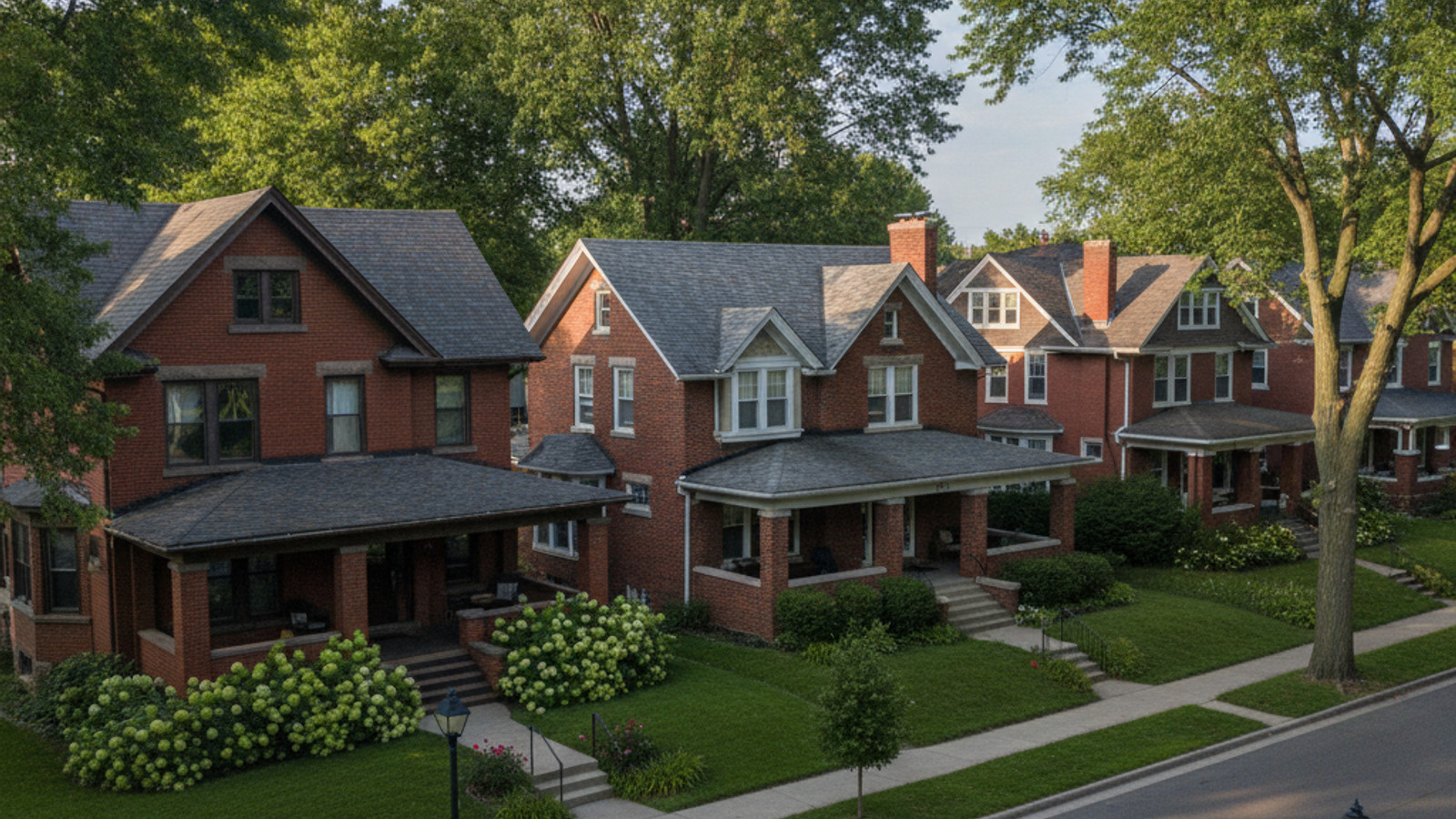
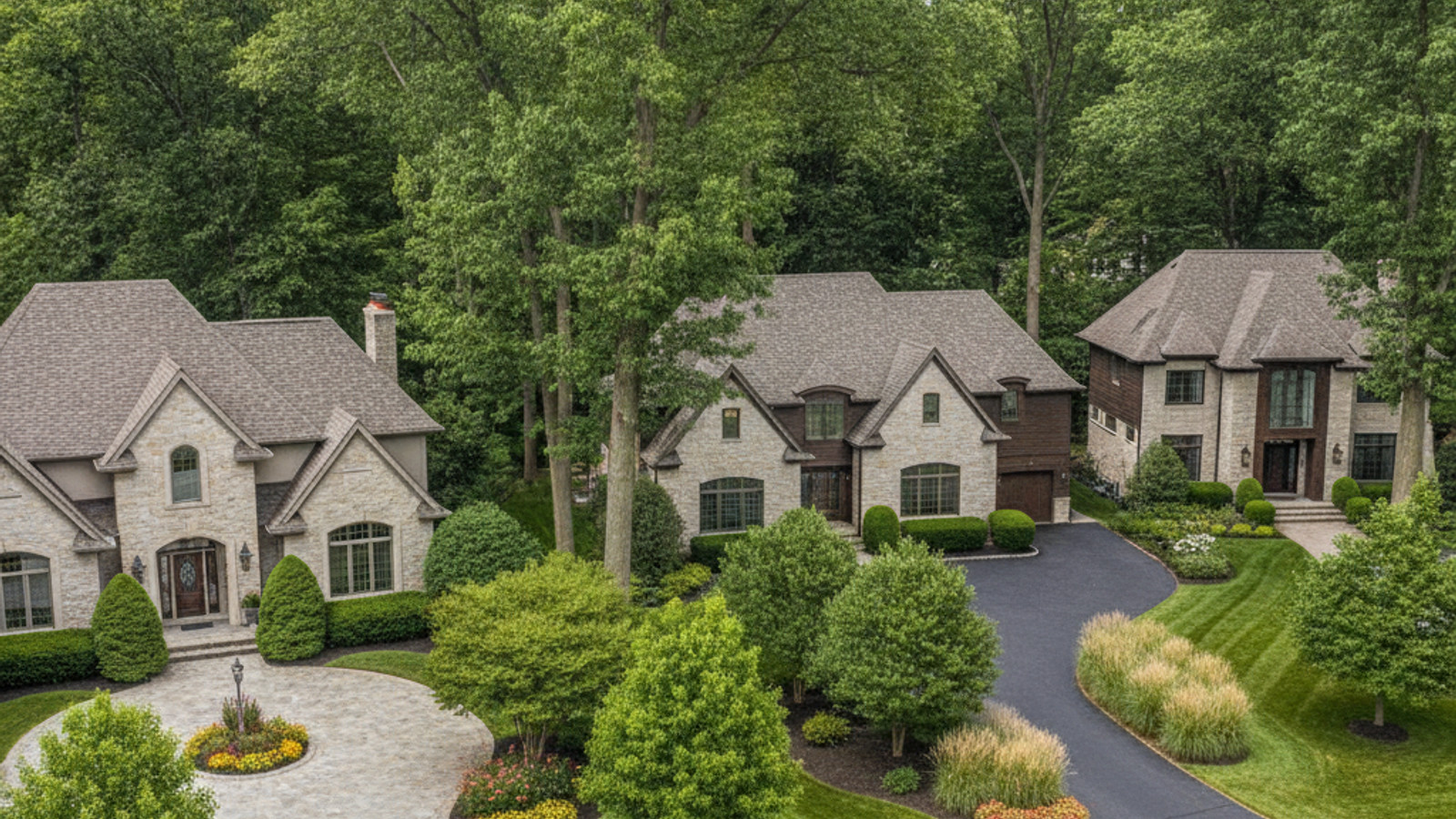
You might wonder how pioneer history affects the price of a 4-bedroom colonial today. The connection is actually quite strong. Because Rochester Hills remained Avon Township for so long, it avoided the dense, grid-like development patterns seen in older cities like Royal Oak or Ferndale.
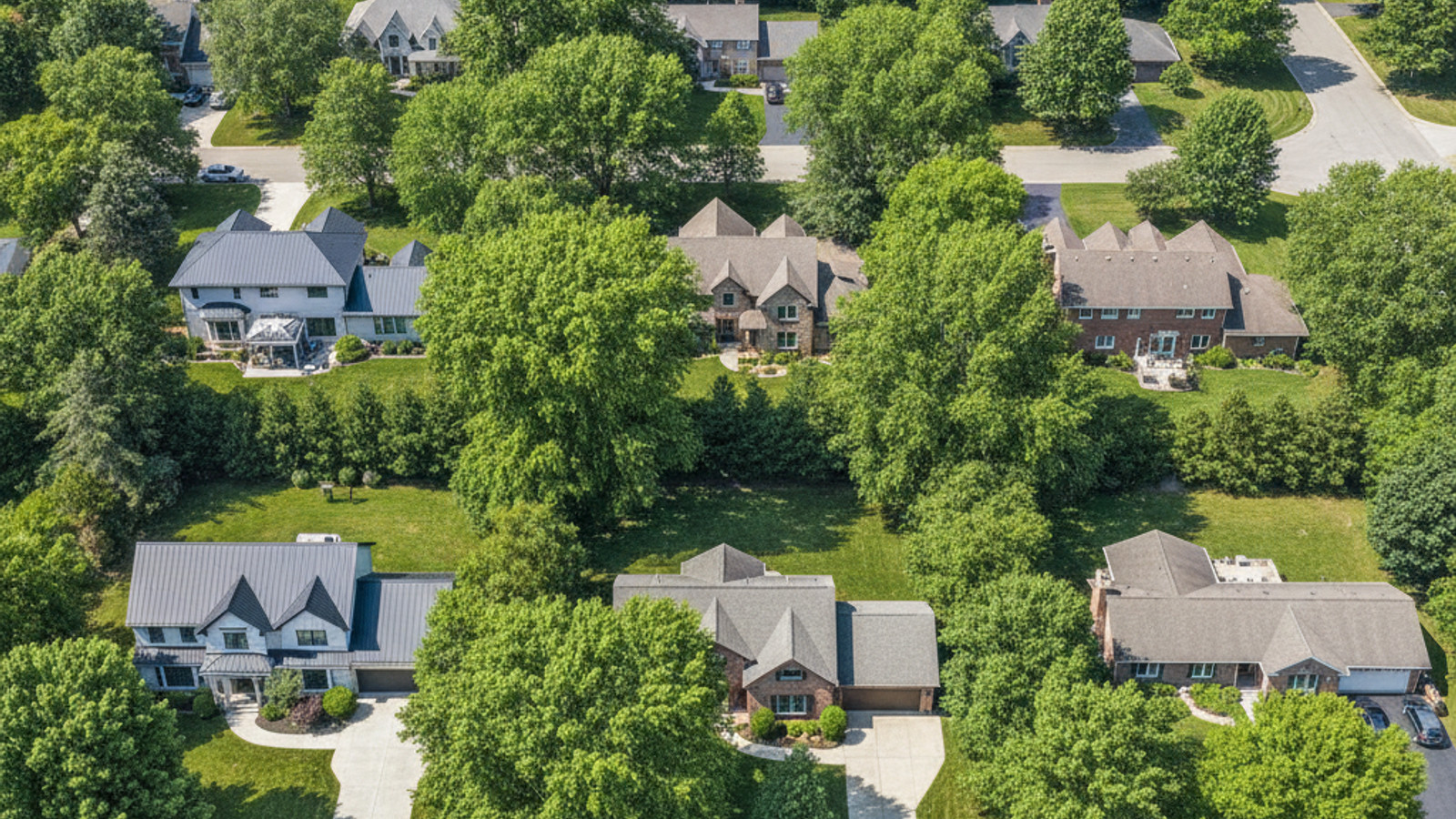
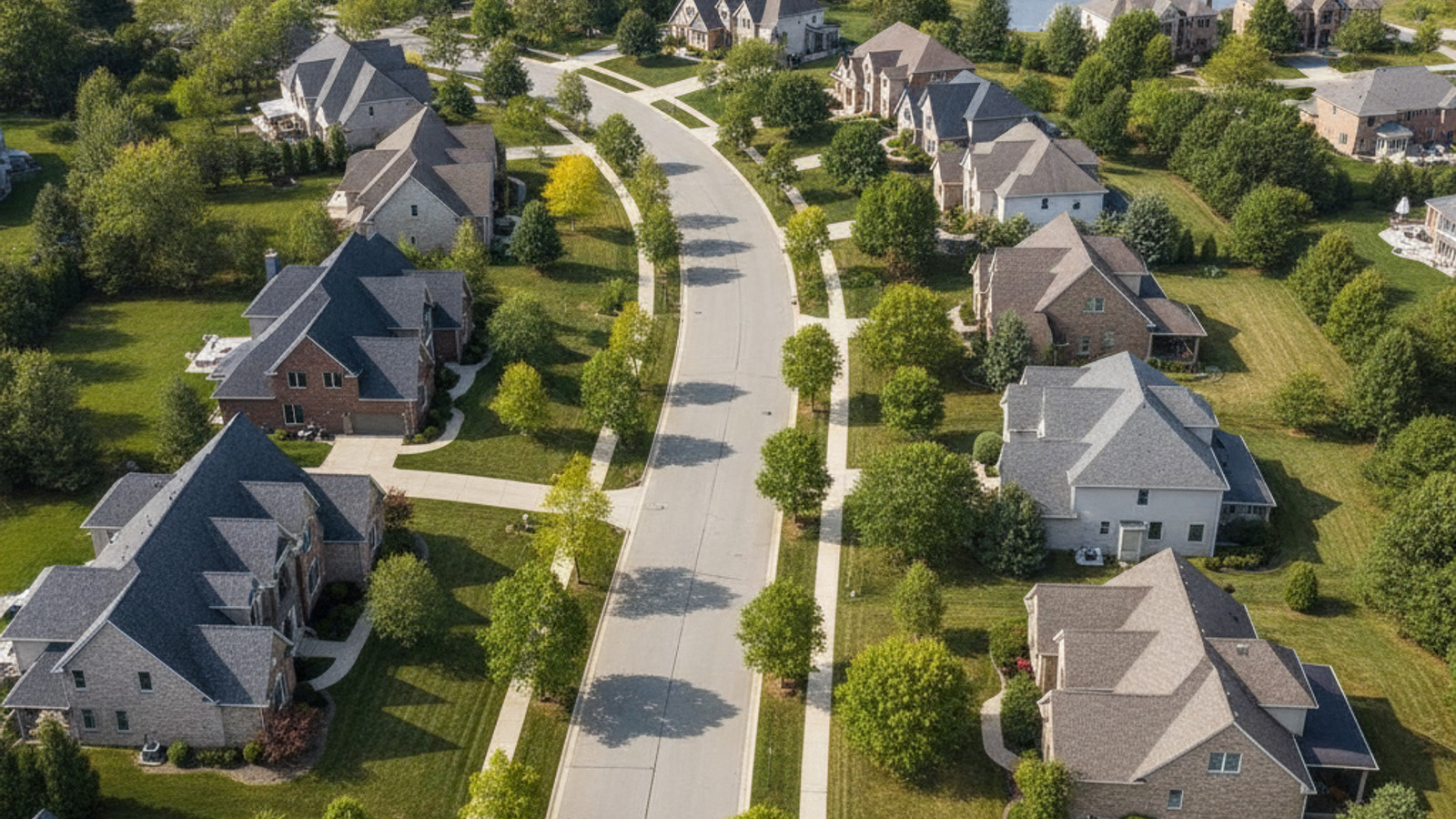
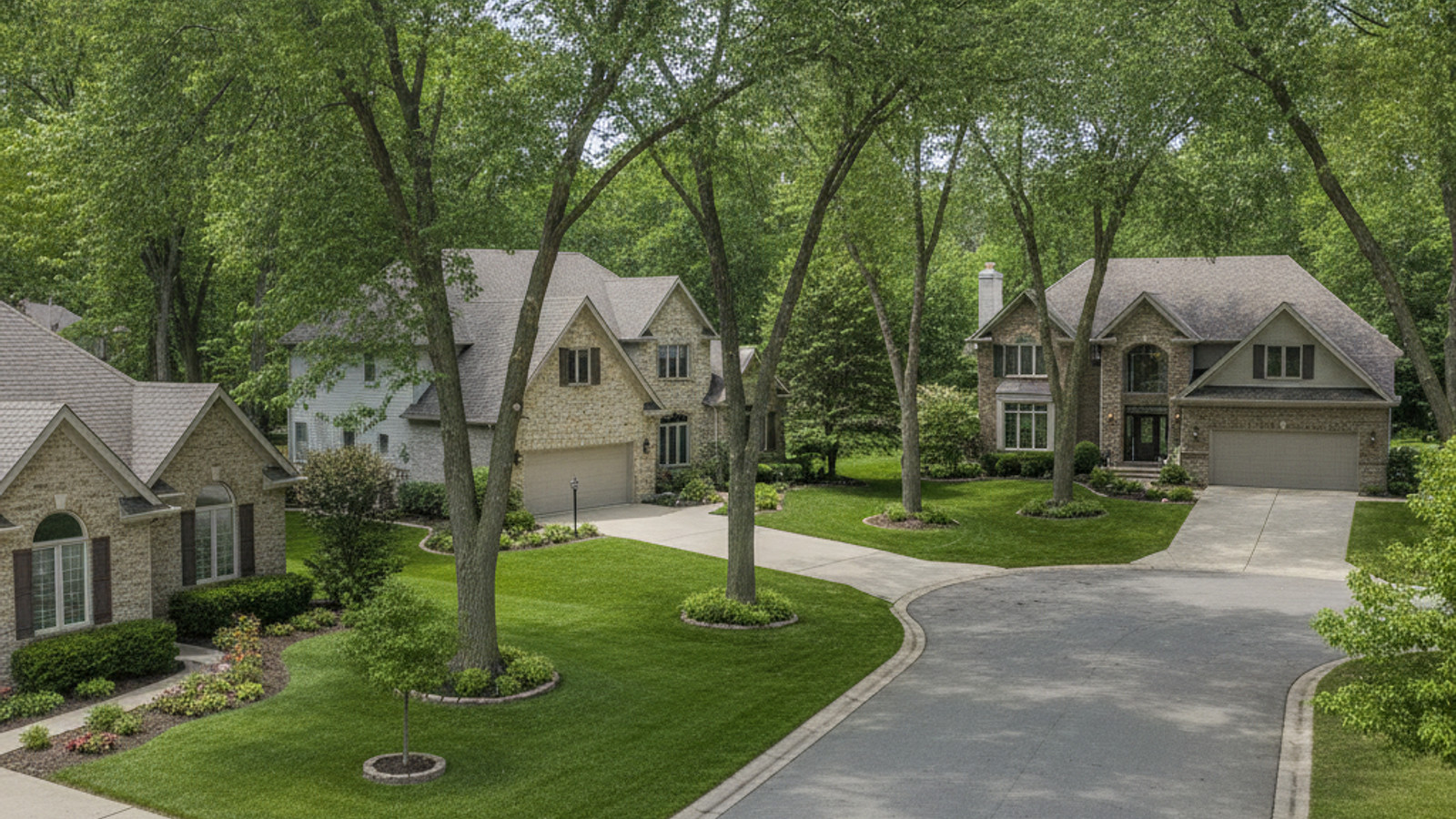
This “township legacy” means that when developers finally started building subdivisions in the 1980s and 90s, they had room to work. This resulted in larger lot sizes, winding streets, and significantly more green space.
Furthermore, the community’s dedication to preservation—evident in the Stoney Creek Historic District and the Museum—signals to buyers that this is a town that protects its assets. This blend of historic charm and modern, spacious living is a primary driver of property values in the area.
Frequently Asked Questions
What is the difference between Rochester and Rochester Hills?
They are two separate, independent cities. Rochester is the older, denser city featuring the walkable downtown Main Street area. Rochester Hills is the larger city surrounding it, known for residential subdivisions, shopping centers (like the Village of Rochester Hills), and Oakland University.
Is it spelled Stony Creek or Stoney Creek?
This is a common point of confusion! It is spelled Stony Creek when referring to the body of water or the Metropark. It is spelled Stoney Creek (with an “e”) when referring to the historic village and the High School.
Who was Earl Borden?
Earl Borden was a pivotal figure in local history. He served as the Township Supervisor for Avon Township and led the successful campaign to incorporate as the City of Rochester Hills to prevent annexation. He subsequently became the city’s first mayor.
When was Rochester Hills founded?
The area was first settled by Europeans in 1817. However, it officially incorporated as the City of Rochester Hills on November 20, 1984. Before that, it was known as Avon Township.