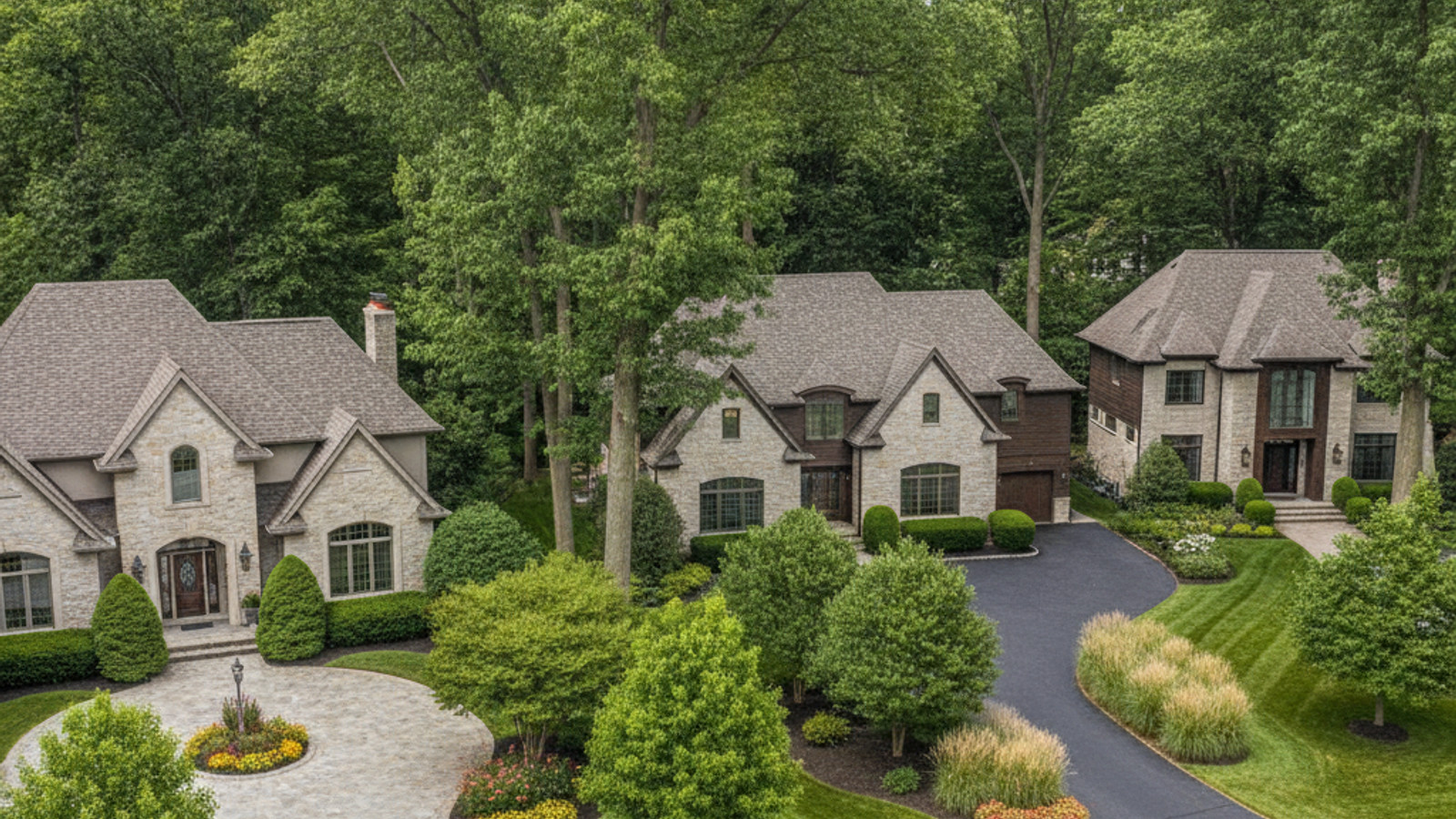
If you are looking for wide-open spaces, luxury estates, and a quiet retreat that feels miles away from the bustle while staying close to the action, you are probably looking at Oakland Township.
This area has always been a bit of a hidden gem in Metro Detroit, known for its “nature preserve” atmosphere and large acreages. But as we move further into 2026, the secret is definitely out. The market here has shifted from a steady luxury niche into a highly competitive environment. Whether you are looking to buy a sprawling estate or you are a current homeowner thinking about capitalizing on your equity, understanding the specific numbers behind this shift is crucial.
Here is a look at what is happening on the ground in the Oakland Township housing market right now.
Oakland Township Housing Market Snapshot (February 2026)
Let’s get right to the bottom line: we are firmly in a seller’s market. While other parts of the country might be seeing a cooling trend, demand here is outpacing supply, creating a tight environment for buyers and a lucrative one for sellers.
When you look at the price tags, the luxury status of the township is clear. Depending on which data source you look at, the median sold price is currently hovering between $743,000 and $835,000. That is a significant jump from previous years, driven largely by high-end turnover and substantial new construction.
For buyers, the biggest hurdle is inventory. As of February 2026, we are seeing extremely low levels of available homes—roughly 74 active listings in total. Because there isn’t much to choose from, market velocity is high. Desirable homes are going pending quickly, often selling in about 30 to 45 days. If a home is turnkey and priced correctly, it moves even faster.
If you are browsing Oakland Township homes for sale, you will likely notice that listing prices are trending even higher than the sold data, with median list prices pushing toward the $940,000 mark. This suggests sellers are feeling confident about testing the upper limits of the market.
Home Price Trends and Appreciation in 2026
The appreciation numbers we are seeing are frankly impressive. While stable growth is usually the norm in high-end markets, some recent reports have shown year-over-year appreciation exceeding 20% in this specific zip code.
To break that down into practical numbers, the price per square foot is hovering around $249. This is a useful metric to keep in mind when you are evaluating whether a listing is overpriced or a fair deal. Sellers are generally getting what they ask for, with the sale-to-list ratio sitting tight at approximately 97% to 98%. This means there is very little “wiggle room” for lowball offers.
It is also important to remember that Oakland Township is a luxury outlier compared to the rest of the county. While the broader Oakland County median price sits in the $350,000 to $370,000 range, the Township operates in a different bracket. Here, million-dollar transactions are the norm, not the exception.
Inventory Levels: A Challenge for Buyers
The hardest conversation we have with buyers right now revolves around supply. With active listings hovering around 70 to 80 homes, the “months supply of inventory” is sitting at about 2.1 months. In real estate speak, anything under six months is a seller’s market; 2.1 months is incredibly tight.
For house hunters, this means you need to be prepared for competition. Multiple offers are common on the best properties. If you see a home you love, waiting a weekend to “think it over” often results in losing the house.
For sellers, this inventory shortage puts you in a strong equity position. You have the ability to dictate terms, such as occupancy after closing or limiting contingencies, because buyers simply don’t have many other places to go. If you check a selling your home guide, you’ll see that low inventory is the single biggest advantage a seller can have.
Property Types: Estates, New Builds, and Condos
One of the unique aspects of this market is the housing stock. You won’t find many grid-pattern neighborhoods with small lots here.
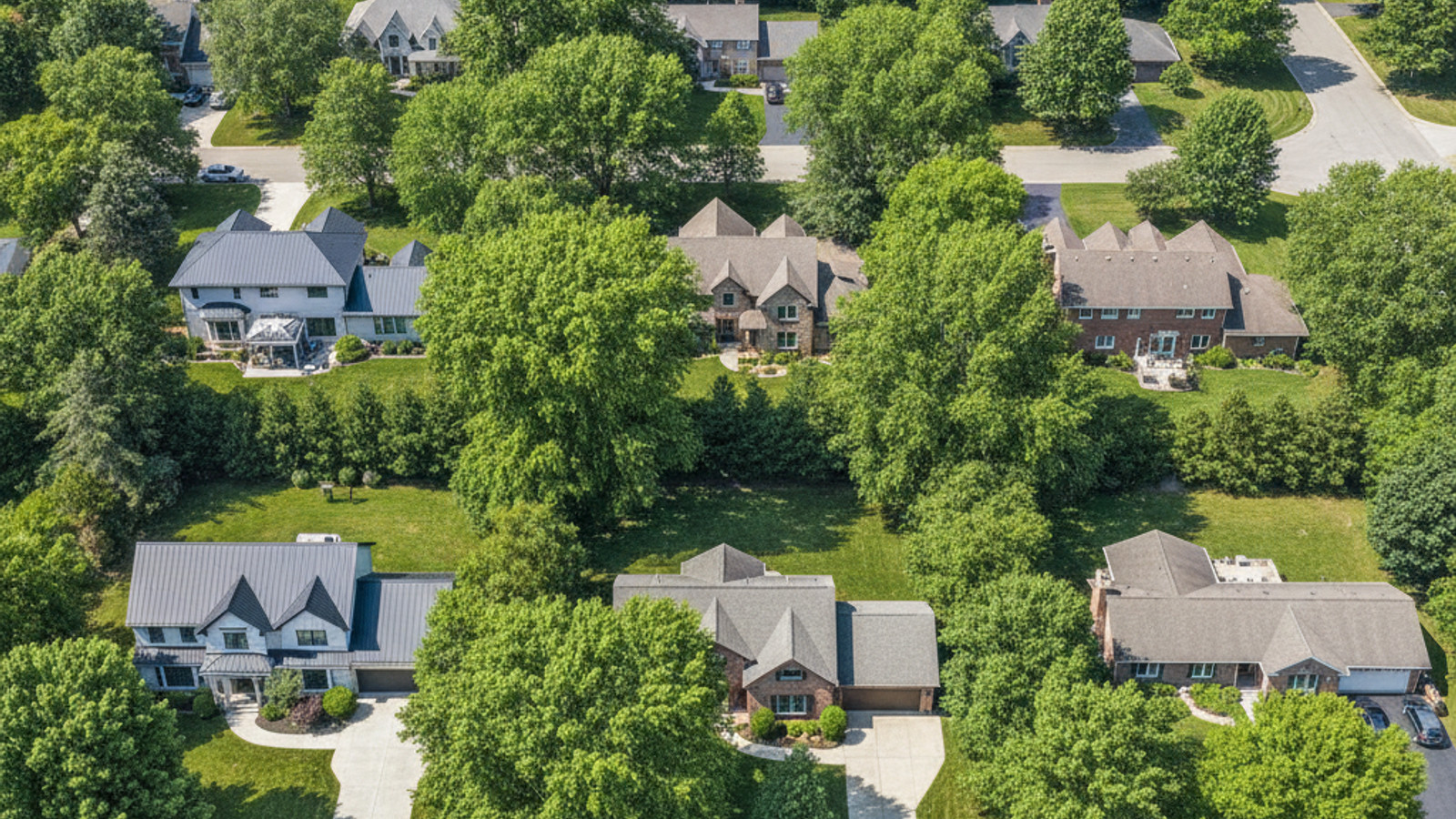
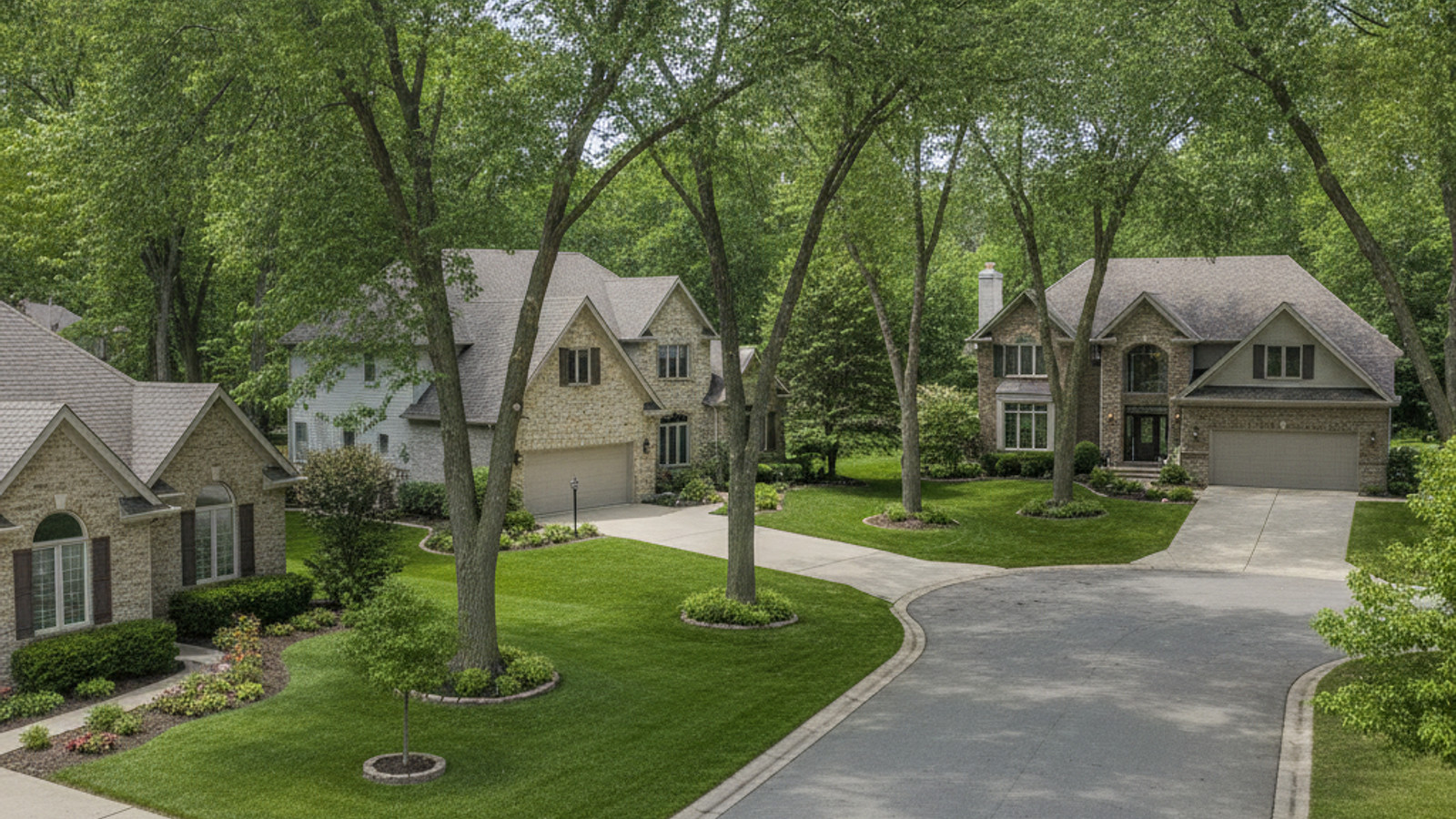
- Single-Family Estates: This is the dominant property type. Buyers come here for land, typically looking for lots that are at least one acre or more. The architectural styles range from massive modern farmhouses to traditional colonials, almost always with finished basements and three-car garages.
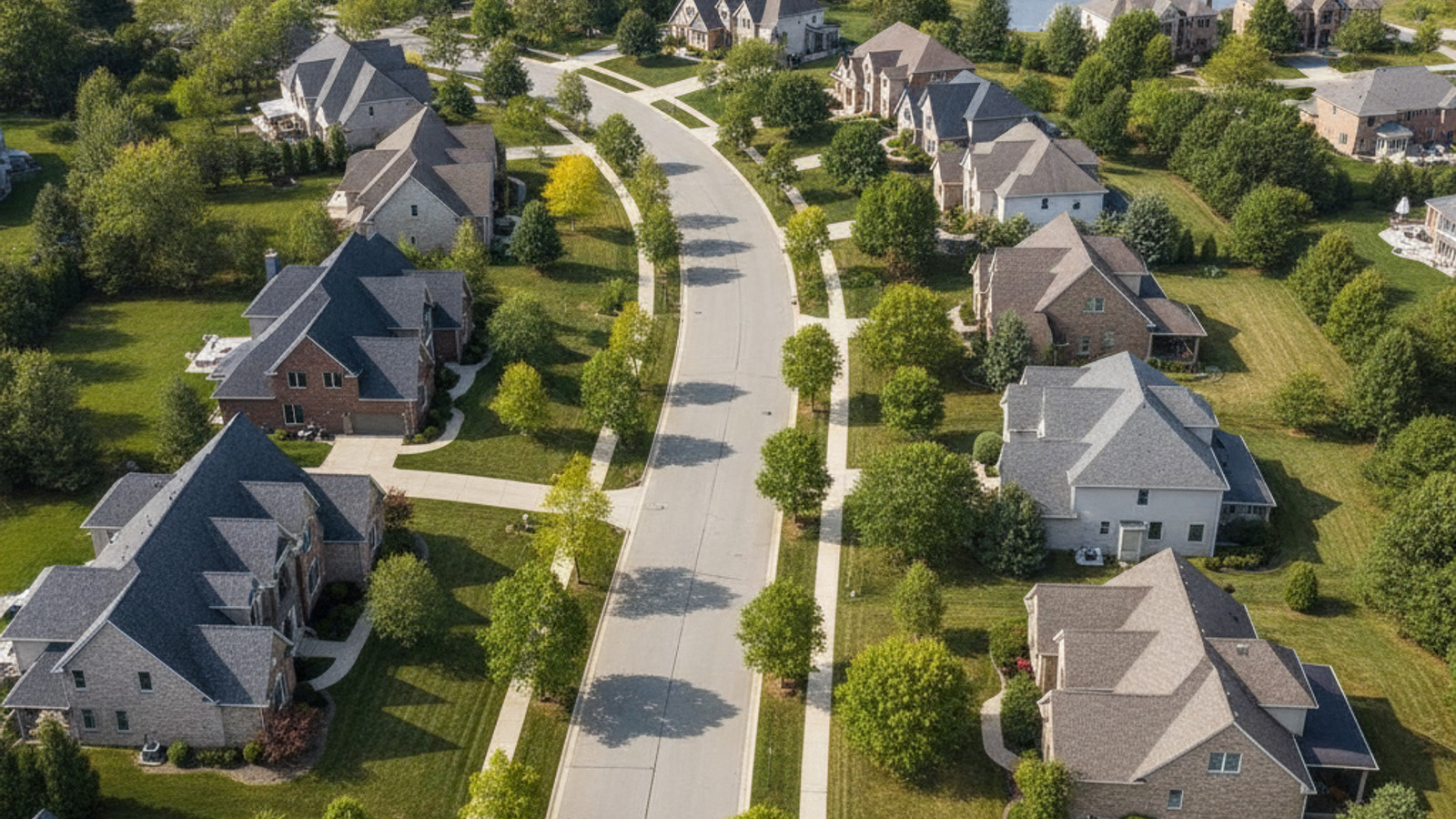
- New Construction: This is a massive driver of the current market. Builders are stepping in to fill the inventory gap with developments like Deerbrook or the Townes at Main Street. If you can’t find an existing home, new construction homes Oakland Township offers a viable, albeit premium, alternative, with pricing often starting at $900,000+.
- Condos: While available, they are much less common here than in neighboring Rochester Hills. When you do find them, they tend to be luxury detached condos rather than entry-level units.
Financial Considerations: Taxes and HOAs
Beyond the purchase price, it is critical to understand the monthly carrying costs of living here. The financial picture in the Township is different from the surrounding cities.
First, let’s talk about taxes. Michigan operates under Proposal A, which caps the growth of a home’s taxable value as long as the same owner holds the property. However, when you buy a house, that value “uncaps.” This means you cannot rely on the current owner’s tax bill or generic Zillow estimates like “$5,372/year.” As a new buyer purchasing a home for $800,000, your taxes will be calculated on that new value, resulting in a bill significantly higher than the previous owner paid—often roughly 1.1% to 1.5% of the market value initially.
The good news is that because you are in a Township, you avoid the city income tax you might pay in places like Pontiac or Detroit. The millage rate is generally lower than city taxes, sitting around an effective rate of 1.04%.
You also need to budget for Homeowners Association (HOA) fees. almost every subdivision here has one. These fees are generally mandatory and cover the maintenance of the extensive common grounds, nature trails, and sometimes community pools that make these neighborhoods so desirable.
What Drives Demand in Oakland Township?
Why are people willing to pay a premium to live here? It usually comes down to lifestyle. The Township has intentionally maintained a “rural character” despite being a luxury suburb.
The area feels like a nature preserve. With over 1,500 acres of parkland, residents have immediate access to outdoor recreation. The Paint Creek Trail and Stony Creek Metropark are huge draws for cyclists, runners, and nature lovers. For golfers, the density of high-quality courses is a major perk.
For those focused on education, the area is served primarily by Rochester Community Schools, which are consistently highly rated for academic excellence, alongside some coverage by Lake Orion schools.
Ultimately, the biggest driver is privacy. The large setbacks and zoning laws mean you aren’t staring right into your neighbor’s kitchen. It offers a quiet, retreat-like atmosphere that is hard to find this close to Metro Detroit’s business hubs. If you are researching living in Oakland Township, this balance of privacy and prestige is likely what drew you in.
Comparing Oakland Township to Nearby Markets
If you are relocating to the area, you might be weighing the Township against its neighbors. Here is how they stack up.
- Vs. Rochester Hills: Rochester Hills is busier, denser, and offers a much wider variety of housing, including more entry-level condos. It is closer to the I-75 and M-59 corridors, making for a shorter commute, but you lose the rural, estate-like feel.
- Vs. Rochester City: The City is all about the downtown lifestyle—walkability to restaurants, the holiday light show, and shops. Oakland Township is where you go when you want to get away from that noise. You trade walkability for land.
- Vs. Washington Township: This is probably the most similar market in terms of the “rural-suburban” mix. However, Oakland Township typically commands a higher price premium due to its school district alignment and higher density of luxury estates.
2026 Market Outlook and Forecast
Looking ahead at the rest of 2026, we expect the market to stabilize. We likely won’t see the explosive 20%+ growth rates continue indefinitely; instead, we anticipate a return to a more moderate, sustainable growth of 3% to 5%.
Inventory will remain the primary constraint. Unless a wave of existing homeowners decides to sell, supply will stay tight.
- For buyers: Be ready to move fast. Have your financing fully approved before you step foot in a house. If the resale market is too competitive, give serious thought to new construction.
- For sellers: Even though inventory is low, pricing correctly is still key. Buyers are sophisticated and have data at their fingertips; they will bid up a well-priced home, but they will ignore an overpriced one.
Common Questions About the Market
Is Oakland Township, MI a buyer’s or seller’s market in 2026?
It is currently a strong seller’s market. With inventory levels hovering around 2.1 months of supply and high buyer demand for luxury estates, sellers have significant leverage regarding price and terms.
What is the average home price in Oakland Township right now?
The median sold price generally falls between $743,000 and $835,000 depending on the specific dataset. However, list prices for active inventory are trending higher, often averaging near $940,000 due to the prevalence of luxury new construction.
Are property taxes higher in Oakland Township compared to Rochester Hills?
Generally, the millage rate in the Township is slightly lower than in the City of Rochester or Rochester Hills because there are fewer city services (like city water/sewer in some parts). However, because home values in the Township are typically much higher, your actual tax bill may be larger in total dollars.
Why is housing inventory so low in Oakland Township?
Inventory is low because residents tend to stay for a long time; this is a “destination” community rather than a starter market. Additionally, the zoning requires larger lots (often 1+ acres), which limits the physical number of homes that can be built compared to denser suburbs.