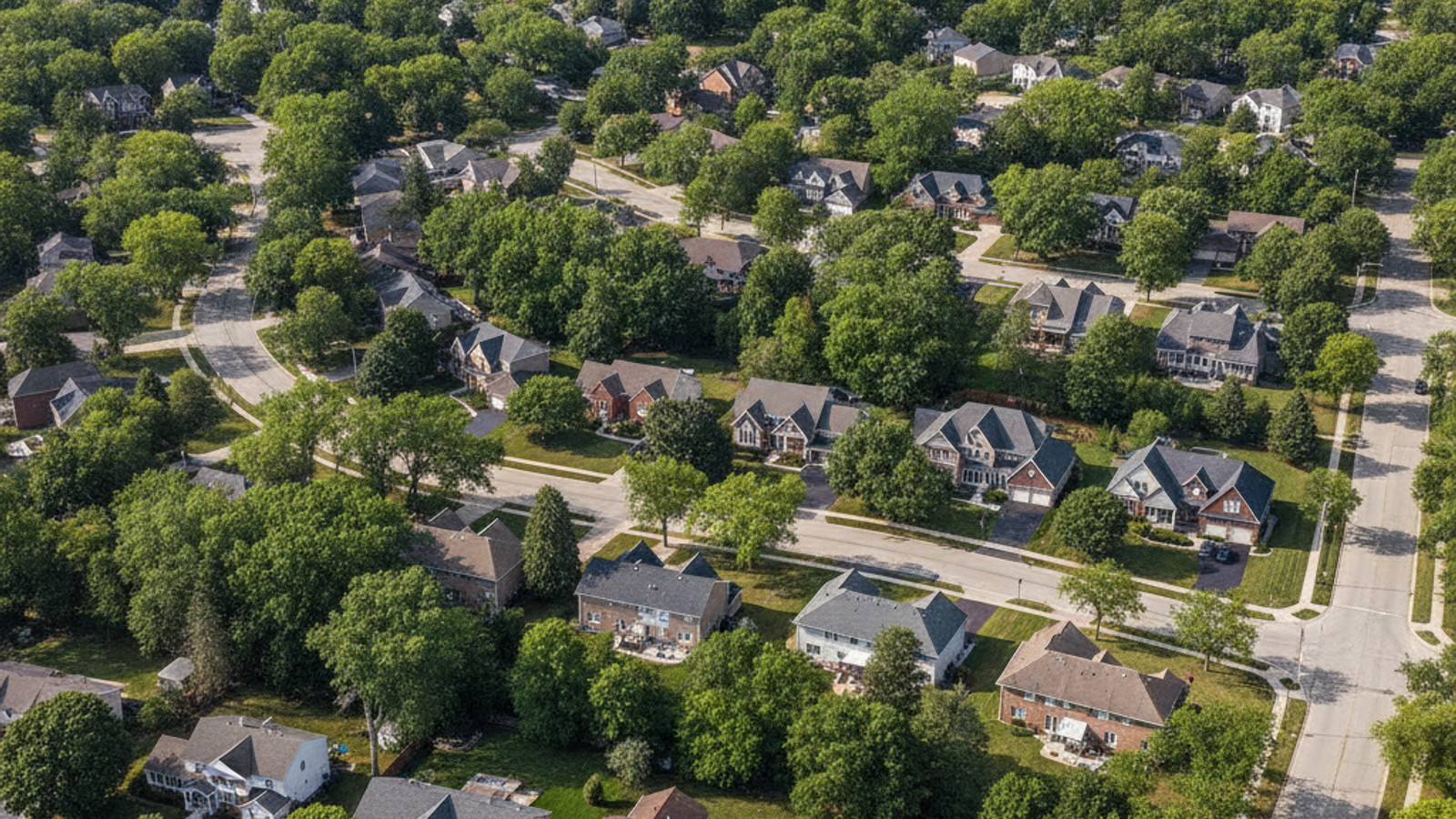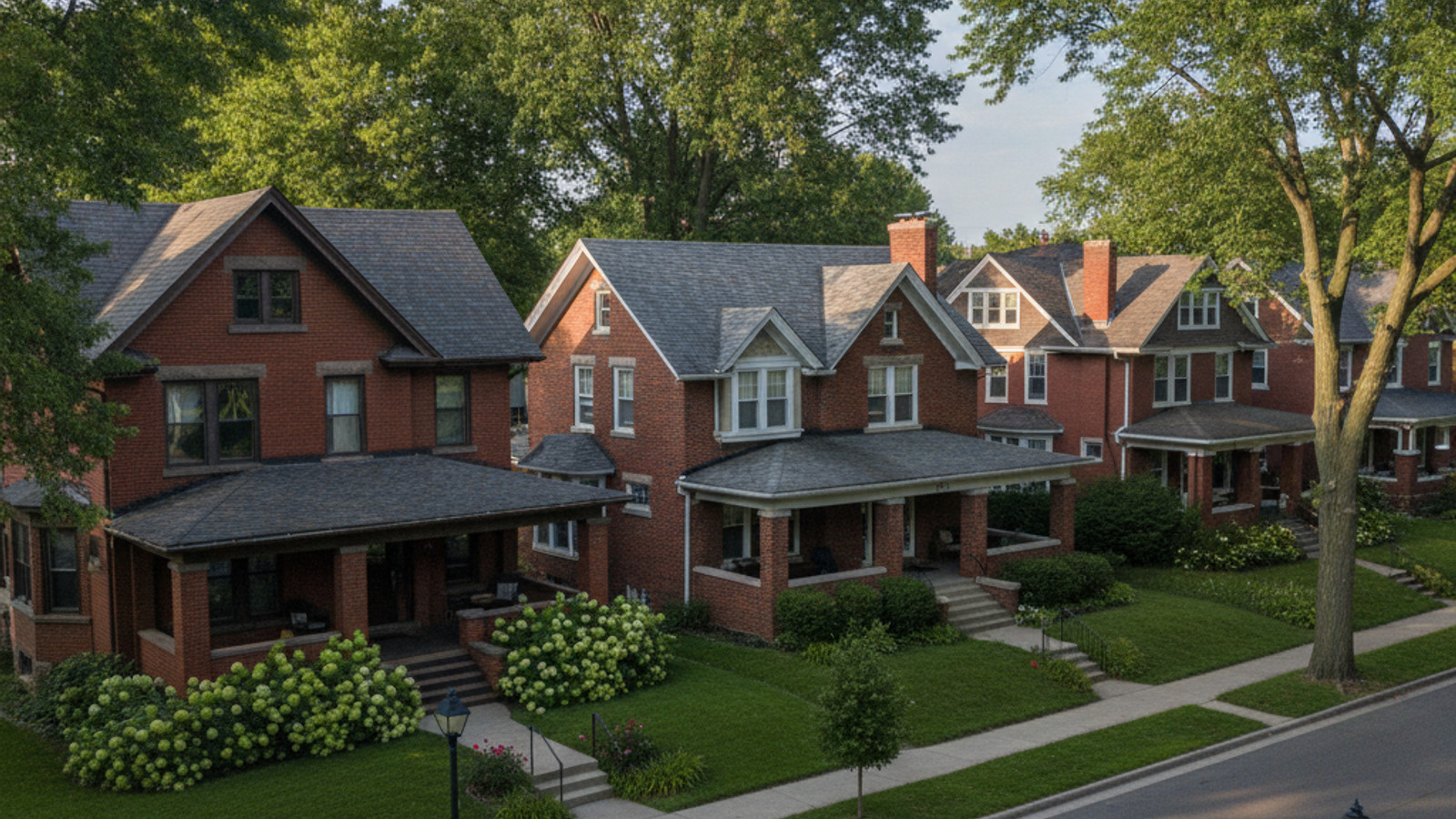
Deciding to sell your home is a big move, whether you’re upgrading to a larger space, downsizing, or relocating for work. In Auburn Hills, the market has its own unique rhythm. We are home to major economic engines like Stellantis North America and educational hubs like Oakland University, which keeps housing demand noticeably different from neighboring communities.
If you are thinking, “I’m ready to sell my home in Auburn Hills MI,” you likely want to know what your bottom line will look like and how fast it can happen. This guide breaks down the numbers, the local requirements, and the strategy you need for a successful sale in 2026.
Auburn Hills Real Estate Market: A 2026 Snapshot
Before we talk about listing photos or open houses, let’s look at the numbers. As of early 2026, Auburn Hills is firmly operating as a Seller’s Market. Inventory remains tight, with typically only 47 to 66 active listings available at any given time. Because supply is low and demand is steady, sellers are in the driver’s seat.
Pricing trends have been encouraging for homeowners. The median sale price for homes here is hovering between $320,000 and $335,000, showing a solid year-over-year increase of roughly 4% to 8%. Of course, your specific price will depend on your neighborhood and finishes, but the trajectory is pointing up.
Speed is another factor working in your favor. Homes that are priced correctly are moving quickly, typically spending just 27 to 50 days on the market before going under contract. The strong local workforce drives much of this activity; professionals working at the tech and automotive headquarters nearby, along with staff from the university, provide a consistent pool of buyers looking for short commutes.
When Is the Best Time to Sell in Auburn Hills?
While you can sell a home year-round, Michigan seasons definitely play a role in how much traffic your listing gets. Strategic timing can help you maximize your sale price and minimize the time your home sits active.
The Sweet Spot – Late Spring (May–July): Historically, late spring through early summer is the peak selling window. The weather is finally nice enough for curb appeal to shine—green lawns and blooming landscaping make a big difference—and buyers are out in full force. This is usually when we see the highest sale prices.
The School Year Factor: Many buyers in Oakland County are motivated by the school calendar. There is often a rush of activity in late summer as buyers try to close on a new home and get settled before the new school year begins.
Winter Selling: Don’t be discouraged if you need to sell in the winter. While the volume of buyers drops off when the snow flies, the buyers who are looking in January or February are usually very serious. You won’t get as many “window shoppers,” but you also face less competition from other sellers.
Cost to Sell a House in Auburn Hills (2026 Estimates)
One of the most important things to calculate is your net proceeds. It’s not just about the sale price; it’s about what you keep after closing. Let’s look at the fees and taxes you should expect to pay.
Agent Commissions: This is typically the largest expense. You can expect to pay around 5% to 6% of the sale price, which is generally split between your listing agent and the buyer’s agent.
Transfer Taxes: Michigan has a state transfer tax and a county transfer tax. When you combine them, it totals $8.60 for every $1,000 of the sale price.
- State Tax: $3.75 per $500 of value
- County Tax: $0.55 per $500 of value
- Example: If you sell your home for $320,000, your total transfer tax would be approximately $2,752.
Title Insurance and Closing Fees: In Michigan, it is customary for the seller to pay for the Owner’s Policy of Title Insurance. For a median-priced home, this usually runs upwards of $1,000, varying based on the sale price. You should also budget between $200 and $500 for miscellaneous settlement or closing fees charged by the title company.
Prorated Property Taxes: Remember that property taxes are paid in arrears or in advance depending on the municipality’s cycle (Summer and Winter taxes). You will be responsible for the taxes covering the days you owned the home up until the closing date.
Step-by-Step Guide to Selling Your Auburn Hills Home
Once you are comfortable with the costs, the actual process begins. Here is a roadmap to get you from “thinking about it” to “sold.”
- Preparation and Neutralizing: The goal is to make your home appeal to the widest audience possible. Since we have a lot of tech and corporate professionals moving to the area, a clean, “neutralized” look works best. Declutter personal items, freshen up paint, and ensure the home looks move-in ready.
- Strategic Pricing: This is where a local market analysis is vital. Avoid relying solely on online estimates like Zestimates, which often miss the nuances of specific subdivisions. Pricing too high can result in your home sitting stale on the market; pricing it competitively based on recent comparable sales creates urgency.
- Professional Marketing: In 2026, smartphone photos won’t cut it. Professional photography is non-negotiable for a strong online presence. Your home needs to look its best on the MLS to stop buyers from scrolling past it.
- Showings and Offers: Be prepared to be flexible with showings, especially on weekends. When offers come in, look beyond just the price. Terms like closing dates, inspection contingencies, and appraisal gaps can sometimes make a lower offer stronger than a high bid with too many strings attached.
Local Requirements: Inspections and Water Bills
Every city in Metro Detroit handles the transfer of property a little differently. Auburn Hills has a few specific rules you need to know, and one of them is actually great news for sellers.
No Certificate of Occupancy (C of O): Unlike nearby cities like Pontiac or Dearborn, Auburn Hills does NOT require a Certificate of Occupancy inspection for standard owner-occupied residential sales. This saves you time, money, and the stress of city inspectors flagging minor repairs before you can close.
Mandatory Final Water Read: You must schedule a final water reading before closing. Sellers need to contact the Utility Billing department (248-370-9340) to arrange a remote read. This ensures the final bill is calculated correctly so you aren’t paying for water the new owners use.
Rental Property Rules: If the property you are selling was a rental, the process is slightly different for the buyer. The new owner will need to re-register the property and obtain a permit to occupy within 30 days of closing.
Ways to Sell: Agent vs. FSBO vs. Cash Offer
You have a few different avenues for getting your home sold, and the right choice depends on your priorities.
- Real Estate Agent: This is the recommended route for most homeowners who want to maximize profit. An agent handles the legal paperwork, negotiations, and gets your home in front of thousands of buyers via the MLS.
- For Sale By Owner (FSBO): You can try to sell it yourself to save on commission, but be aware that FSBO homes statistically sell for less than agent-listed homes. It also requires you to manage all showings and legal disclosures yourself.
- Cash Buyers/Investors: If you need to sell immediately (within 7-14 days) and don’t want to do any repairs, a cash offer might be appealing. However, these offers are typically below market value since the investor needs to make a profit.
FAQ: Selling Real Estate in Auburn Hills
Do I need a city inspection to sell my house in Auburn Hills?
No, you generally do not. For standard owner-occupied home sales, Auburn Hills does not require a municipal inspection or a Certificate of Occupancy to transfer the title, which streamlines the process significantly compared to other local cities.
How much are closing costs for sellers in Michigan?
Sellers should estimate paying roughly 6% to 8% of the sale price in total closing costs. This includes agent commissions (usually 5-6%), state and county transfer taxes (0.86%), title insurance, and title company fees.
How long does it take to sell a house in Auburn Hills right now?
In the current market climate, homes are typically selling in about 27 to 50 days. This timeline can vary based on the season, with homes selling faster during the peak spring and summer months.
Ready to List Your Auburn Hills Home?
The market indicators for 2026 suggest it is an excellent time to make a move. With inventory low and prices holding strong, sellers are well-positioned to get a great return on their investment.
The key to a smooth transaction is preparation—understanding the costs, handling the water read correctly, and pricing the home accurately from day one. If you want to know exactly what your home is worth in today’s market, reach out to a local expert to get a precise valuation and start planning your next chapter.