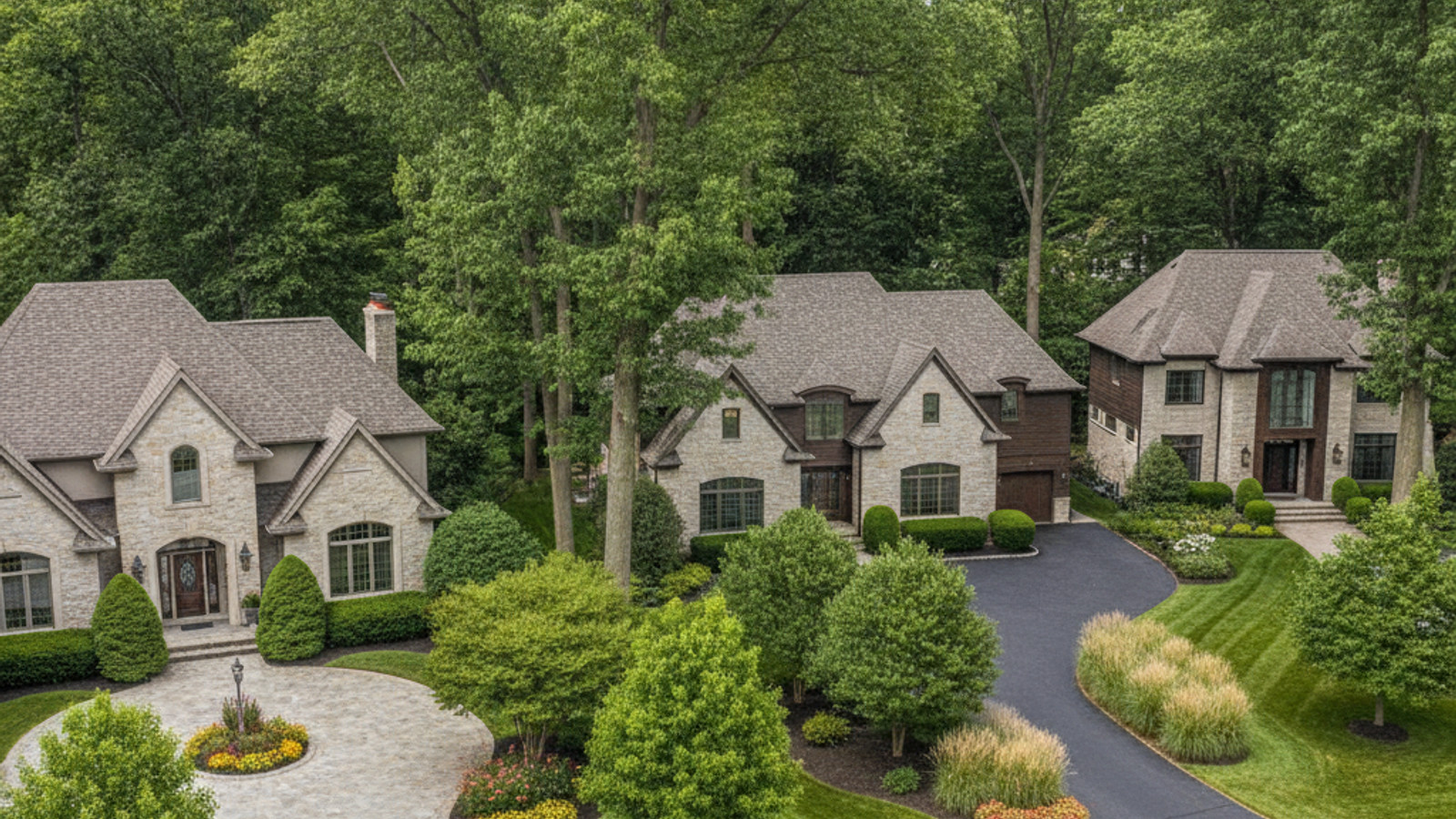
If you are looking to buy a home or sell a property in Troy right now, the first thing you need to know is the temperature of the market. As of February 16, 2026, the Troy MI housing market remains a distinct Seller’s Market.
The dynamic here is pretty straightforward: we have high demand meeting persistently low inventory. Buyers are active and looking to get into the area for its proximity to Detroit employment hubs and its reputation for long-term value stability, but there simply aren’t enough “For Sale” signs up to satisfy everyone. While we are seeing a tiny bit of improvement in listing numbers compared to this time last year, the competition remains stiff.
If you look at the raw data, the market is undeniably hot. Most industry metrics give Troy a high competitiveness score (often hovering around 80 on the Redfin scale). For pricing, we are seeing the median sale price hover between $420,000 and $450,000, depending on the specific neighborhood and condition of the home.
Current Home Prices & Market Trends
Let’s dig a little deeper into what those prices actually look like. Over the last 12 to 24 months, we have seen a trajectory of steady growth. We haven’t seen the chaotic spikes of a few years ago, but the upward trend is consistent.
Currently, the median sale price sits right around $434,000, which is roughly an 8% increase year-over-year. For buyers, this means you need to be realistic about your budget. For long-term homeowners, this is great news regarding your equity position. The price per square foot is generally landing in the $200–$230 range.
One specific trend to watch is the difference between list price and sale price. Sellers in 2026 are feeling ambitious with their initial listing numbers. However, the data shows that closed sales are happening at or very slightly above the asking price—typically 99% to 100%. This suggests that while buyers are willing to pay market value, they aren’t drastically overpaying unless a property is truly turnkey.
Inventory Levels and Days on Market
So, how fast do you need to move? The short answer is: fast.
“Days on Market” (DOM) is a key indicator of market speed. Right now, homes in Troy are averaging roughly 26–33 days from listing to pending. If a home is priced correctly and presents well, it is not uncommon to see it go under contract in under a week.
The biggest hurdle right now is supply. For a city with a population of around 87,000 people, active listings are incredibly scarce—often dipping below 200 active homes at any given time. We are currently sitting at roughly 1.5 to 3 months of supply. In the real estate world, anything under six months is considered seller territory. While February is seasonally a bit slower, we expect inventory to tick up slightly as we head toward the spring market, but likely not enough to dampen the competition.
Market Breakdown by Property Type
Not all homes move at the same speed. The market feels different depending on whether you are looking for a starter condo or a luxury estate.
Single-Family Homes: This is the most competitive segment of the market. The classic Troy colonials and ranch-style homes in the $400,000 to $550,000 range are the “sweet spot” for buyers. If you are looking for homes for sale in Troy MI in this bracket, expect to see competition.
Condos & Townhomes: For first-time buyers or those looking to downsize, condos offer a more accessible entry point. We generally see these trading in the $200,000 to $300,000 range. Demand here is high because it represents one of the few ways to get into the city for under $350k.
Luxury Segment: Once you cross the $700,000 mark, the pace slows down slightly. These larger homes tend to sit on the market a little longer, but updated properties in this bracket still move efficiently.
Troy vs. Nearby Cities: Where Should You Buy?
If you are relocating to the area, you might be weighing Troy against its neighbors. Here is a quick look at the trade-offs involved when comparing the local market to nearby communities.
Troy vs. Rochester Hills: Rochester Hills generally offers a more nature-oriented vibe with more trails and rolling topography. However, that often comes with a higher price tag—median prices there can push $450,000–$500,000—and depending on the specific district, your tax situation may differ.
Troy vs. Royal Oak: Royal Oak provides a distinct urban, walkable lifestyle that appeals to many. The trade-off is usually space. For a median price of $320,000–$350,000, you are likely getting a smaller home on a much smaller lot compared to what you would find in Troy.
Troy vs. Sterling Heights: If budget is the primary driver, Sterling Heights is generally more affordable. However, buyers often choose Troy over Sterling Heights for the specific high-end amenities and the central location along the Big Beaver corridor.
What is Driving Demand in Troy?
Why do prices remain resilient here? It usually comes down to three main factors: location, education, and amenities.
First, there is the “Golden Corridor.” Living in Troy puts you minutes away from major automotive and tech headquarters along Big Beaver Road. The commute convenience drives significant demand. Second, the Troy School District is a massive draw. The district’s reputation for educational excellence makes property here highly desirable for households prioritizing academic access, which in turn acts as a safety net for property values.
Finally, the local amenities are top-tier. Between the Somerset Collection for luxury retail and an extensive city park system, the quality of life is high. When you combine this with relatively low crime rates compared to the broader metro area, the demand makes sense.
Troy Real Estate Forecast for 2026
Looking ahead to the rest of 2026, we don’t see the market flipping upside down.
We anticipate modest appreciation of 2–4% to continue throughout the year. The wildcard, as always, is mortgage rates. If rates stabilize or drop later in 2026, buyer competition will likely intensify, pushing prices toward the higher end of our forecast.
Inventory is expected to see a slight seasonal increase, but likely not enough to shift the leverage back to buyers. The forecast remains a continued Seller’s Market.
Strategies for Buyers and Sellers
Navigating this market requires a plan. Here is how to approach it depending on which side of the table you are on.
For Buyers
- Get fully pre-approved: In 2026, a simple pre-qualification letter isn’t enough to stand out in a multiple-offer situation.
- Be ready to move: If a good listing drops on Thursday, try to see it by Friday.
- Bridge the gap: In very competitive scenarios, be prepared to discuss appraisal gaps with your agent.
For Sellers
- Price it right: Even in a hot market, overpricing leads to stagnation. Buyers are savvy and will ignore a listing that feels gouged.
- Curb appeal matters: You can get multiple offers if the home looks turnkey.
- Review all terms: The highest offer isn’t always the best; look for solid financing and flexible occupancy terms.
Frequently Asked Questions
Is Troy, MI a buyer’s or seller’s market in 2026?
It is currently a Seller’s Market. There are more buyers looking for homes than there are properties available, which keeps prices firm and gives sellers leverage in negotiations.
What is the average house price in Troy, MI?
As of early 2026, the median sale price is hovering around $434,000. However, prices vary significantly based on square footage, with entry-level condos starting near $200k and luxury homes exceeding $700k.
Are home prices dropping in Troy, MI?
No, home prices are not dropping. They are seeing steady appreciation, roughly 8% year-over-year. While the explosive growth of previous years has cooled, the trend is still upward.
How fast do homes sell in Troy, MI?
Homes are selling quickly, typically spending about 26 to 33 days on the market. desirable homes that are priced correctly often go pending in under a week.
Why is housing inventory so low in Troy?
Inventory is low due to a “lock-in” effect where current owners are hesitant to sell and give up their lower mortgage rates from previous years. Additionally, Troy is largely built-out, meaning there is very little vacant land available for new construction to add to the supply.